Tengri, Umay, sacred springs and mazars: understand Kyrgyzstan's pre-Islamic spirituality and visit its holy places respectfully with a private guide.

Our tours
See allKyrgyzstan is a Muslim country, yet beneath that layer lies something far older: a worldview in which the sky, a mountain, a spring or a lone juniper tree is alive and deserves respect. Scholars call it Tengrism. You will not find it in a museum display case. You see it in the strips of cloth fluttering on roadside branches, the coins left at a spring, the quiet words spoken before a fire is lit in a yurt.
At the heart of this belief stands Tengri, the Eternal Blue Sky — less a personal god than a cosmic order that everything living answers to. Beside him is Umay, the mother figure who protects women, children and the hearth; families still invoke her when a baby is born. The land and the water have their own spirits, known as jer-suu, while the ancestors, the arbak, watch over the clan. That is why locals avoid spitting into rivers, felling trees without need or stepping on a yurt's threshold.
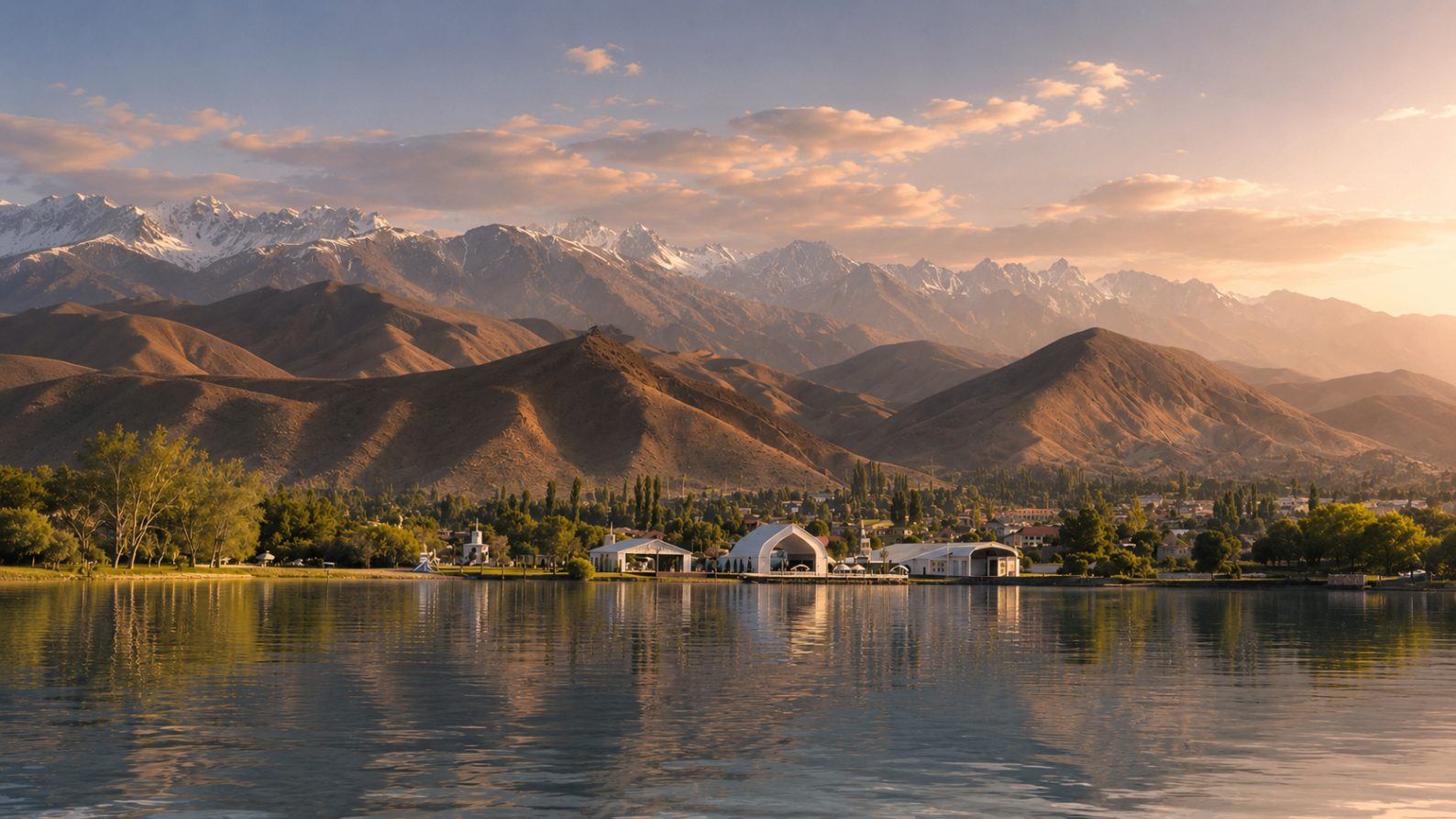
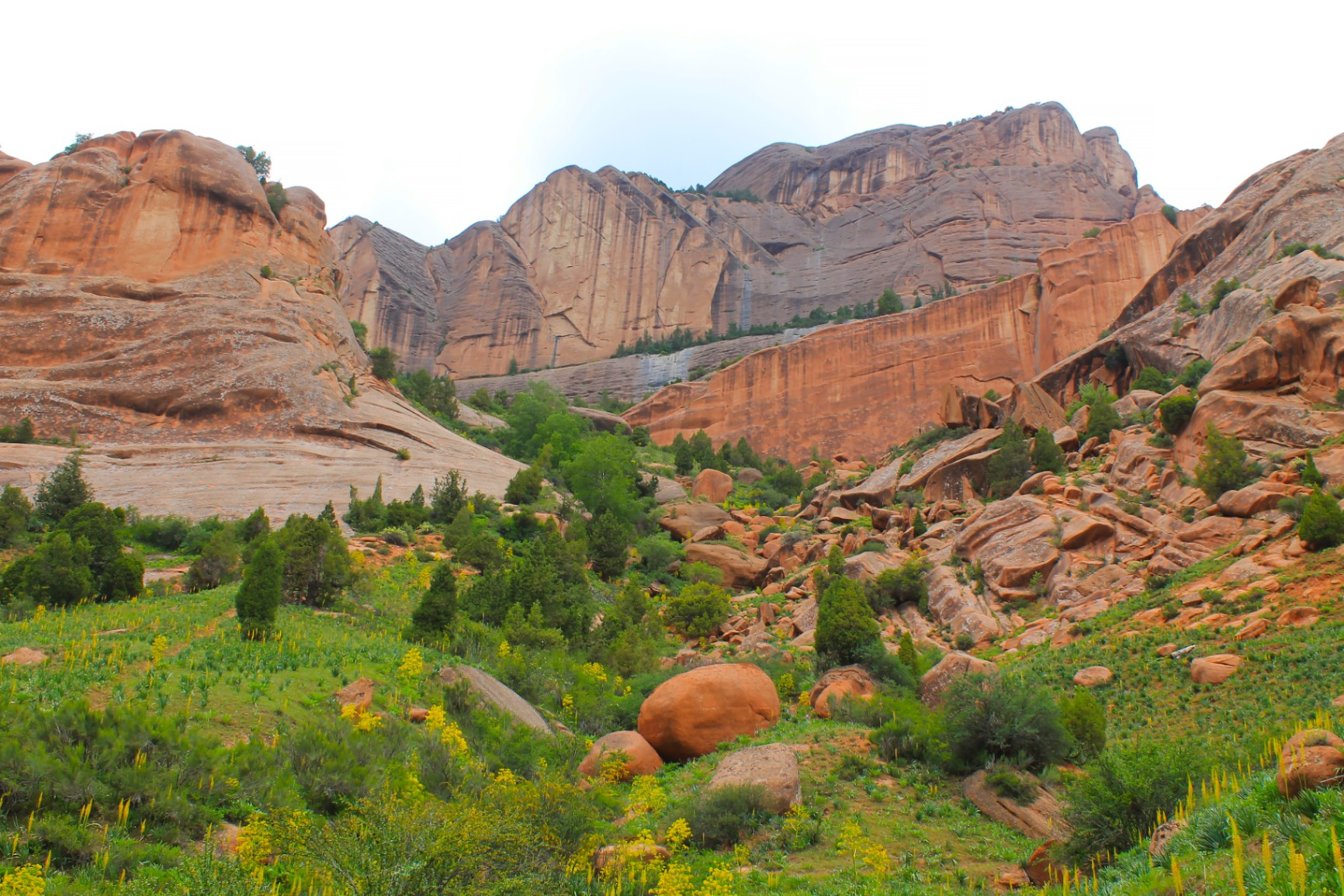
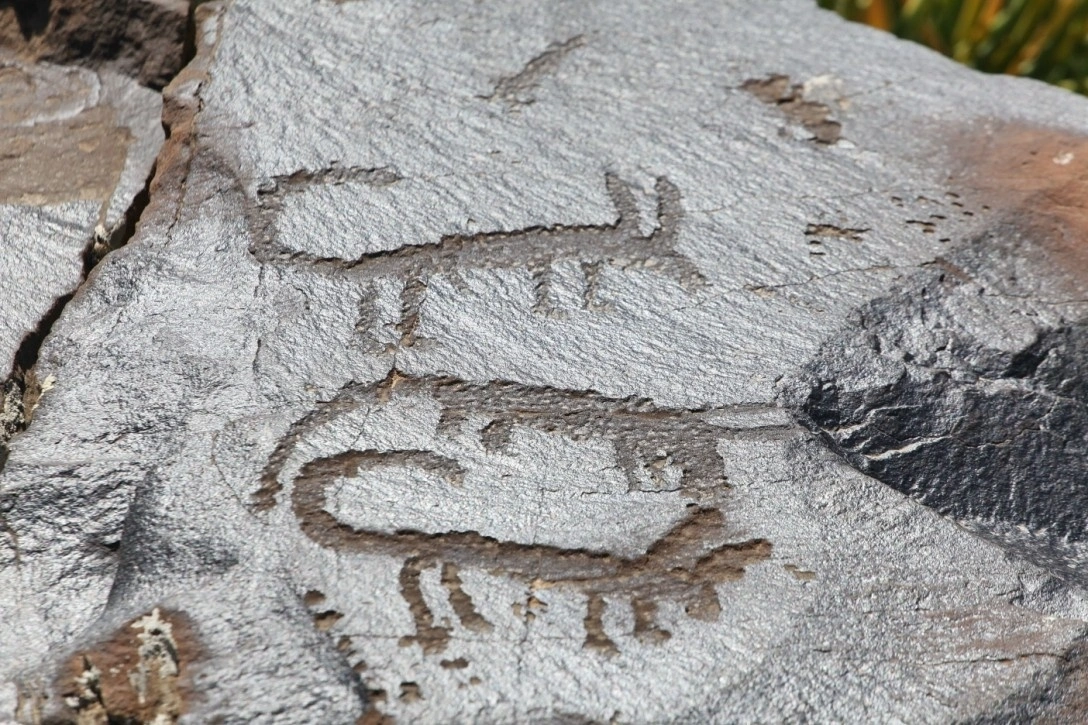
A mazar is a place of veneration. Sometimes it is the grave of a revered figure; just as often it is a spring, a rock, a cave or a tree believed to hold special power. The country's best-known holy site is Sulaiman-Too in Osh, where Muslim pilgrimage paths wind past stones polished smooth by countless hands — see our story on Osh's sacred mountain and UNESCO site. On Issyk-Kul's south shore, people travel to the springs of Manjyly-Ata, while on the north shore many locals regard the boulder field of Saka rock art as a place of power; our guide to the Cholpon-Ata petroglyphs explains why.
There is no need to tie a ribbon yourself. It represents a personal wish, and doing it for a photo misses the point entirely.
Many sacred places appear on no map, and their stories live only in the memory of caretakers and neighbouring villages. A knowledgeable guide knows at which spring you wash your face, which shrine you approach on foot, and on which days families hold private sacrifices when outsiders should stay away. He also translates for the caretaker — and a "sight" suddenly becomes a story about a lineage, a drought, a healing or an oath.
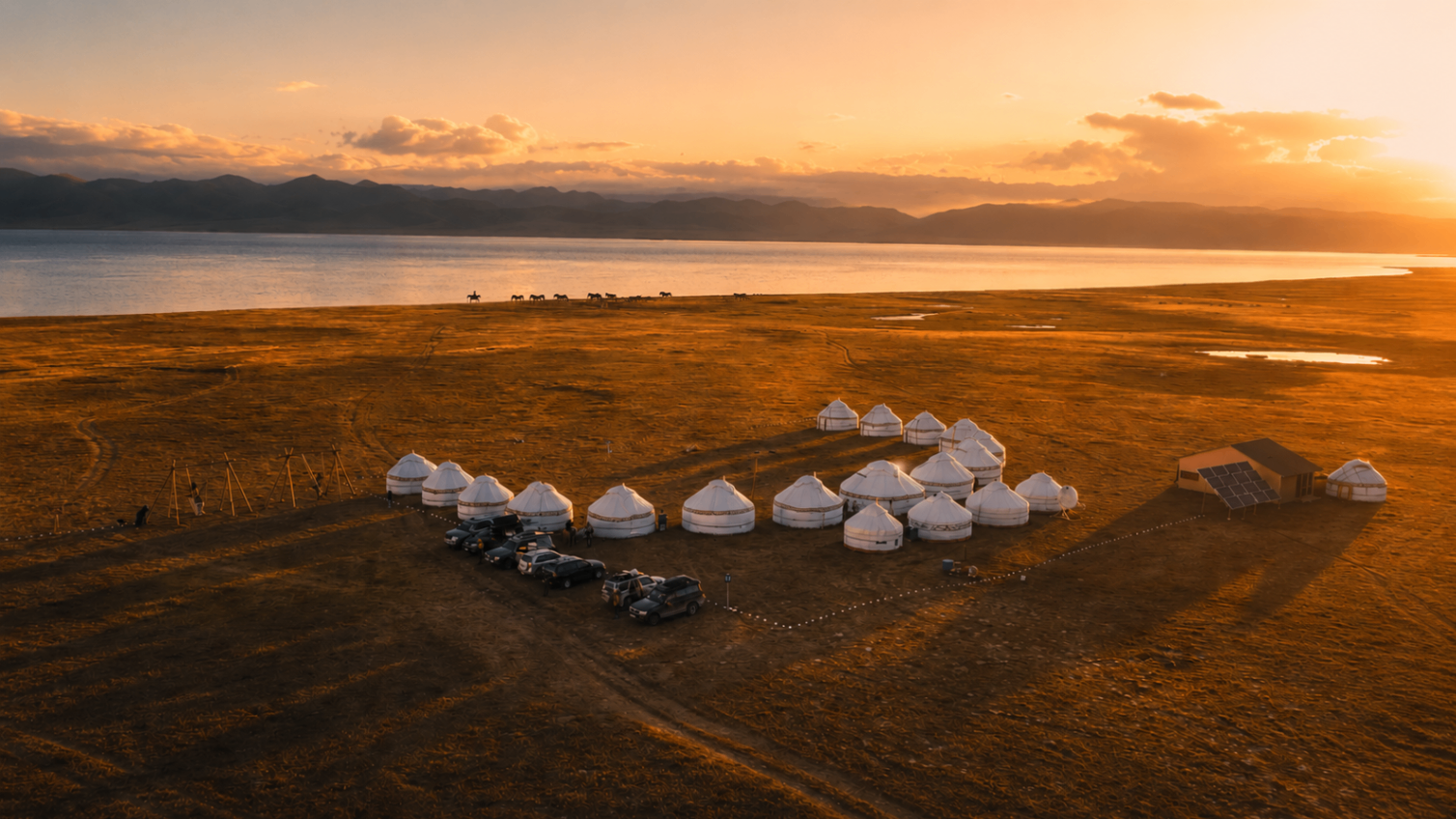
At xtravel we weave these places into a journey gently, never turning them into an attraction: a morning at a spring, lunch with a local family, an evening in a yurt listening to stories of the ancestors. That rhythm shapes our Way of the Nomad cultural immersion tour, and the shrines of both shores fit naturally into a six-day journey around Issyk-Kul. If you would like a private itinerary built around history and spiritual traditions, get in touch with our team — we will pair you with an ethnographer guide and a pace that leaves time to simply sit by the spring.
Want to see it with your own eyes?
We'll build a route around your dates, pace and budget — guide, transfers and stays included. We reply within a day.
Popular tours
You may also like