Sulaiman-Too in Osh: shrines, a museum inside the rock, petroglyphs and pilgrim paths. A private southern Kyrgyzstan trip with a historian guide.
Our tours
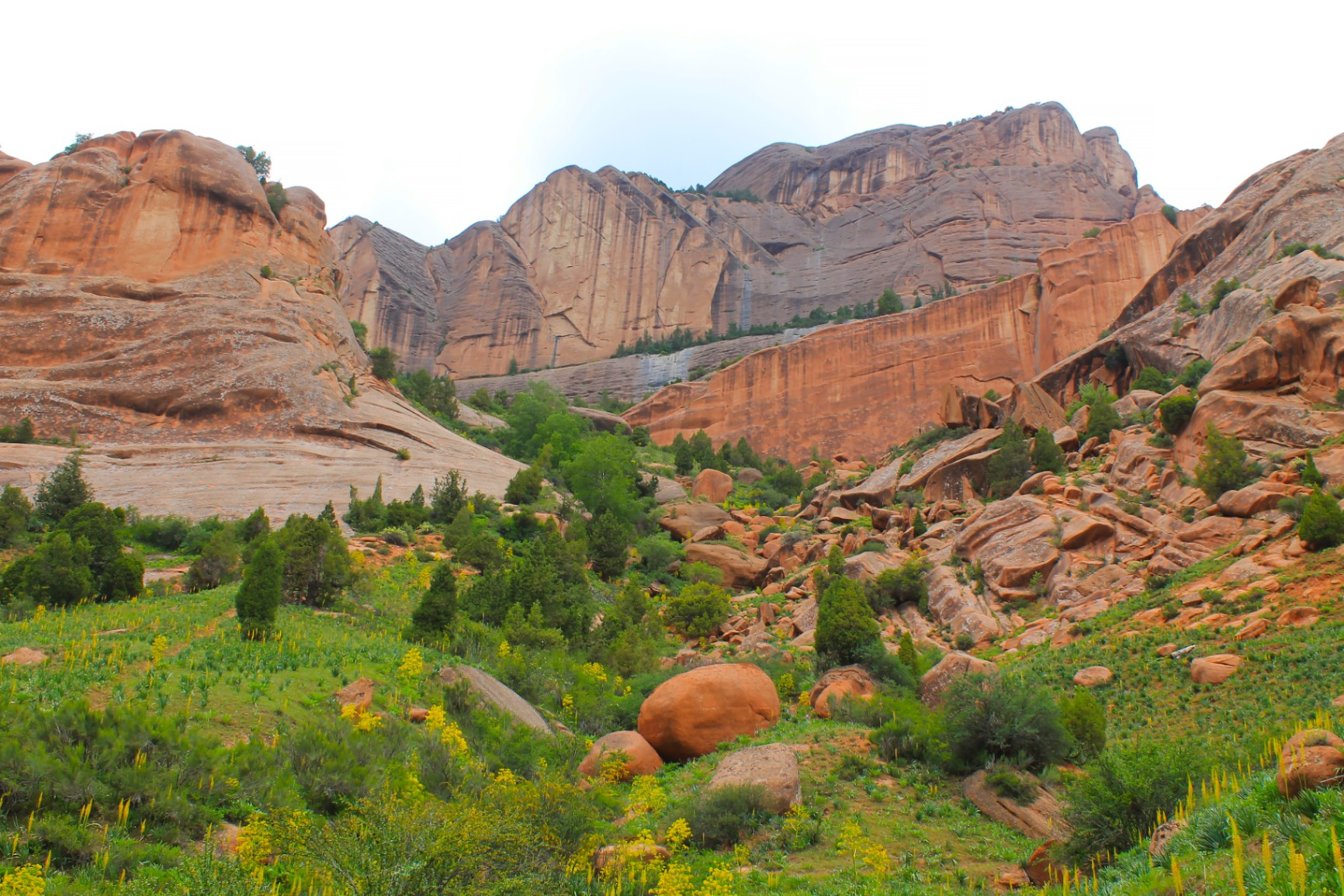
See allOsh is among the oldest cities in Central Asia, and the best way to understand it is from above. Sulaiman-Too, a five-peaked limestone ridge, rises right in the middle of town, looking down on rooftops, the sprawling Jayma Bazaar and the Ak-Buura river valley. For centuries it guided caravans across the Fergana Valley and drew worshippers — first of pre-Islamic cults, later Muslim pilgrims. In 2009 it became Kyrgyzstan's first UNESCO World Heritage Site, recognised as a sacred mountain where veneration has continued unbroken for millennia.
The slopes hold dozens of sacred places: small caves, springs and rocks worn glassy by generations of hands. People still come with very specific wishes — for health, for children, for a safe journey. Most of the locals you pass on the path are pilgrims rather than sightseers, and that is what sets Sulaiman-Too apart from a typical monument: it is a living site. On the summit stands a small mosque known as Babur's House; legend says the young Babur, later founder of the Mughal Empire, kept a retreat here. Today's building is a reconstruction, but the view from its terrace is the finest in Osh.
One of the more unusual stops is the historical and archaeological museum built into a natural cave on the mountainside. Its glass-and-concrete façade seems set straight into the stone. Inside you'll find finds from excavations around Osh, Bronze Age objects, Silk Road artefacts and ethnography of both nomadic and settled Fergana cultures. The halls are compact — about an hour with a good storyteller, never long enough to tire.
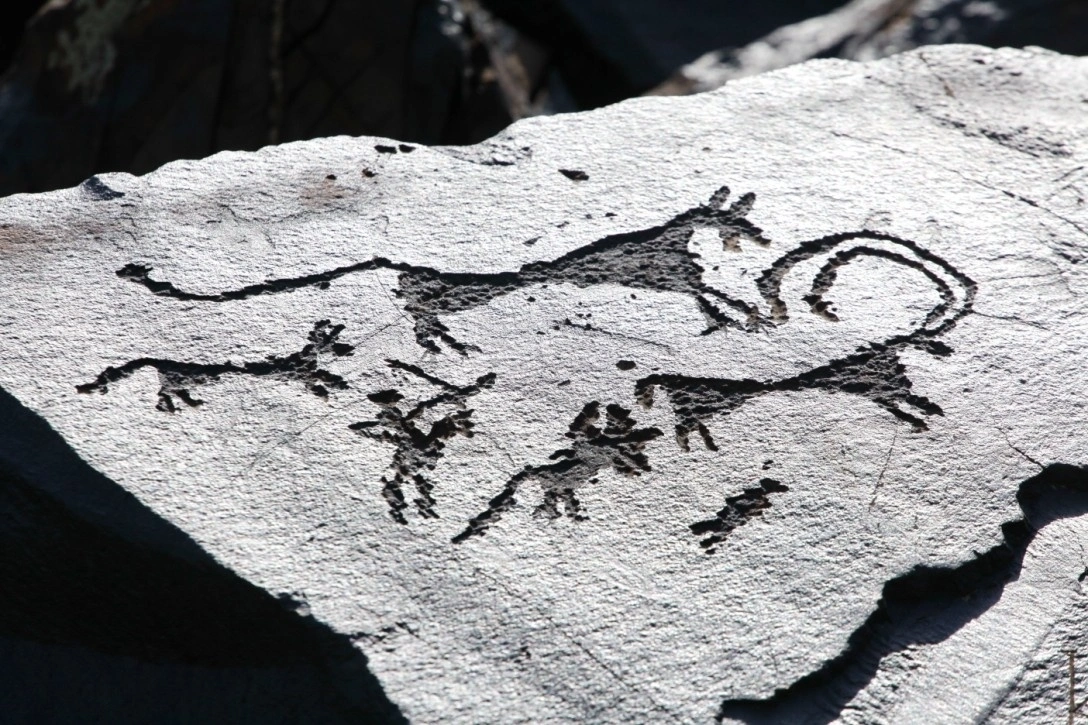
The rocks are scattered with petroglyphs — animals, human figures, solar symbols and geometric marks. Many are shallow and easy to miss; they come alive only in low, raking light early in the morning or before sunset. If you have already seen the Cholpon-Ata petroglyphs on Lake Issyk-Kul, the contrast is fascinating: in the south the imagery is different and far more entwined with places of worship.
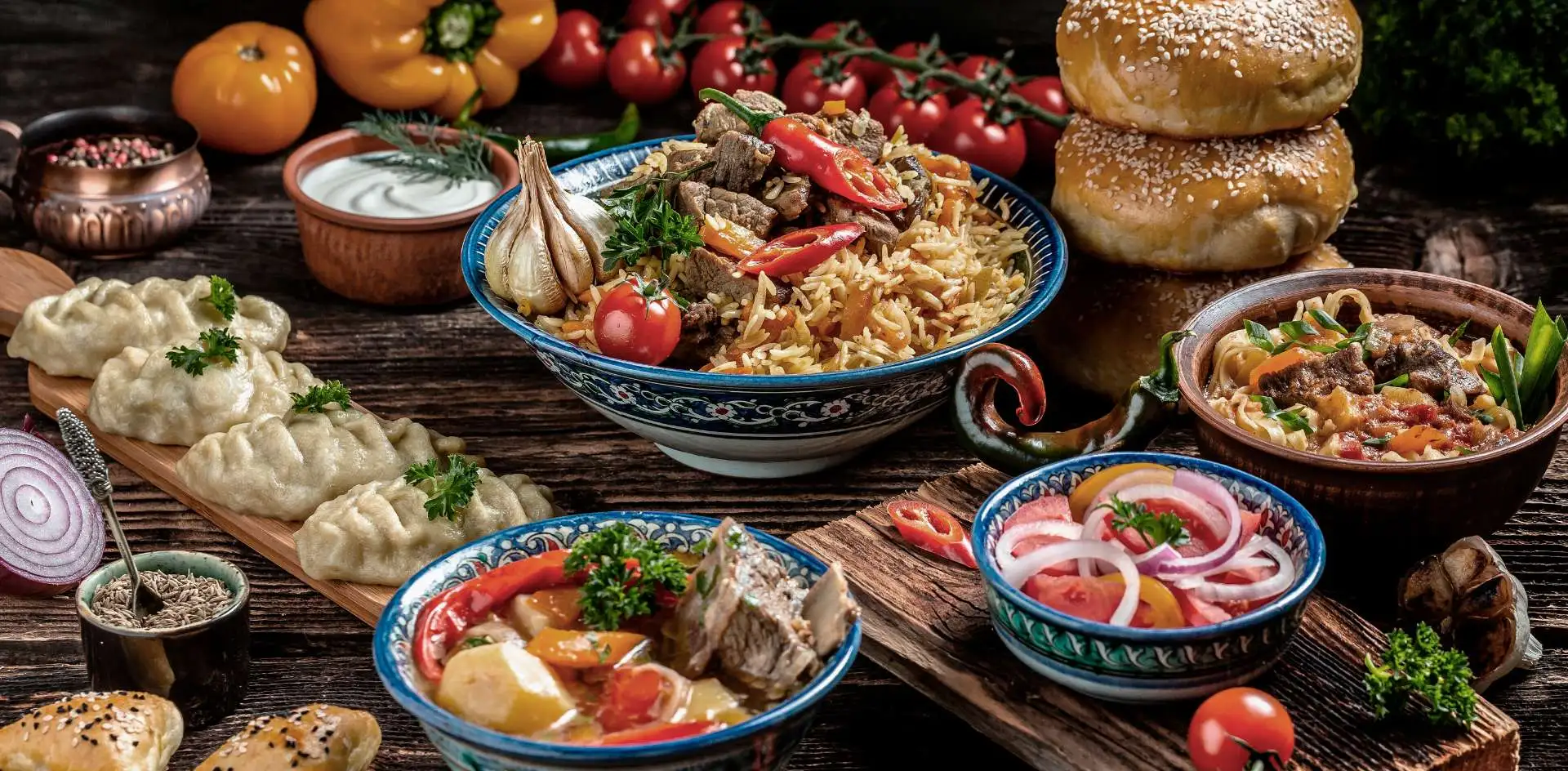
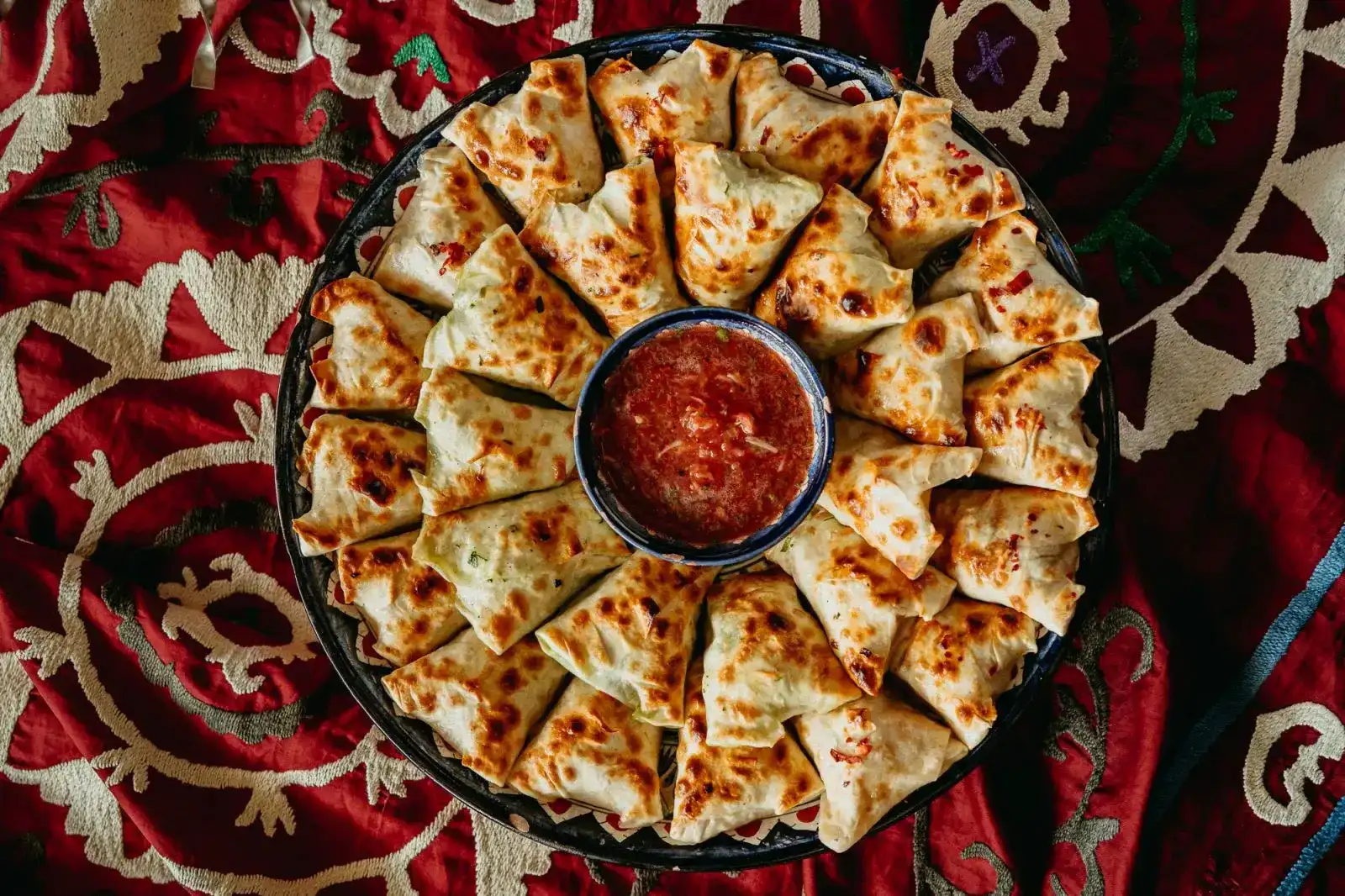
We climb early, while it is cool and quiet, with a historian who knows not just the dates but the living legends attached to each grotto — and the etiquette: where photos are fine and where it is better simply to stand still for a moment. After the museum comes an unhurried lunch of southern cooking: Osh-style plov, tandoor samsa, green tea under the plane trees. The afternoon belongs to Jayma Bazaar, its spice stalls and hand-forged knives; the evening to the best hotel in town.
Osh is rarely the end of the road. From here it is easy to continue to the walnut forests of Arslanbob, to Uzgen with its Karakhanid minaret and mausoleums, or up into the Alay mountains. Paired with the north — say, a day at the Burana Tower in the Chuy Valley — it becomes a complete Silk Road story on both sides of the Tien Shan. Spring and autumn are ideal; mild weather lasts into November, and now is a good time to plan for 2027.
Browse our travel gallery for a feel of our journeys, then get in touch with our team — we'll design a private southern Kyrgyzstan itinerary around your dates and pace.
Want to see it with your own eyes?
We'll build a route around your dates, pace and budget — guide, transfers and stays included. We reply within a day.
Popular tours
You may also like