The story behind the elechek and ak-kalpak: rituals, symbolism, where to see Kyrgyz dress today, private costume photo shoots and buying a handmade kalpak.
Our tours
See allIn Kyrgyzstan, what you wear on your head says more than a business card. A tall white felt kalpak on a Bishkek street signals a man proud of his roots, while a snow-white turban at a wedding tells you the woman beneath it is married and respected by her family. These two pieces — the men's ak-kalpak and the women's elechek — are the perfect way into the story of nomadic dress.
The ak-kalpak is made of fine white felt, with a high crown and split brims that can be turned up against the sun or folded down against the wind. It is traditionally cut from four panels, and its embroidery, tassels and black trim once revealed the wearer's age, status and home region. A kalpak is never placed on the floor or tossed aside — it is treated almost as a personal relic. In 2019 the craft of making and wearing the ak-kalpak was inscribed on UNESCO's Representative List of the Intangible Cultural Heritage, and every 5 March the country celebrates Kalpak Day, when ministers, students and visitors alike put one on.

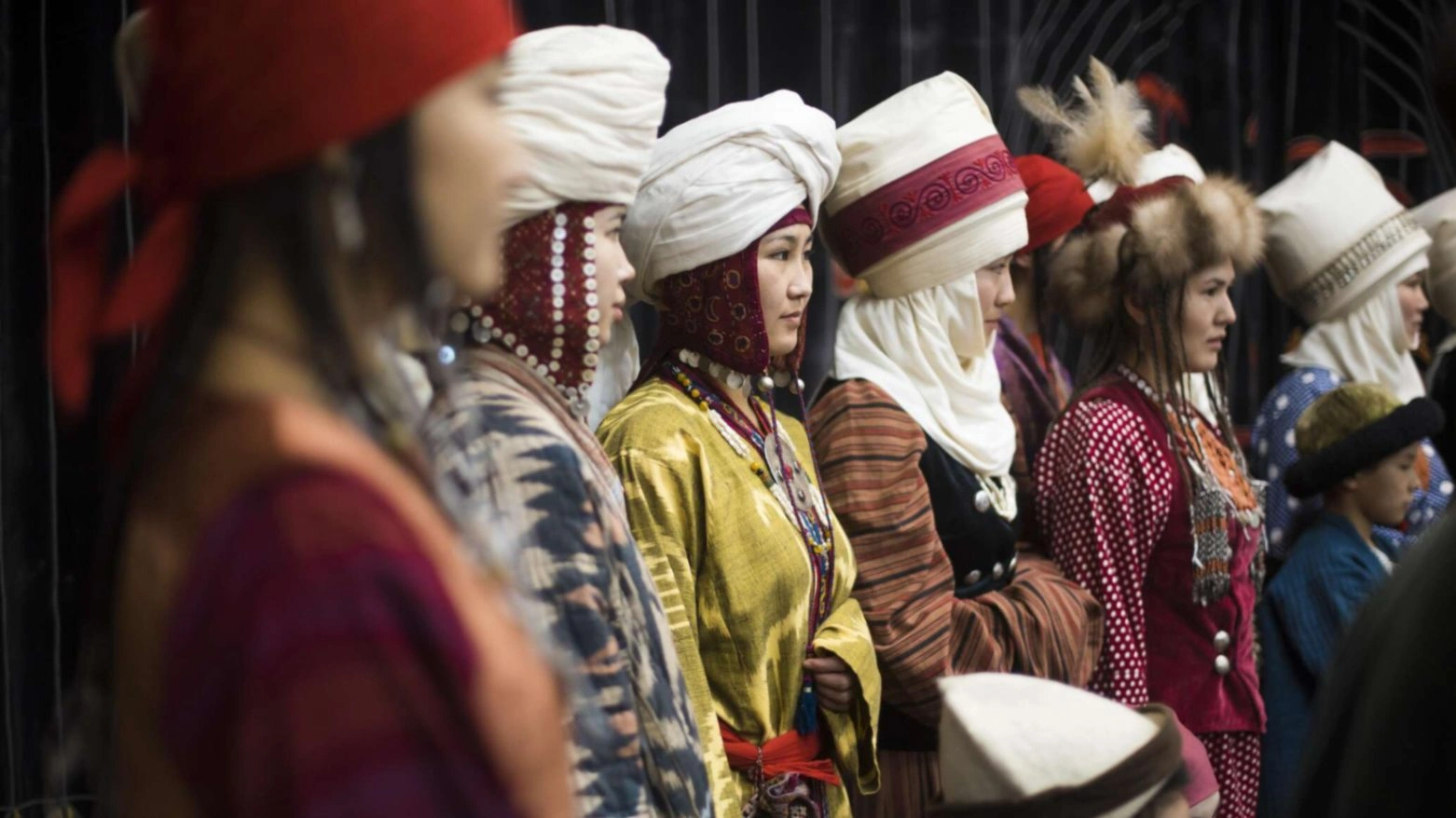
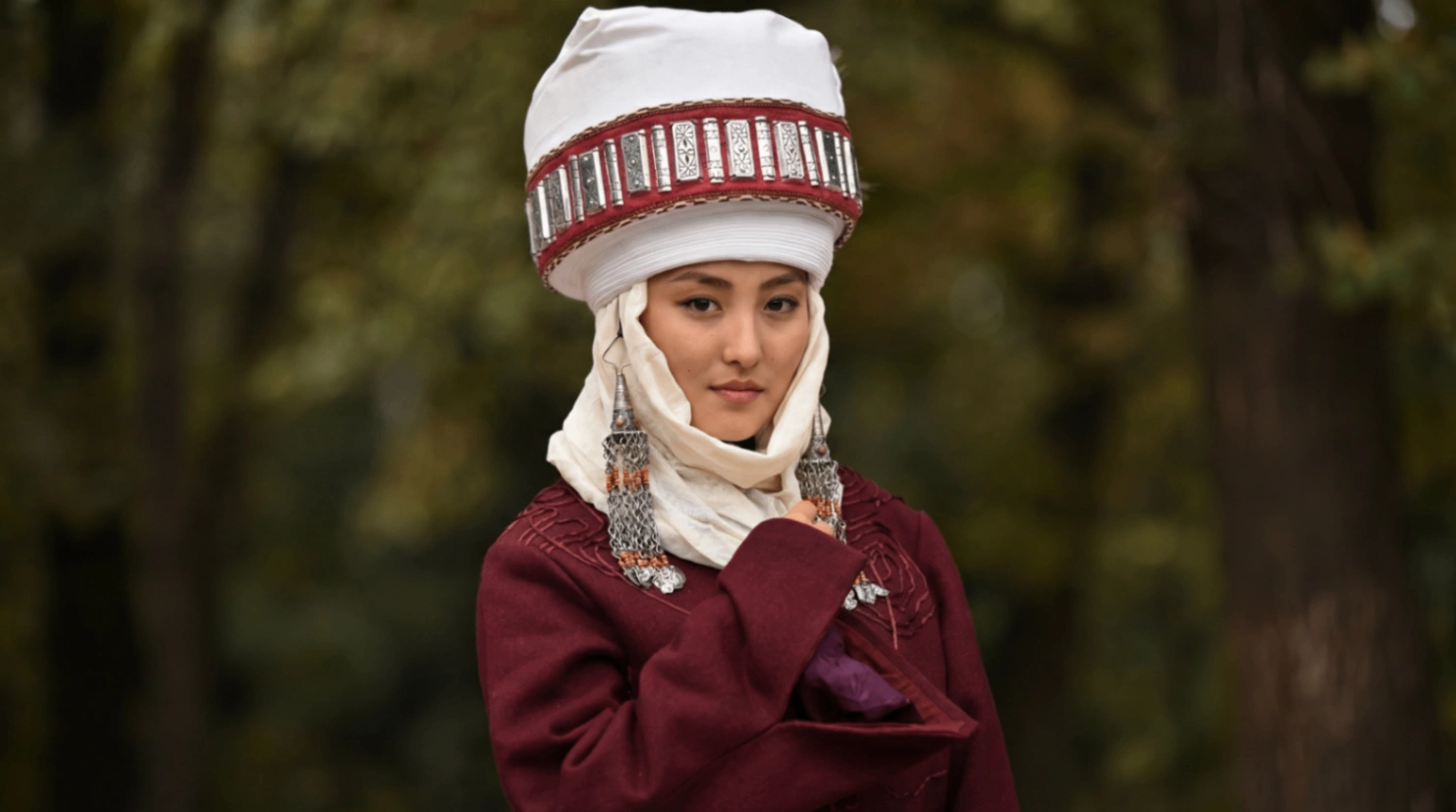
The elechek is a voluminous headdress made from a long length of white cloth wound over a cap and an underveil that covers the neck and shoulders. A bride first wears it as she enters her new family, and from then on it marks her new place in the clan; the older and more esteemed the woman, the more imposing the turban can be. Festive versions were finished with embroidery, silver and carnelian — the jewellery side of the story is covered in our piece on nomad silver and Kyrgyz jewellery traditions.
Today you are most likely to see an elechek at weddings, memorial gatherings and large family celebrations, and a kalpak on village elders and at every national holiday. Meanwhile, young Kyrgyz designers are reinventing the look with felt waistcoats, modern chapan coats and pared-back kalpaks for city life. The motifs echo those of felt carpets, so if the visual language intrigues you, read our feature on shyrdak felt and the women artisans of Kochkor.
Bishkek — the National History Museum and applied-arts exhibitions hold historic elechek, chapan robes and kalpaks.
Festivals — Kalpak Day on 5 March and Nooruz on 21 March, both falling in early spring 2027 and ideal anchors for a cultural itinerary.
Villages and summer pastures — around Naryn, Son-Kul and Issyk-Kul, traditional dress is still part of everyday life, especially among elders.
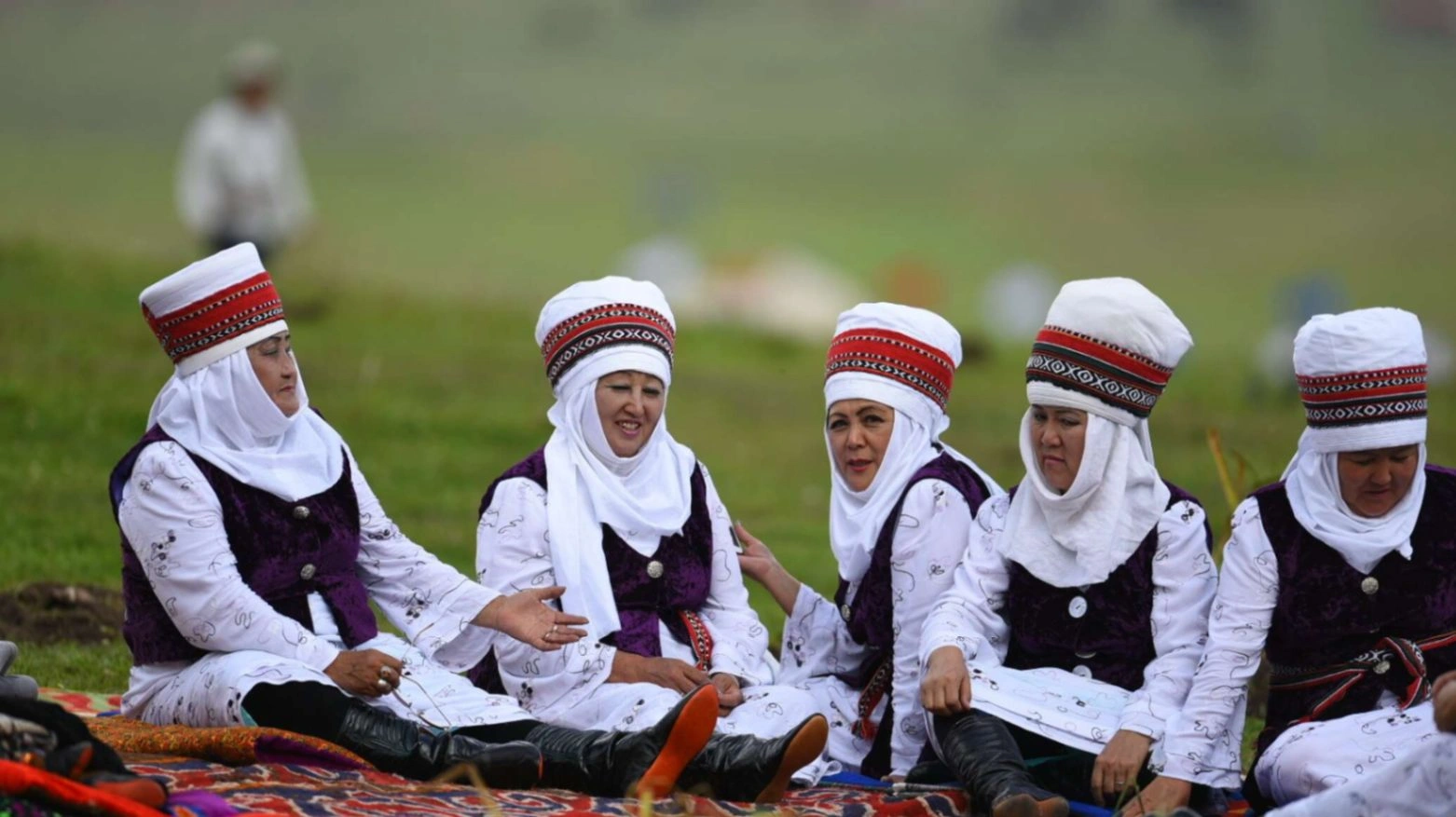
For xtravel guests we arrange private photo sessions in authentic dress — inside a yurt, on a lakeshore or against the peaks — with a photographer and a cultural host who ties the elechek correctly and explains every detail. It fits naturally into The Way of the Nomad, our immersion in Kyrgyz culture, or the longer VIP Kyrgyzstan journey with yurts, crafts and horses. Instead of a market souvenir, you can also commission a kalpak from a master maker, choose the felt and embroidery, watch it take shape and take home something you will actually wear. To build this into your dates, simply get in touch with our team.
Want to see it with your own eyes?
We'll build a route around your dates, pace and budget — guide, transfers and stays included. We reply within a day.
Popular tours
You may also like