White sainfoin honey, yak wool, felt, the ak-kalpak and Osh dried fruit: the Kyrgyzstan gifts worth packing, and where to buy the real thing.
Our tours
See allEvery gift shop in Bishkek sells fridge magnets and bowls stamped with "Kyrgyzstan", but the things worth bringing home look different. They come from a specific place: a high meadow where bees worked the summer bloom, a pasture where yaks spend the winter, a workshop in Kochkor where women still roll felt by hand. Here is a short guide to what actually earns its space in your suitcase.
Kyrgyz white honey comes mostly from sainfoin, a legume that flowers on mountain slopes in early summer. Once it crystallises it turns almost white, thick and creamy, with a gentle sweetness that never feels cloying. A good jar doesn't separate and doesn't smell of caramel; if it's suspiciously runny or cheap, it has probably been heated or blended. Buy straight from beekeepers around Issyk-Kul or in the Chui and Talas valleys, or from trusted shops that let you taste first.
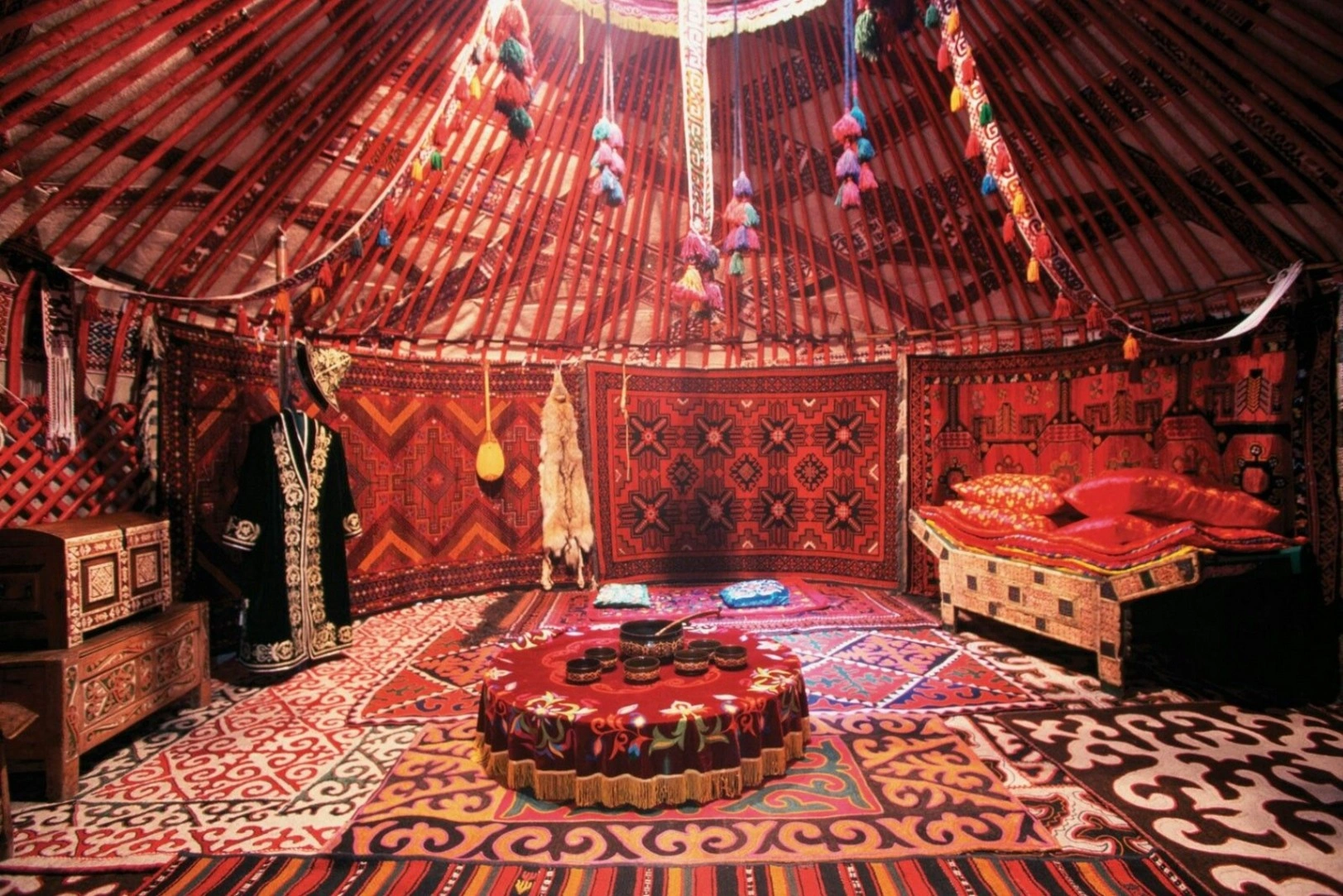
Yak down is one of Central Asia's most underrated fibres: warm, light and itch-free, with a feel close to cashmere. It goes into scarves, hats and throws, while camel wool becomes socks, vests and blankets. Felt is a world of its own, from the patterned shyrdak and ala-kiyiz rugs to slippers, bags and homeware. A proper shyrdak takes weeks to make; the stitching is tight and even and the colours don't run. If you'd like to see the craft up close, read about our private felt-making workshops in Kochkor and on Issyk-Kul, where you can make your own rug alongside a master.
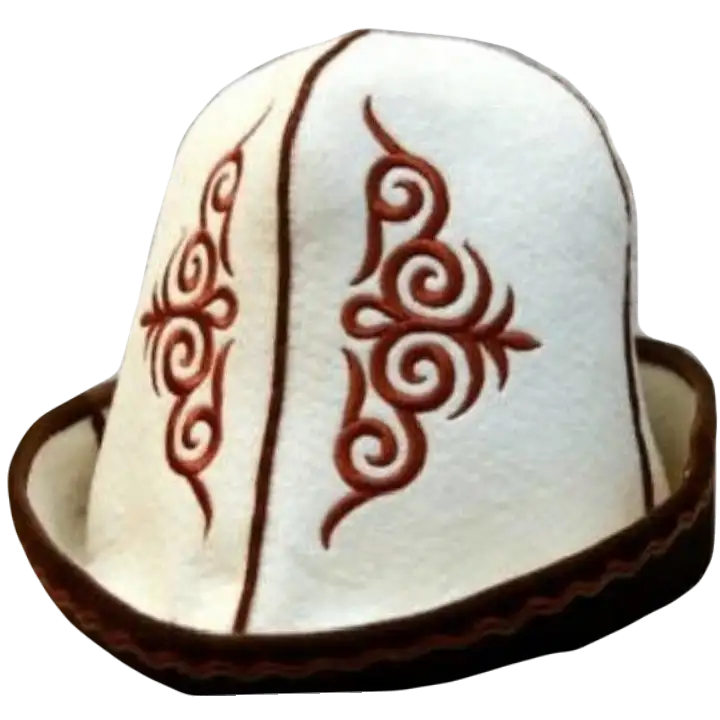
The white felt kalpak is the national symbol, with its own holiday on 5 March. Its embroidery and cut once told people where the wearer came from. A real one keeps its shape and the felt is dense and even. Next to it on the gift list sits nomad silver: bracelets, rings and earrings set with carnelian or coral. Our guide to Kyrgyz silver traditions explains how to tell a maker's piece from mass-cast jewellery.
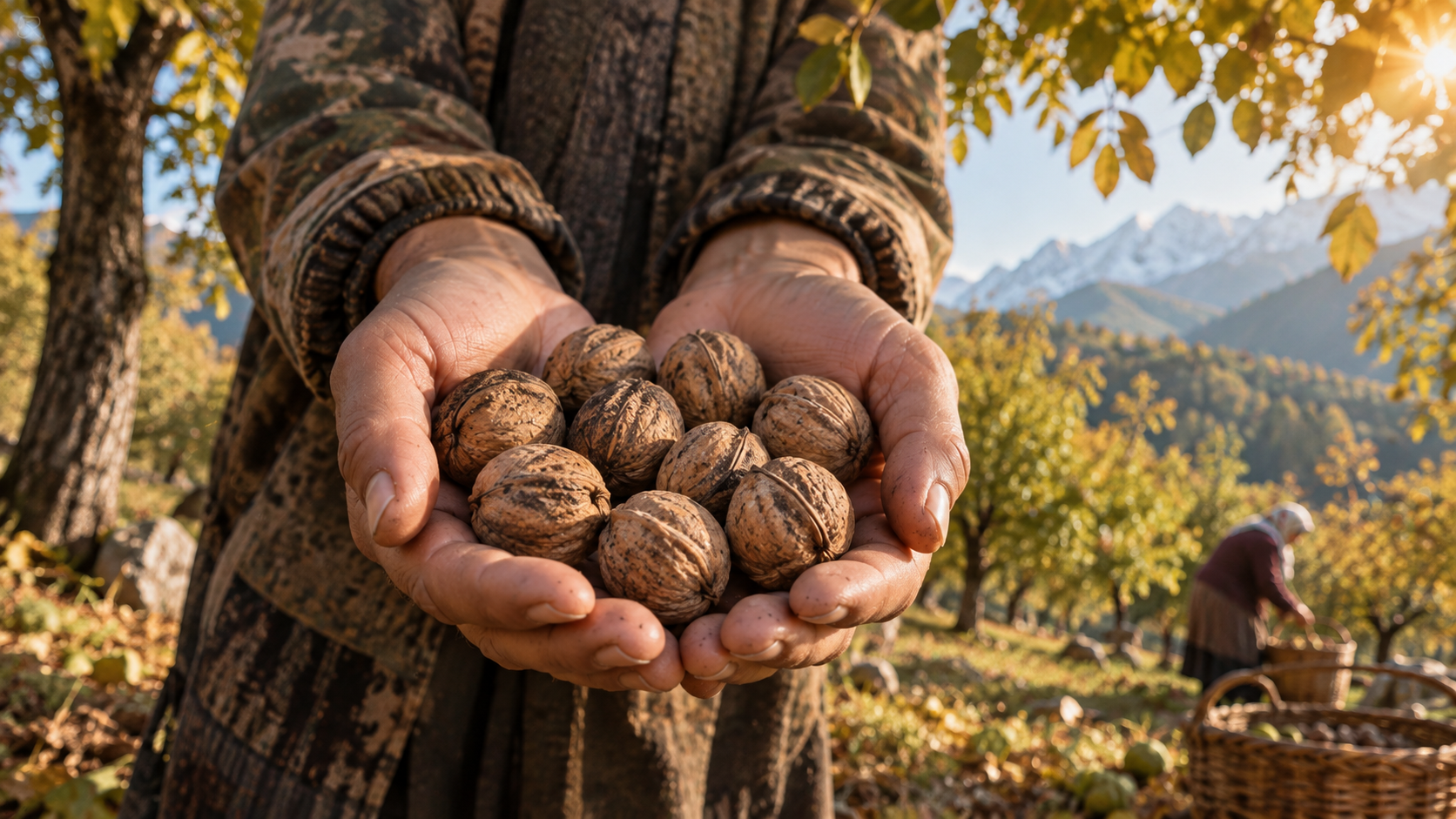
Southern Kyrgyzstan means the orchards of the Fergana Valley and the walnut forests of Arslanbob. Osh's markets sell dried apricots, raisins, this season's walnuts and almonds, which travel well vacuum-packed. Add a bag of mountain herbal tea and some kurut, the salty dried-yoghurt balls nomads carried on the road, and you have a gift that's easy to explain and even easier to finish.
Bishkek's Osh Bazaar and the Jayma Bazaar in Osh are wonderful to wander, but quality varies and haggling is expected. Craft cooperatives, small design studios and family apiaries are the safer bet, because you can see how and from what each piece is made. That's why our itineraries don't leave shopping to the last evening: the VIP Kyrgyzstan tour with yurts, handmade crafts and horses and The Way of the Nomad both build in time for workshops, beekeepers and artisans.
If you're shopping with a purpose, whether for family, business partners or corporate guests, we can arrange a day with a local expert who knows the makers personally, translates, and helps pack or ship bulky items like rugs. Tell us what you have in mind and we'll fit it into your trip.
Want to see it with your own eyes?
We'll build a route around your dates, pace and budget — guide, transfers and stays included. We reply within a day.
Popular tours
You may also like