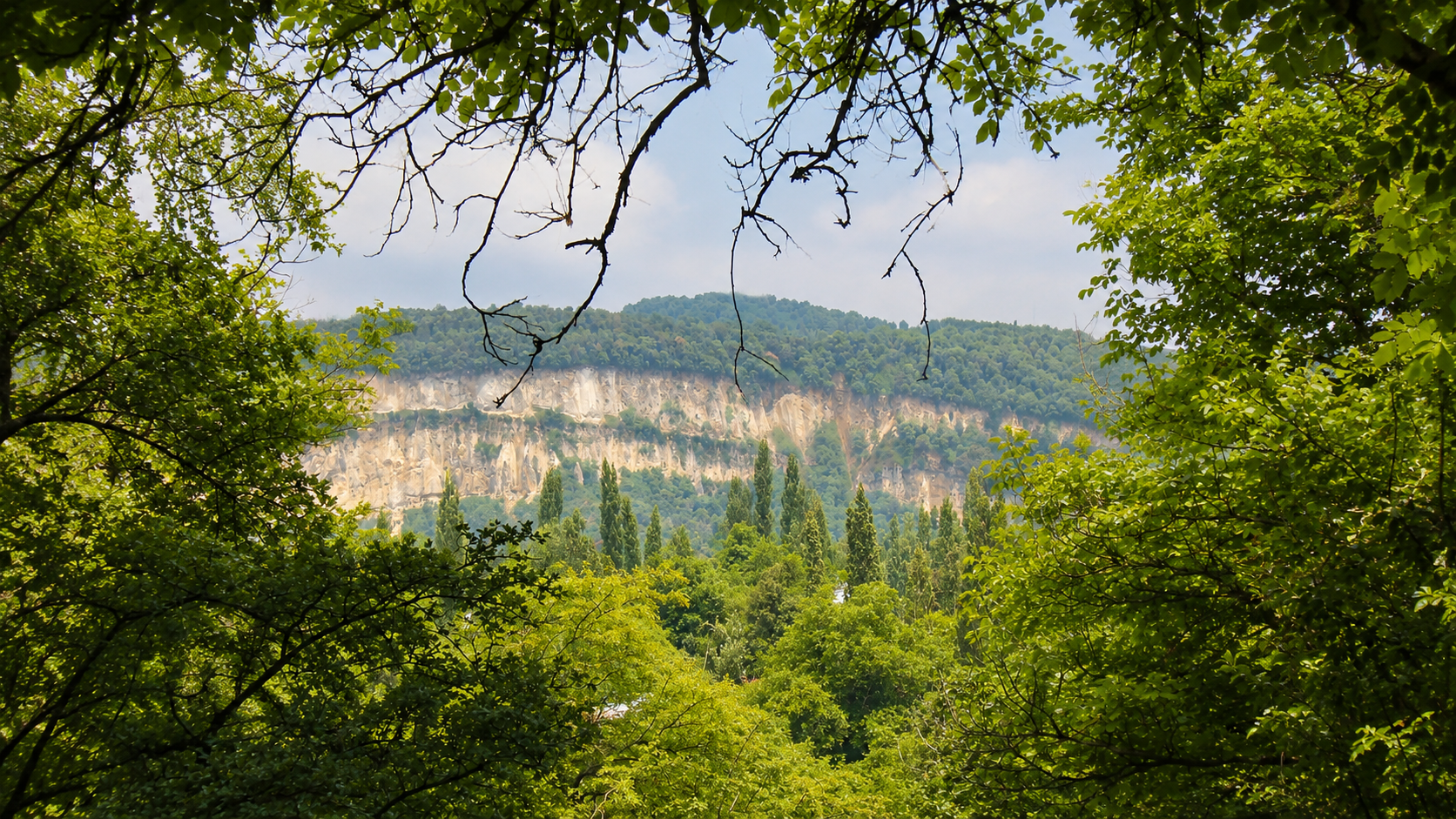
Mailuu-Suu, a former closed Soviet uranium town: its history, the Uranium Legacy Museum and how to pair it with Arslanbob and Sary-Chelek.
Our tours
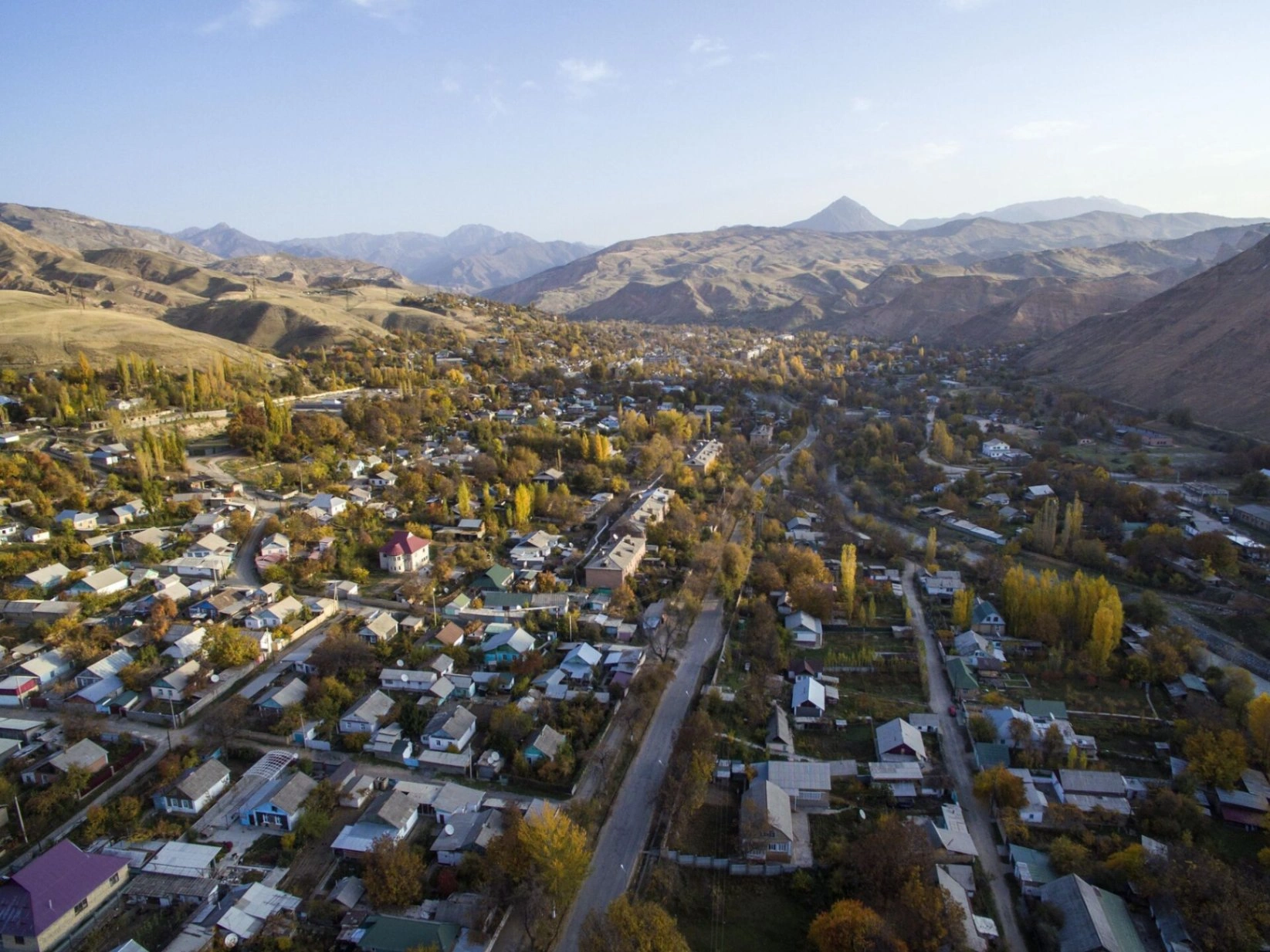
See allMailuu-Suu will never feature on a postcard of Kyrgyzstan, and that is exactly its appeal. This small town in the foothills of Jalal-Abad Region, at about 1,300 metres above the Fergana Valley, spent decades as a closed Soviet site known only by a code name, "Mailbox 200". Oil came first, then uranium, and that story still shapes the place today. For travellers who want more than mountains and lakes, it is one of the most thought-provoking stops in the south.
Oil was discovered here in the early 1900s — the name itself means "oily water" in Kyrgyz. Mineralogist Alexander Fersman described radioactive barite ores in the valley in 1929, and in 1946, as the Soviet nuclear programme gathered pace, the uranium deposit was opened. The Zapadny Mining and Chemical Combine mined and processed ore until 1968, and for that entire period the town was off-limits to outsiders.
The mines left behind 23 tailings sites and 13 waste-rock dumps on the hillsides above town. In 1958 a tailings dam failed and released roughly 600,000 cubic metres of waste into the river — one of the best-known environmental accidents of the Soviet era in Central Asia. Since the 2000s, remediation programmes backed by the World Bank, UNDP and the EBRD have been at work, and Mailuu-Suu has become a case study in how a region comes to terms with its industrial past.
The highlight of any visit is the Museum of Mailuu-Suu History and Kyrgyzstan's Uranium Legacy, opened in June 2022 with support from the European Union, the OSCE and UNDP. It traces the rise of the mining town, the people who worked at the combine, the impact on health and nature, and the ongoing clean-up. An interactive corner lets residents record their own memories, so the museum feels less like an archive and more like the town speaking for itself.

The town itself is quiet: Soviet-era blocks, a busy bazaar, surprisingly green slopes. We encourage guests to skip the "dark tourism" clichés — more than 25,000 people live here. Tailings sites and dumps are not part of the visit; a local guide leads the walk, knows where the boundaries lie and helps you talk to residents with tact.
The town sits conveniently between Jalal-Abad's two great natural highlights, so it works perfectly as a half-day stop on a transfer. A classic sequence: a few days in the walnut forests of Arslanbob, then Mailuu-Suu with its museum and a town walk, then on to the mountain lakes covered in our guide to Sary-Chelek in summer. The contrast — wild nature, industrial history, wild nature again — is what makes the route memorable.
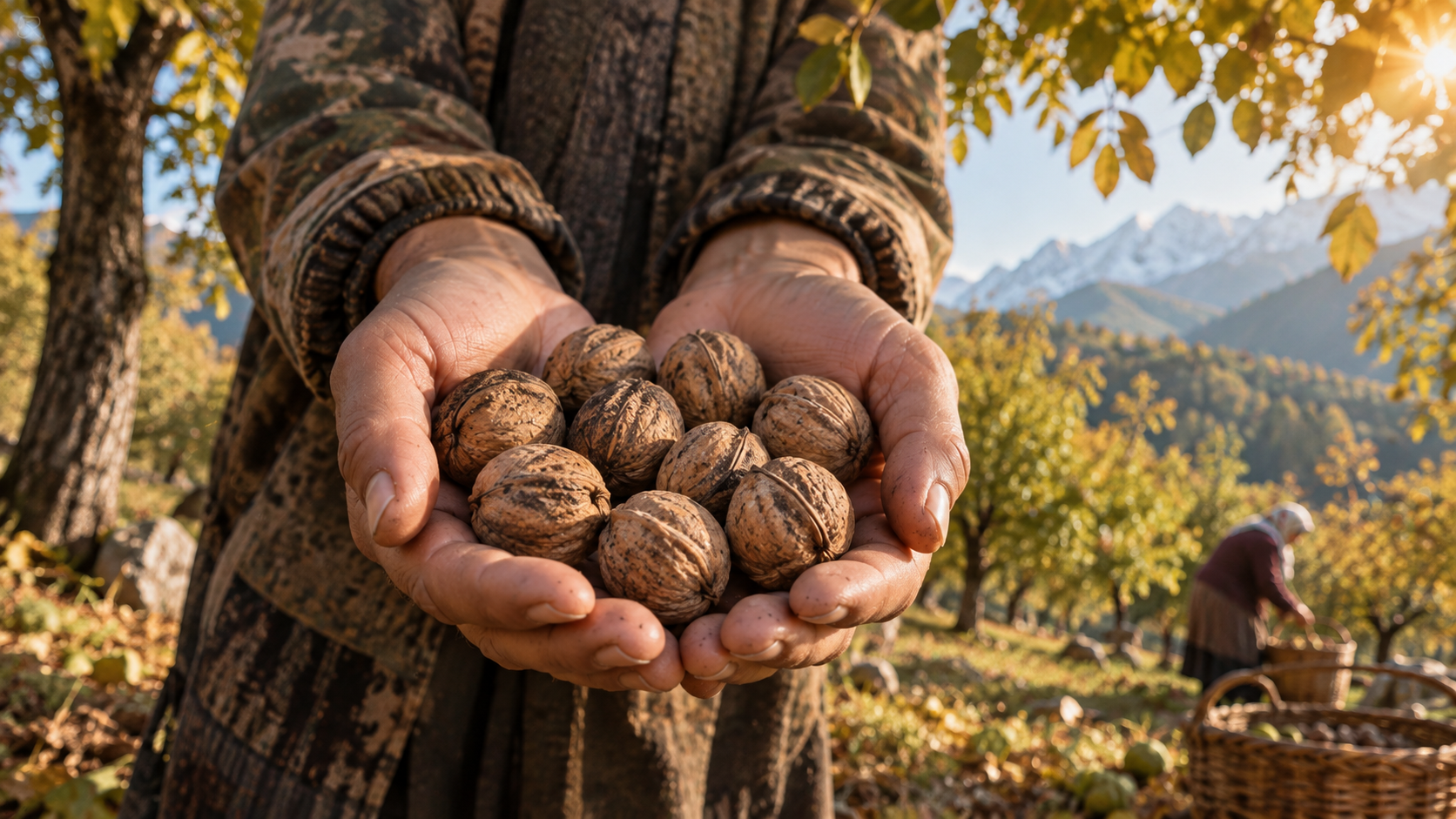
The best window is May to October, when the road to Sary-Chelek is open and Arslanbob's walnut harvest starts in early autumn. Our Magic of Sary-Chelek tour is a ready-made base, while the longer VIP Kyrgyzstan journey can fold in the south together with Osh and the sacred Sulaiman-Too mountain. Planning your 2027 season? Get in touch with our team and we will build a private programme with a historian guide, smooth transfers and the best accommodation in the region.
Want to see it with your own eyes?
We'll build a route around your dates, pace and budget — guide, transfers and stays included. We reply within a day.
Popular tours
You may also like