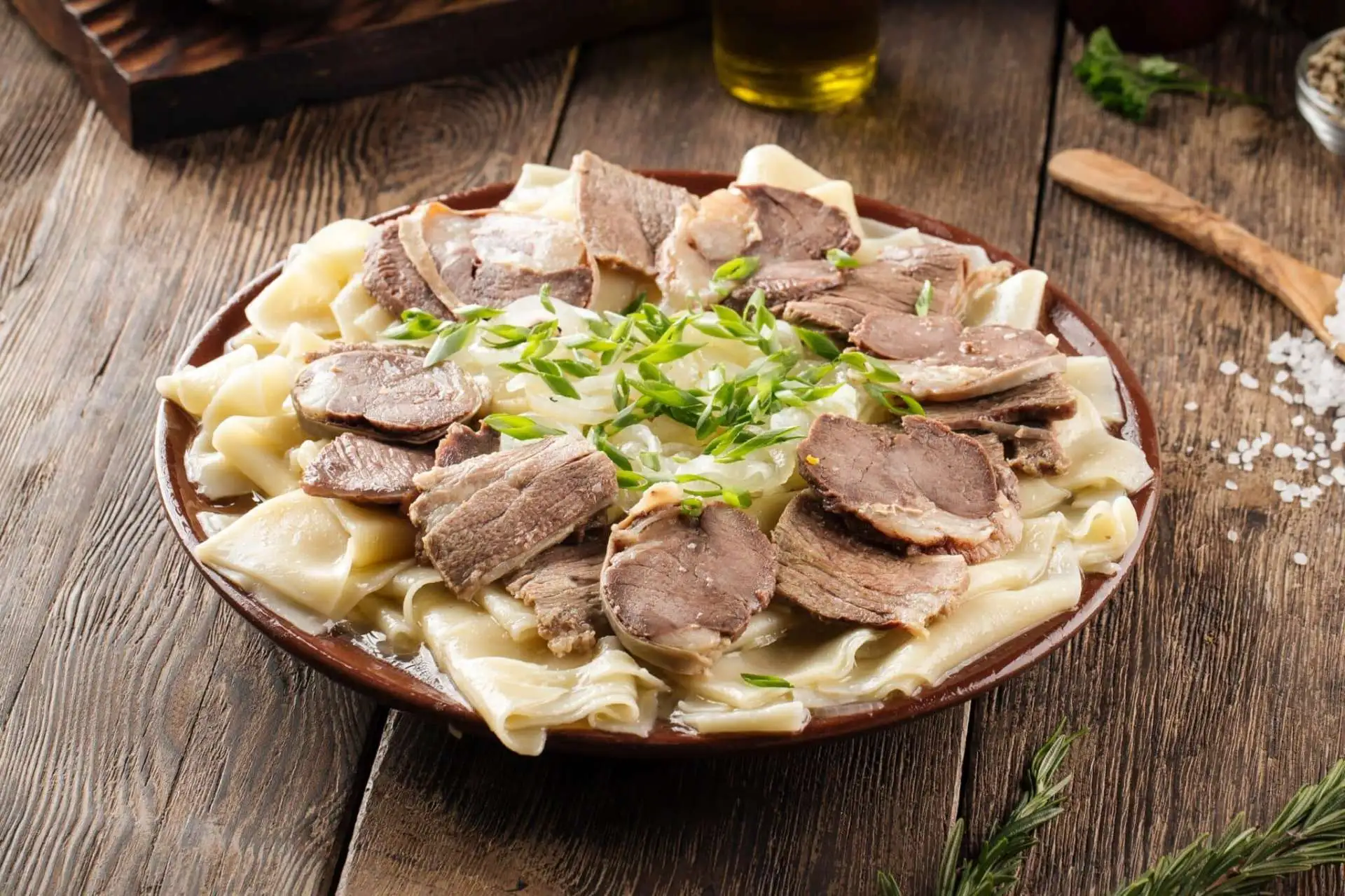
Ashlyanfu, Dungan noodles and a private family dinner in Karakol, Issyk-Kul, paired with a visit to the wooden Dungan Mosque. Curated by xtravel.
Our tours
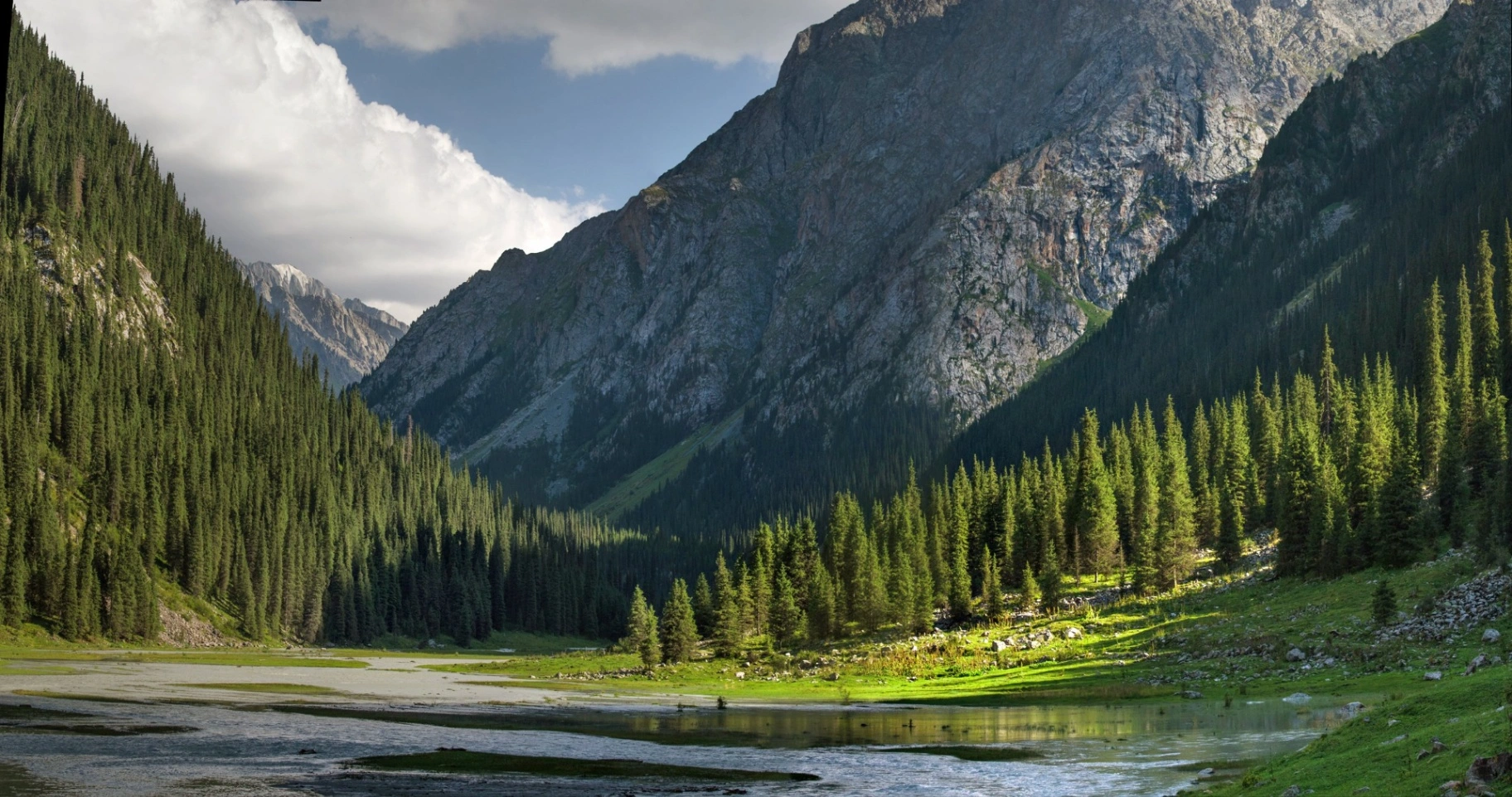
See allMost travellers know Karakol as a mountain town: the starting point for the Ala-Kul trek and, in winter, a ski base with views over the Tian Shan. Yet the town on the eastern shore of Issyk-Kul has another identity that is just as compelling — its food. For well over a century Karakol has been home to a Dungan community, and their cooking is now woven into everyday life here. If you travel to understand a place through its table, Karakol deserves at least one unhurried evening.
The Dungans are Chinese-speaking Muslims, descendants of Hui families who settled in Semirechye and around Issyk-Kul in the late nineteenth century after leaving north-western China. They brought farming and market-gardening skills and a culinary tradition where Chinese technique meets halal rules and Central Asian produce. The clearest monument to this story is the wooden Dungan Mosque, built in the early twentieth century in the style of a Chinese temple — we cover it, along with the rest of the town, in our guide to Karakol's heritage.
Ask anyone in Karakol what you must eat and the answer is almost always ashlyanfu. It is a cold dish combining wheat noodles with translucent starch noodles cut into strips, served in a chilled, tangy broth sharpened with vinegar, chilli and garlic, and topped with ribbons of thin omelette and sautéed vegetables. Locals eat it year-round, often with fried pastries on the side. It is bright, sour and spicy — and, as residents will tell you, never quite the same outside Karakol.
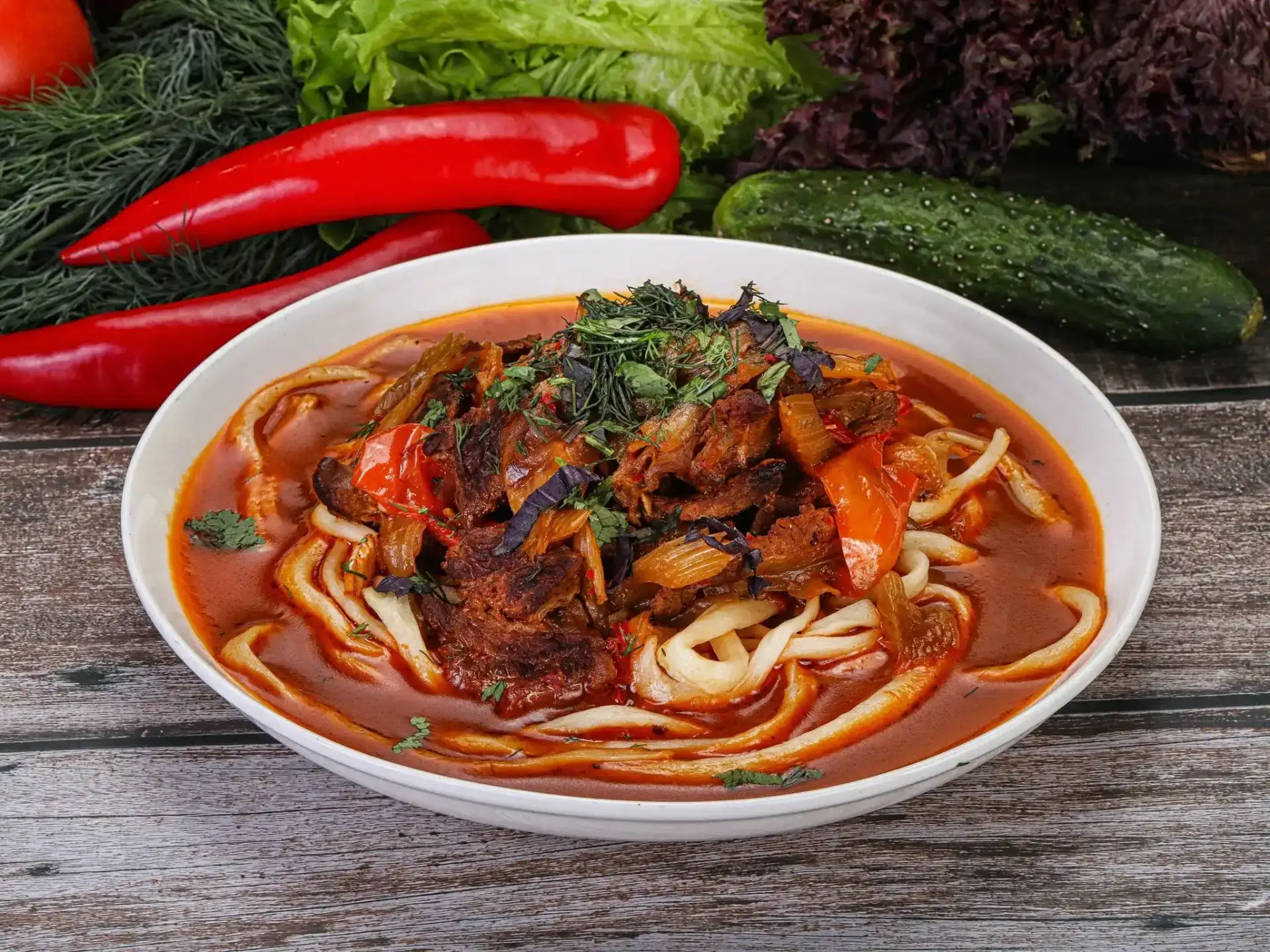
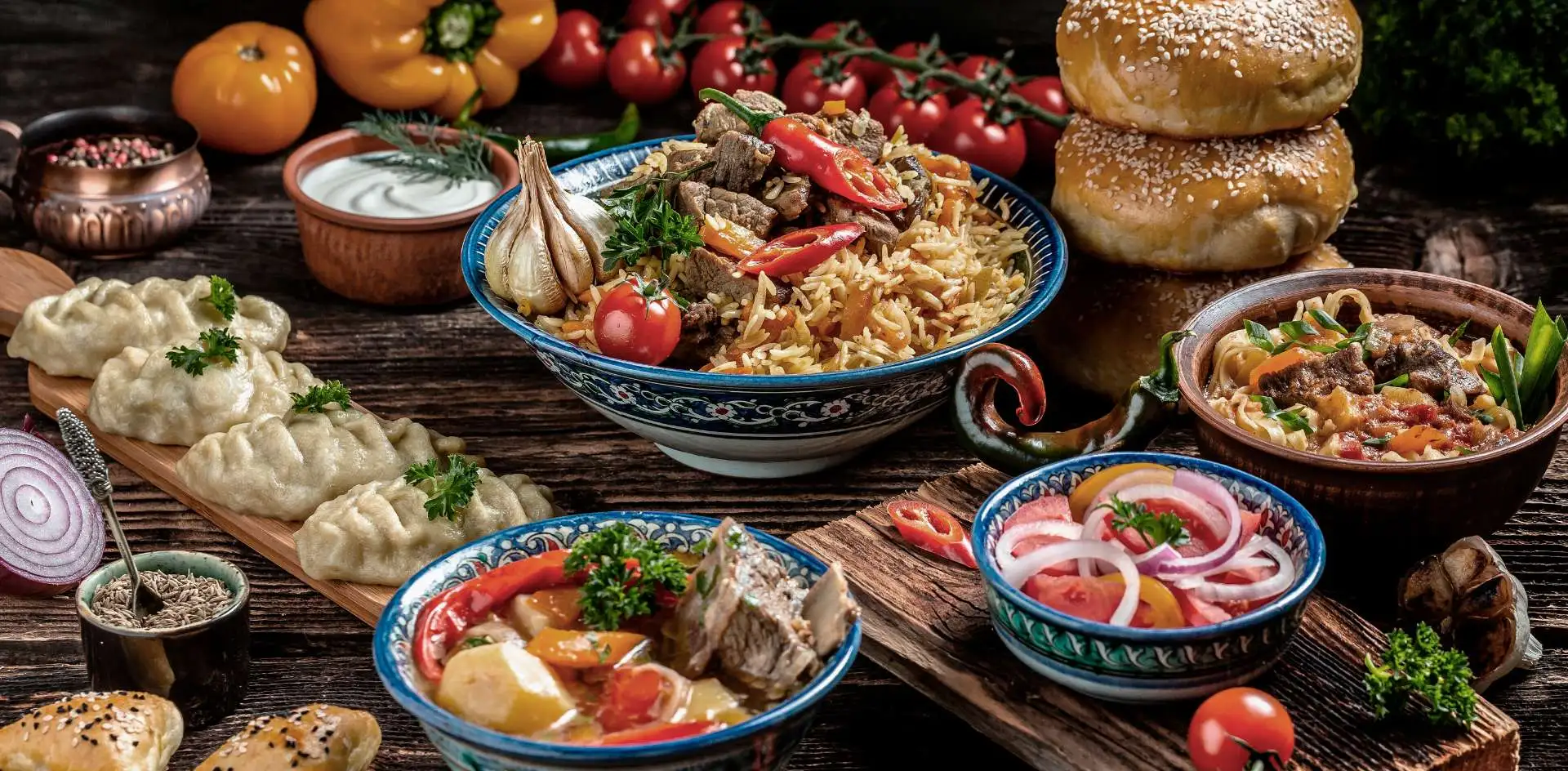
A Dungan meal is not built around a single centrepiece but around many small dishes arriving in sequence: vinegary cold salads, braised vegetables, meat with ginger and garlic, hand-pulled noodles, steamed buns. Dungan lagman is lighter than the Uyghur version, with finer noodles, more vegetables and a gentle acidity. If you have followed our nomadic food route through northern Kyrgyzstan, this is a completely different side of the same country.
The best way into this cuisine is a home, not a restaurant. We work with families who have hosted guests for years: you arrive in the late afternoon, watch the noodles being pulled by hand, try it yourself, then sit down with your hosts. A guide-interpreter keeps the conversation flowing — about weddings, festive dishes and how the community has kept its language alive. A few practical notes:
Start at the Dungan Mosque in soft morning light, walk the old wooden streets and the Holy Trinity Cathedral, stop for ashlyanfu near the market at lunchtime, and finish with the family dinner. The day fits naturally into our six-day journey around Issyk-Kul or the cultural itinerary The Way of the Nomad. Late 2026 is a particularly quiet time to visit: snow on the peaks, few visitors, and hot tea after a bowl of cold noodles feels like a small ritual.
Would you like a Dungan evening added to your itinerary, or a dedicated food weekend on Issyk-Kul? Get in touch with our team and we will match the family, dates and logistics to your group.
Want to see it with your own eyes?
We'll build a route around your dates, pace and budget — guide, transfers and stays included. We reply within a day.
Popular tours
You may also like