A nail-free Dungan mosque, a wooden cathedral, the Przhevalsky memorial and ashlyan-fu: how to spend a full day in Karakol with a private historian guide.
Our tours
See allMost travellers treat Karakol as a place to sleep: one night in a guesthouse, an early start for the mountains, and the town is gone from the rear-view mirror. That's a missed opportunity. Founded in 1869 as a Russian military outpost on the eastern shore of Issyk-Kul, Karakol became home to Dungans, Russian settlers, Kyrgyz and Uyghurs, and each left a mark. Give it a full day and it turns out to be one of the most layered cultural stops in Kyrgyzstan.
Karakol's showpiece is a wooden mosque raised by the local Dungan community between 1904 and 1910. Chinese master builder Zhou Seu and twenty carpenters assembled it entirely with interlocking joints, no nails at all. From the outside it looks more like a Buddhist pagoda than a mosque: upswept eaves, carved cornices, dragons and floral motifs in red and green. Go in the morning, when the courtyard is quiet and the low light brings out the grain of the wood. A good guide will explain how the Dungans, Chinese-speaking Muslims, settled here in the late 19th century and why the community still keeps its language and cuisine.
A few blocks away is an entirely different world. The wooden Holy Trinity Cathedral, completed in 1895, survived earthquakes and the Soviet decades, when it served as a club and dance hall. Services resumed after independence, and its golden domes against snow-covered ridges are now the town's signature view. A pagoda-style mosque and an Orthodox cathedral a fifteen-minute walk apart tell you more about Karakol's frontier history than any lecture could.
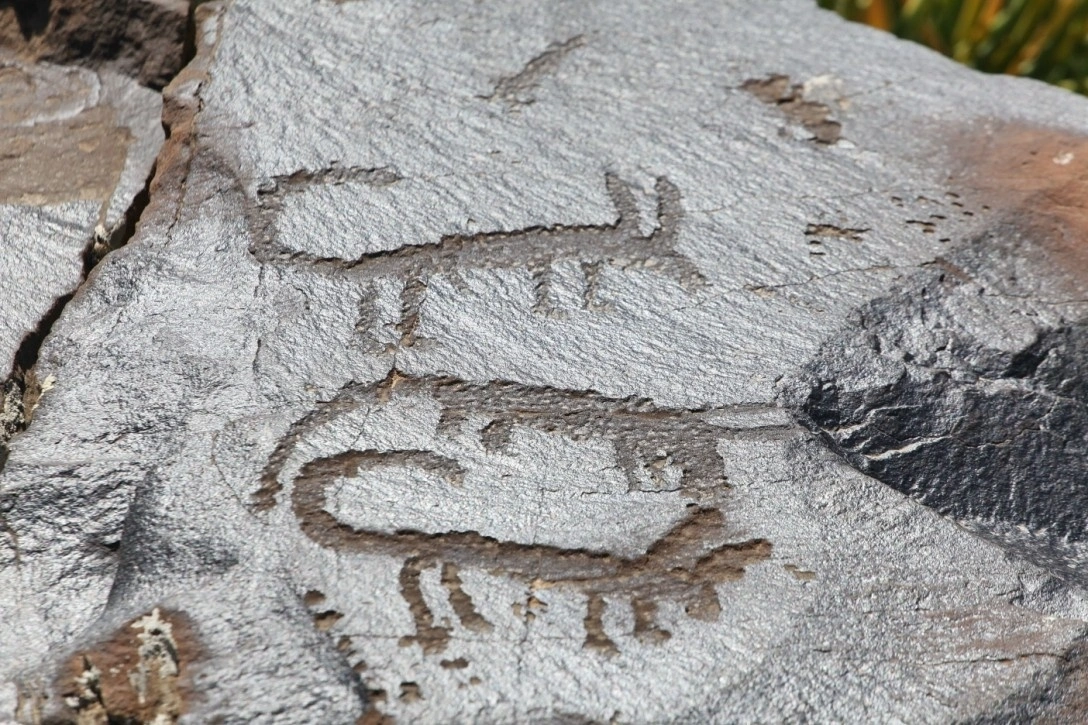
In 1888 Nikolai Przhevalsky, the Russian explorer who mapped much of Central Asia, fell ill in Karakol while setting out for Tibet and died here. At his request he was buried on the shore of Issyk-Kul just outside town, beneath a monument crowned with a bronze eagle. The adjoining museum holds maps, equipment and expedition records, and for decades the town itself carried his name. With a historian at your side, it becomes a story of the Great Game, scientific expeditions and the first European accounts of the Tian Shan. If ancient history is your thing, pair it with the rock art of Cholpon-Ata on the north shore.
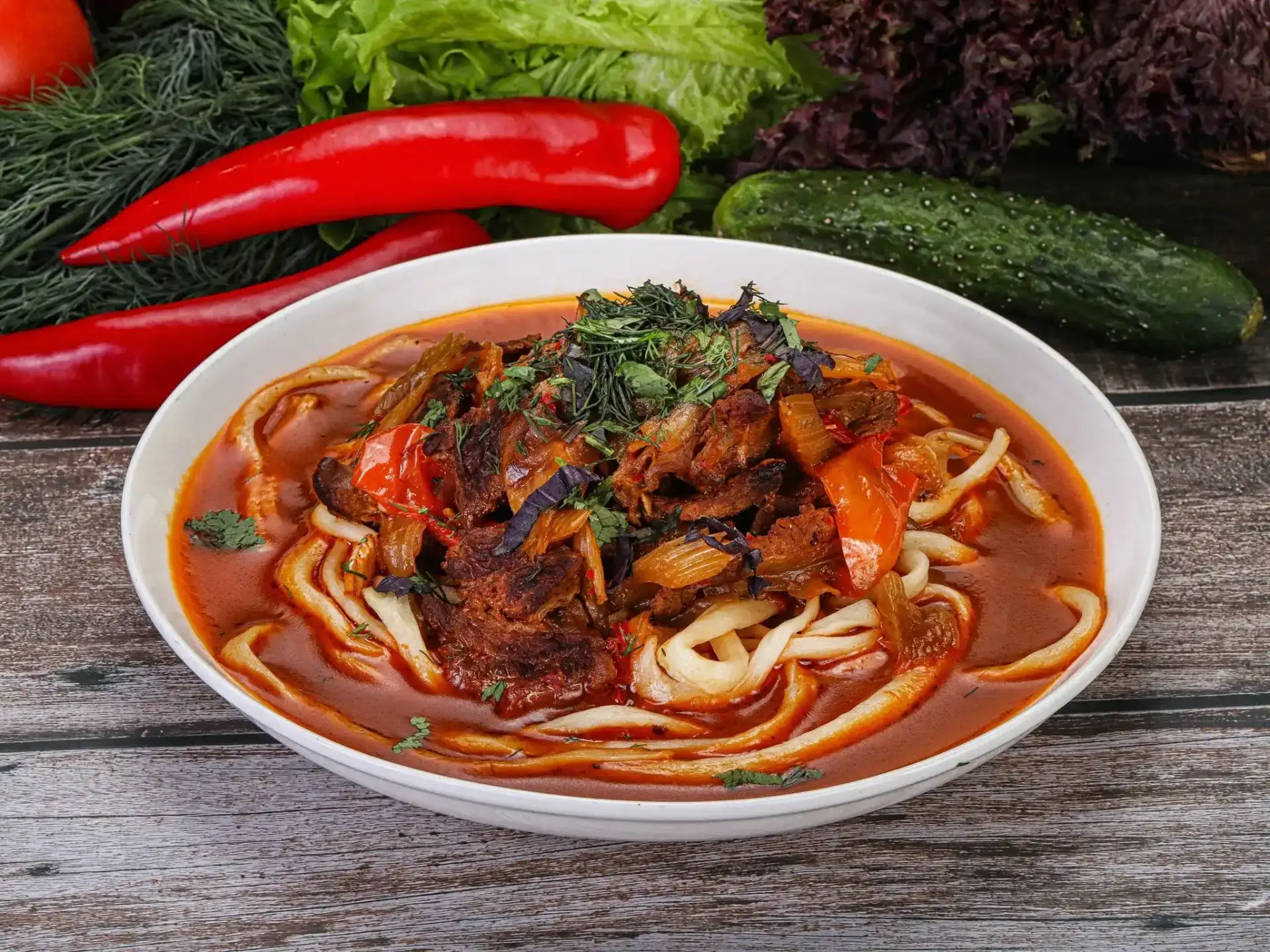
You can't leave Karakol without trying ashlyan-fu, a cold noodle dish with starch jelly, egg and a sharp, spicy vinegar dressing. It's the town's calling card: refreshing in summer, a perfect starter before hot lagman the rest of the year. For guests who care about the setting as much as the flavour, we arrange lunch with a Dungan family, a table crowded with dishes, stories from the host and a look into the kitchen where noodles are pulled by hand.
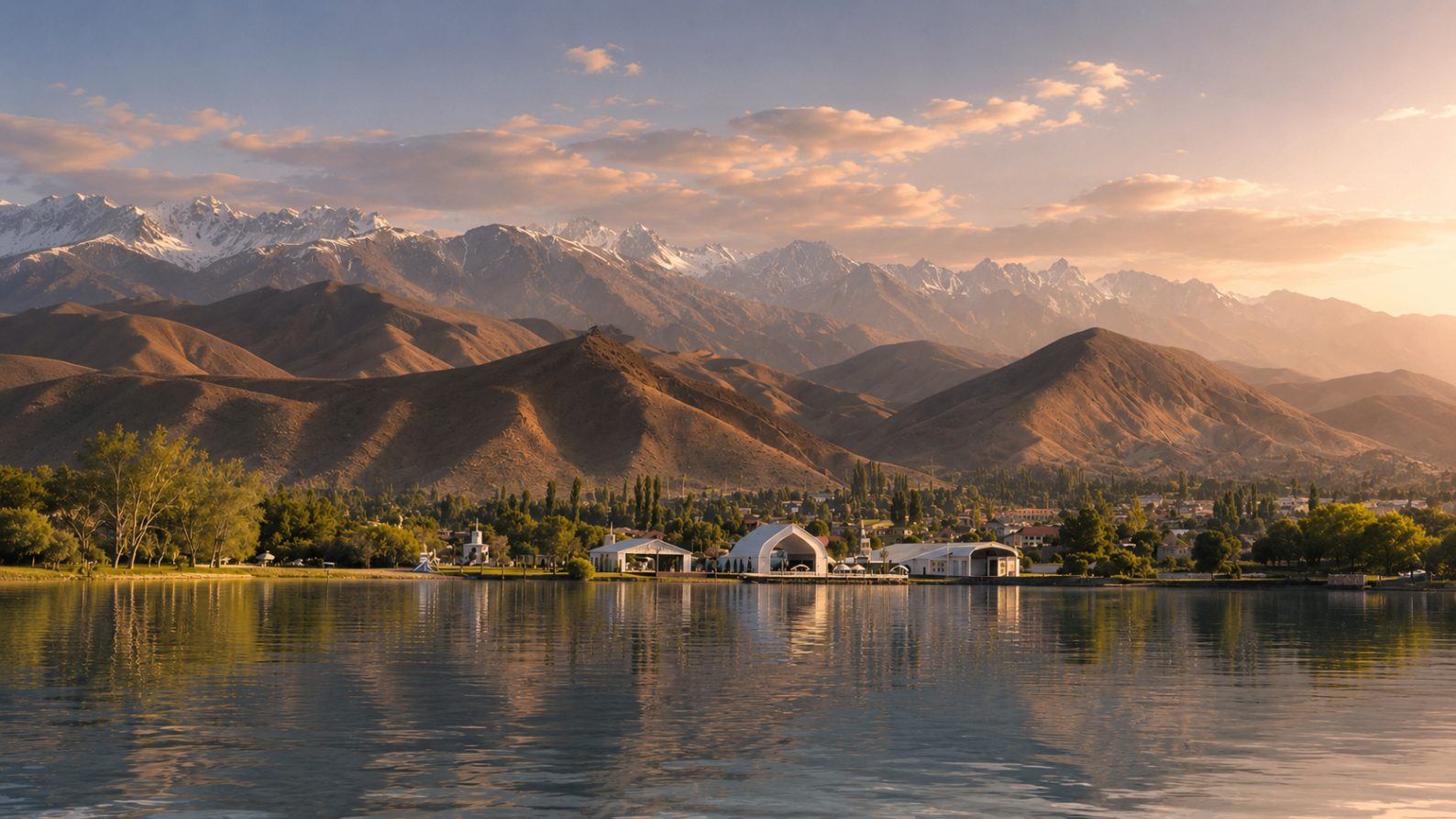
In an xtravel itinerary, Karakol is a chapter rather than a stopover. Morning at the mosque and cathedral, lunch in a Dungan home, the Przhevalsky memorial and a walk along the lake in the afternoon, dinner with mountain views. It works beautifully before the active part of a trip, say before the Ala-Kul and Altyn-Arashan trek, or at the end, when you want a change of pace. Browse our curated travel collections for eastern Issyk-Kul routes, or get a feel for the region in the xtravel photo gallery.
Karakol rewards travellers who slow down. Tell us what draws you, whether architecture, exploration history or food, and we'll build the day around a private historian guide and seamless logistics. To plan dates for 2026/2027, get in touch with the xtravel team.
Want to see it with your own eyes?
We'll build a route around your dates, pace and budget — guide, transfers and stays included. We reply within a day.
Popular tours
You may also like