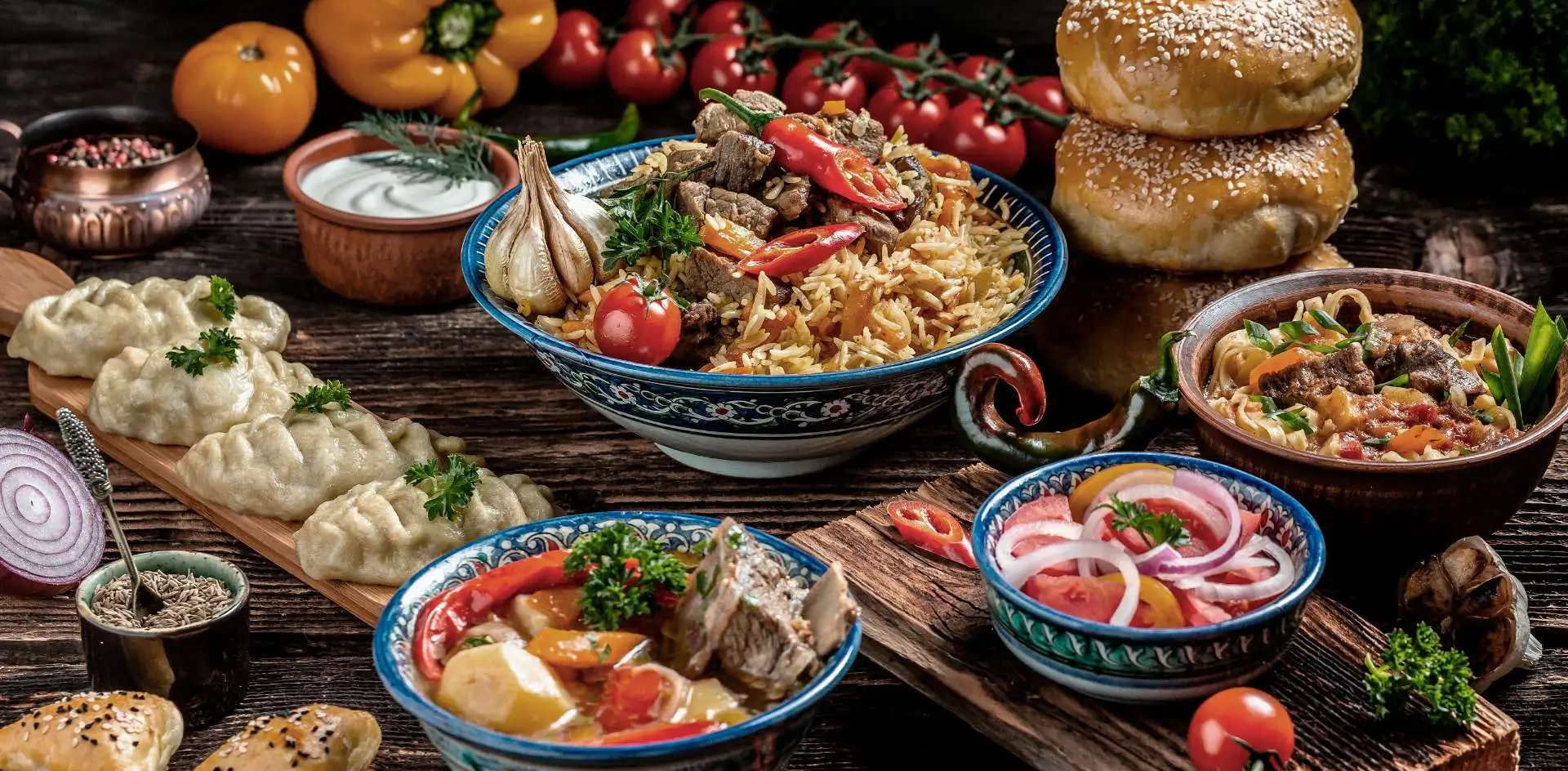
Discover the rich flavors of Central Asian cuisine: the history and traditions behind pilaf, beshbarmak, lagman, manty, kuurdak and other regional dishes. Learn how nomadic culture shaped one of the most unique culinary heritages in the world.
Our tours
See allCentral Asia’s cuisine is a fusion of nomadic traditions, Silk Road influences, and centuries-old culinary knowledge.
From aromatic plov and hearty lagman to festive beshbarmak and tender manty, every dish reflects life in the steppe, hospitality, and cultural identity.
This guide highlights the most iconic dishes of the region, their origins, and their cultural significance.
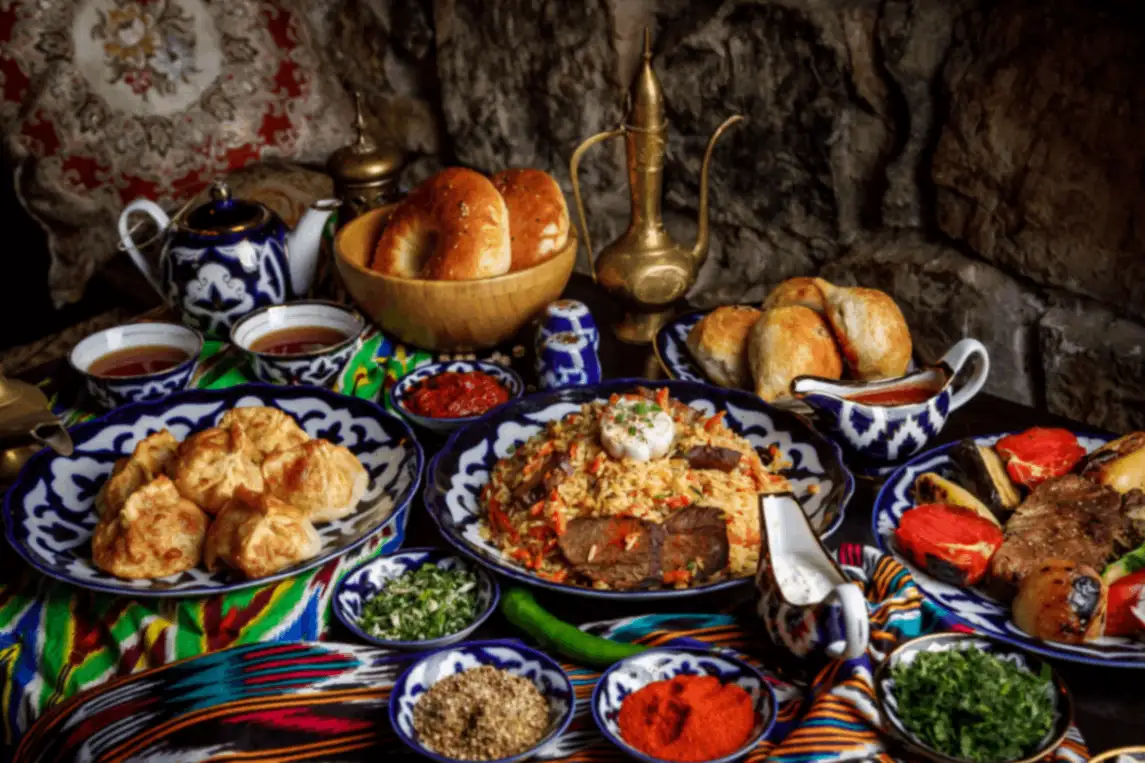
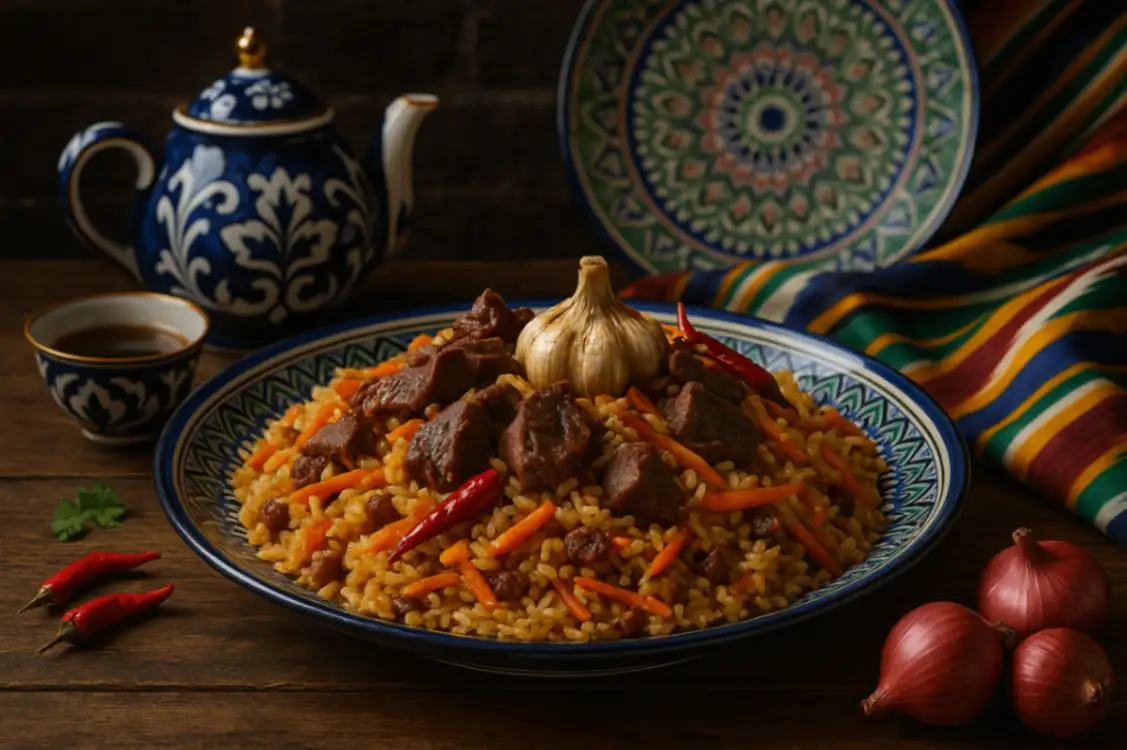
Plov is the most famous dish in Central Asia. Though traditionally associated with Uzbekistan, it is widely prepared in Kazakhstan, Kyrgyzstan, Tajikistan and Turkmenistan.
cooked in a cauldron (kazaan) over high heat
rice, meat (usually lamb or beef), carrots, onions
flavored with barberries, cumin, garlic
Pilaf is served at weddings, holidays, and large gatherings. In Uzbekistan, special restaurants — oshkhona — prepare it daily in huge cauldrons.
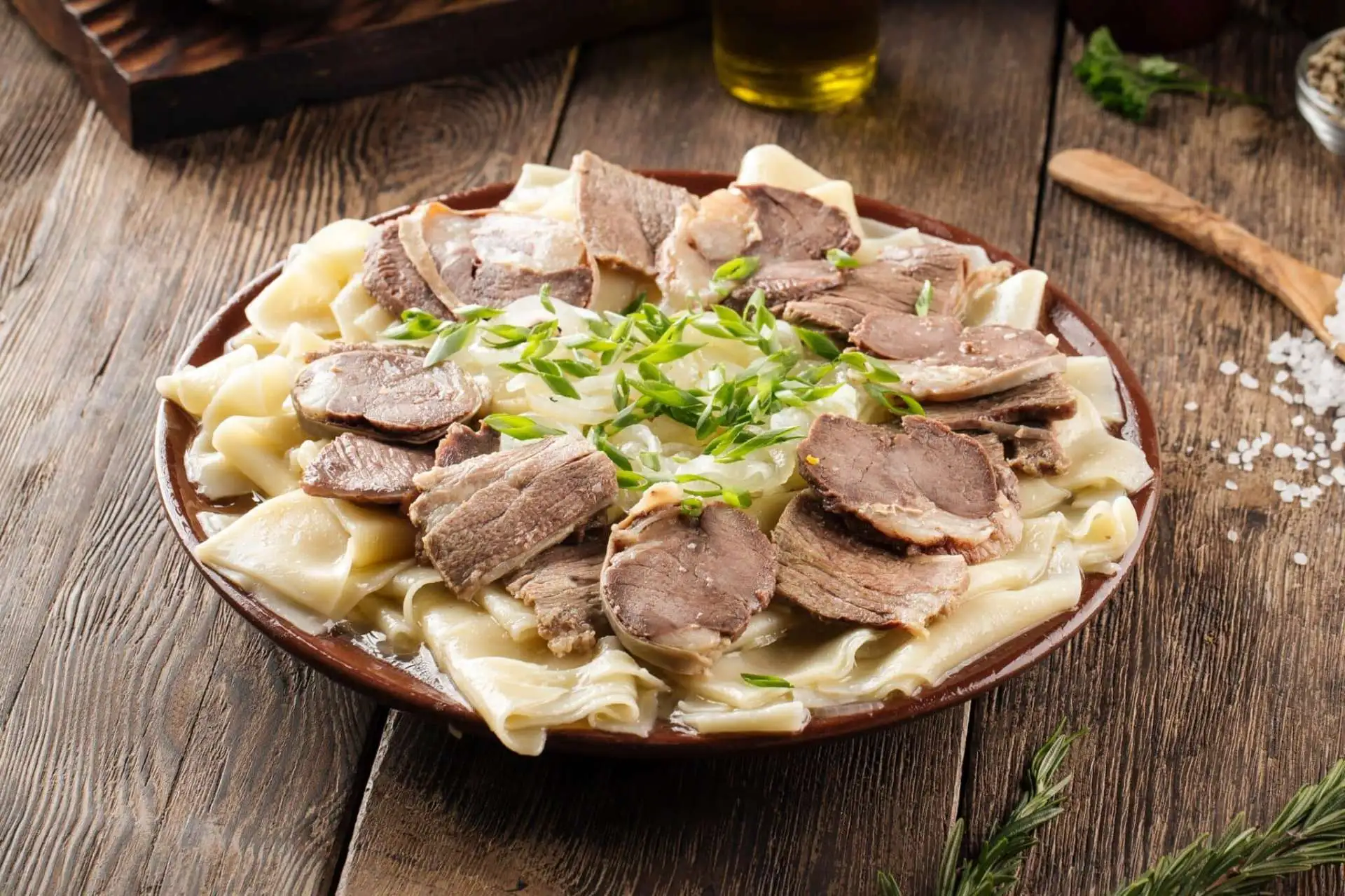
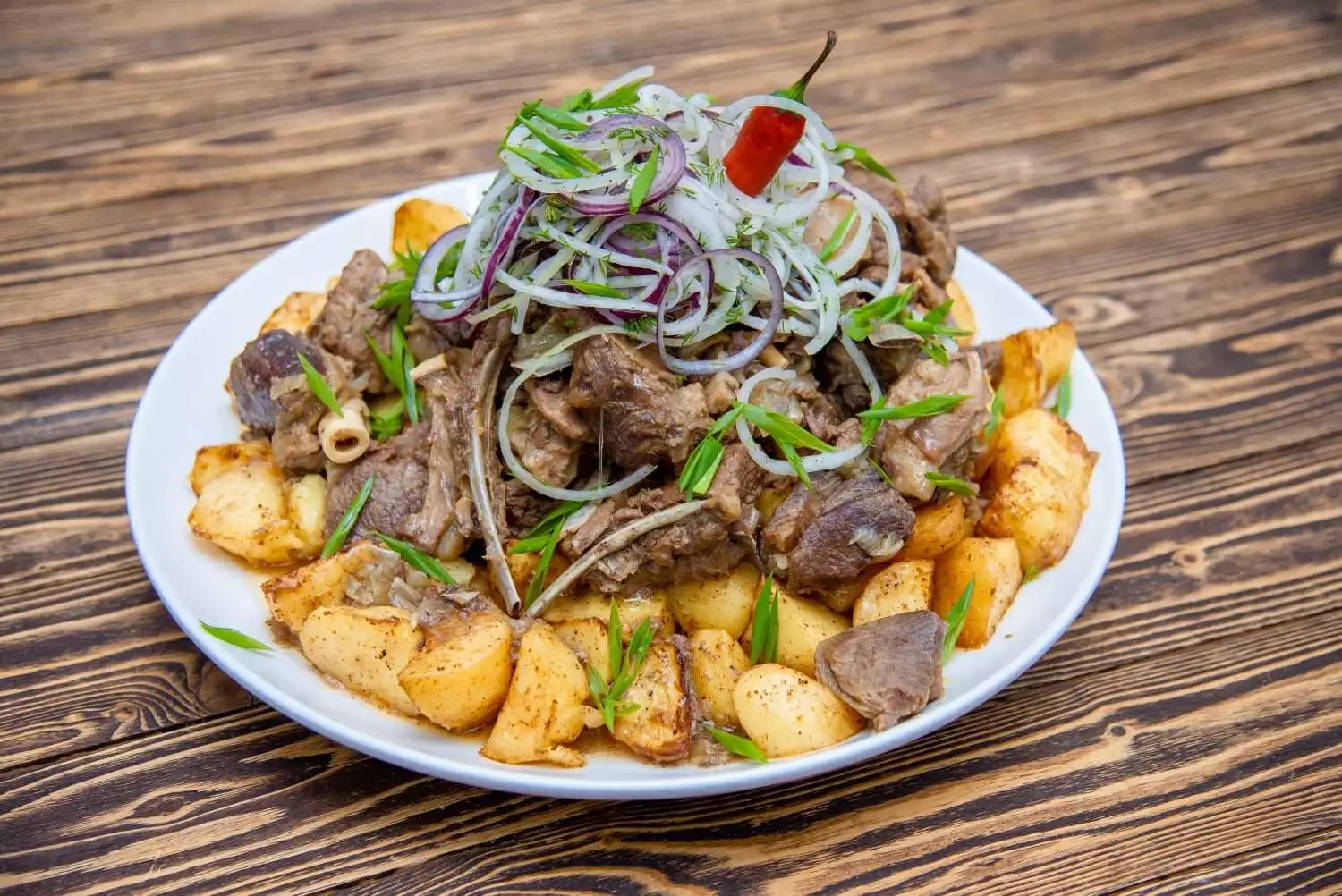
Beshbarmak (“five fingers”) is the national dish of Kazakhstan and Kyrgyzstan. Traditionally eaten by hand, it consists of boiled meat, fresh pasta, and a rich broth.
horse meat, lamb, or beef
handmade flat noodles
broth with seasoned onions
Beshbarmak is central to celebrations, honoring guests, and family events.
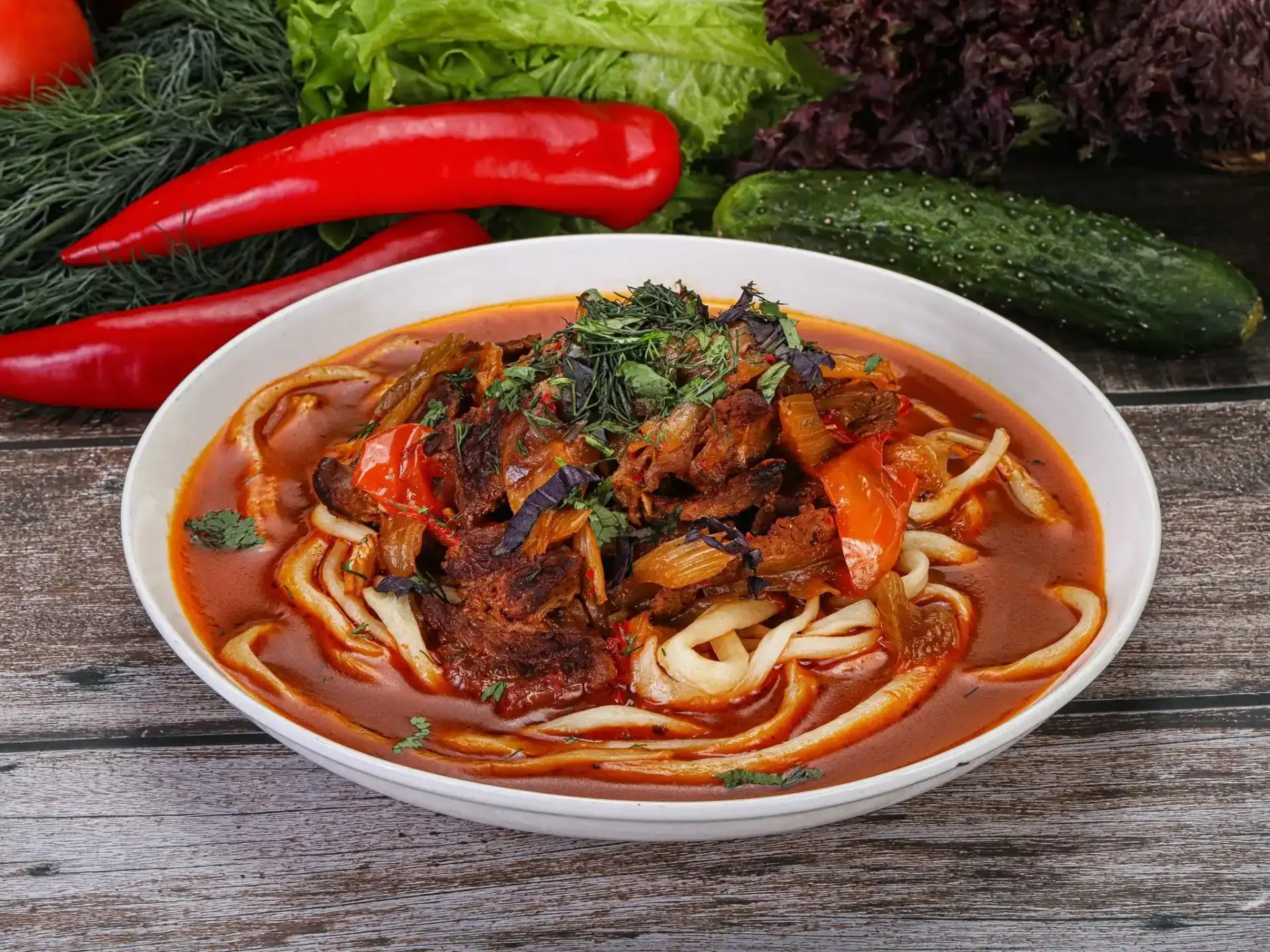
Lagman, influenced by Uyghur and Dungan culinary traditions, is popular across Kyrgyzstan, Kazakhstan, and Uzbekistan.
Guiro lagman — stir-fried
Shorpo lagman — soup-style
Gan fan — noodles served separately with sauce
Its homemade noodles, beef, vegetables and spices make lagman a signature comfort food.
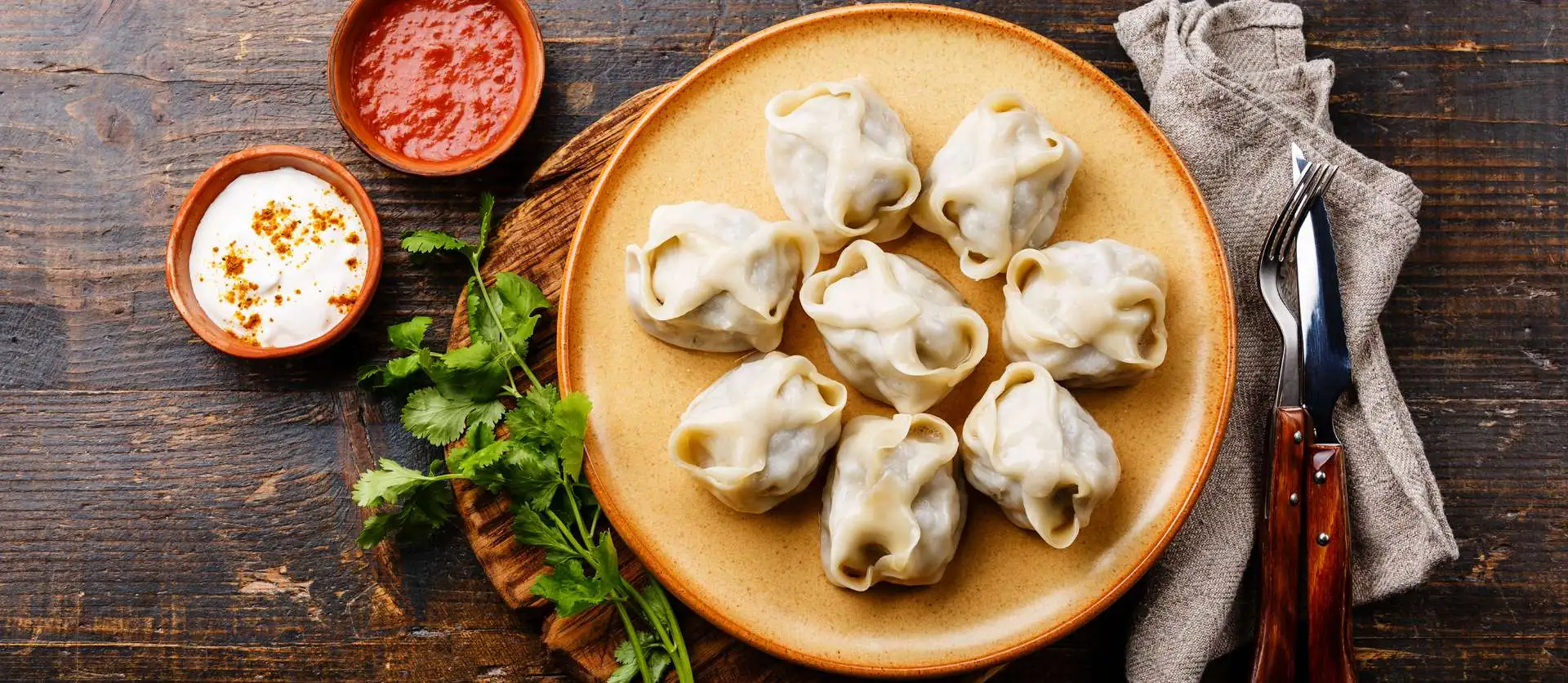
Manty are steamed dumplings with thin dough and juicy filling.
chopped lamb or beef
lots of onions
cumin and black pepper
Variations include pumpkin, potatoes, or greens.
Kuurdak is a hearty meat dish of fried meat, onions, and sometimes potatoes.
Historically, it was cooked right after slaughter from fresh meat and offal.
it cooks quickly, over high heat
gives a lot of energy
It was traditionally considered a dish of hunters and shepherds
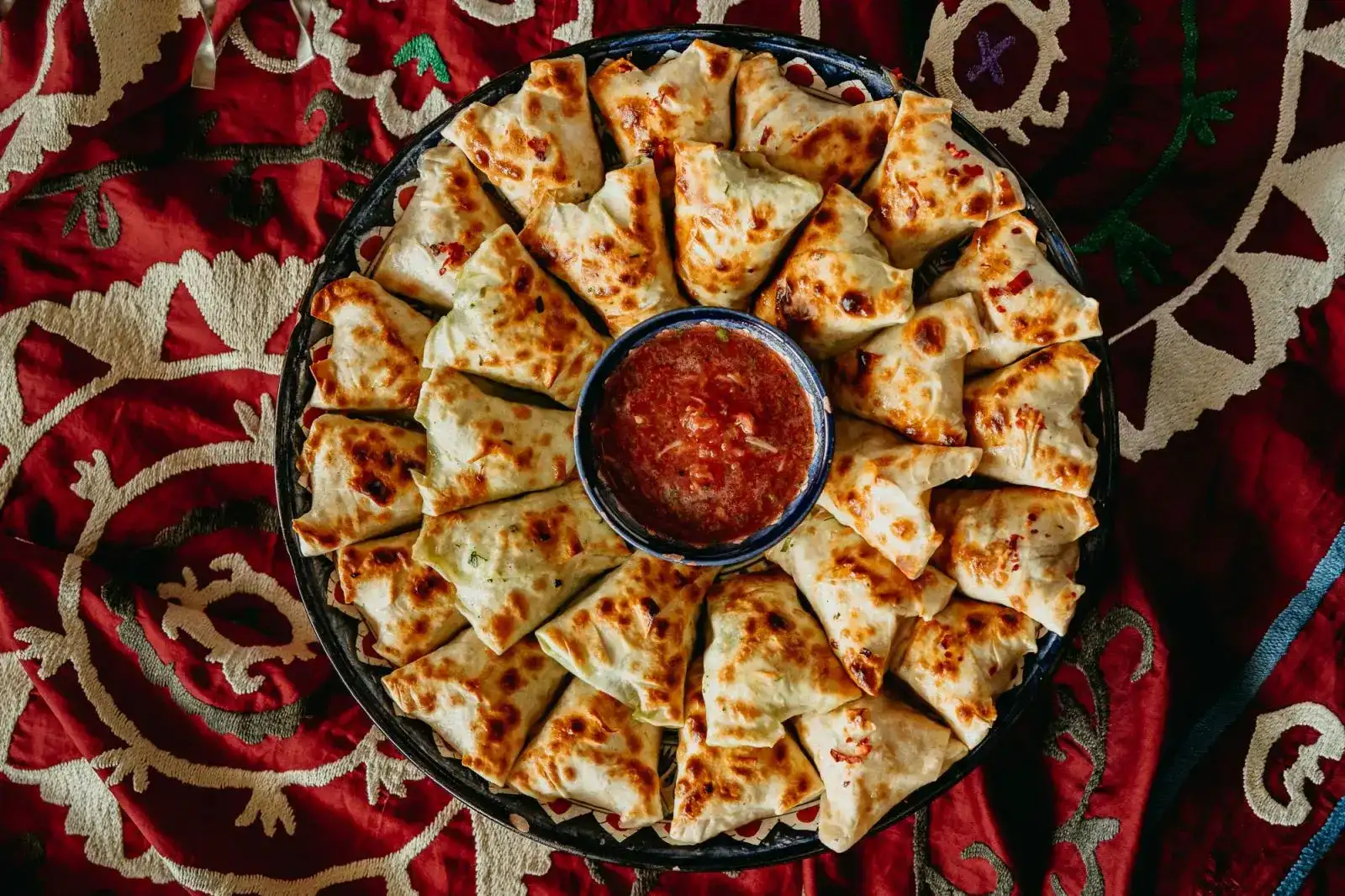
Samsa is baked in a tandoor or oven, with crispy crust and aromatic meat filling.
Common types include lamb, beef, chicken, cheese or potato samsa.
The crispy crust, juicy filling and the aroma of spices make it one of the most favorite street dishes of the region.
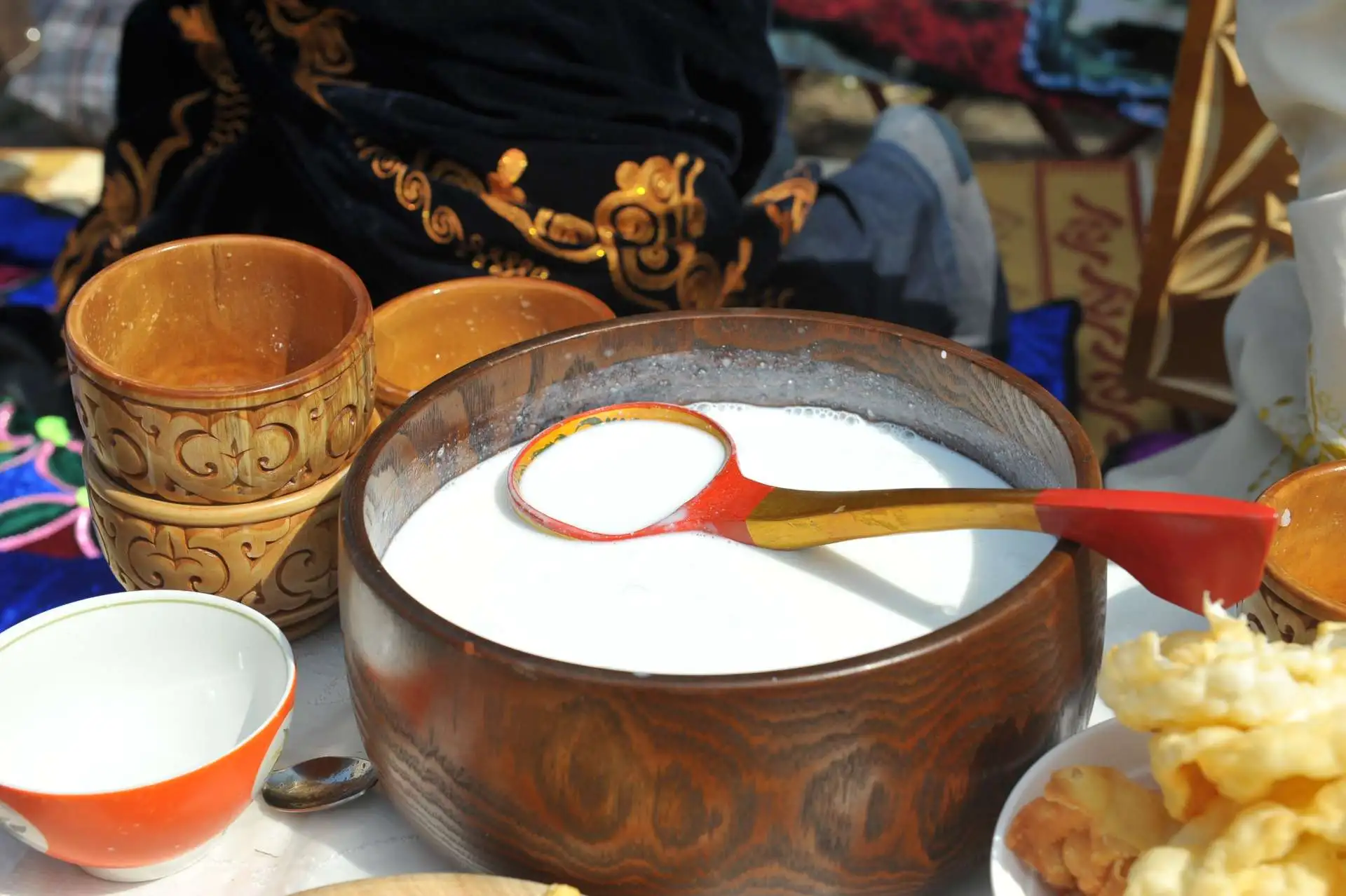
Kumis — fermented mare’s milk
Shubat — fermented camel milk
Ayran — refreshing yogurt-based drink
These drinks are valued for health benefits and natural fermentation.
Plov, beshbarmak, lagman, manti, kuurdak and other dishes carry the history of the peoples living between the steppes, mountains and ancient trade routes.
Each dish is a part of the cultural heritage that unites people and remains alive to this day.
Want to see it with your own eyes?
We'll build a route around your dates, pace and budget — guide, transfers and stays included. We reply within a day.
Popular tours
You may also like