Discover shyrdak and ala-kiyiz felt carpets: ornament symbolism, women's workshops in Kochkor and Issyk-Kul, private classes and buying directly from makers.
Our tours
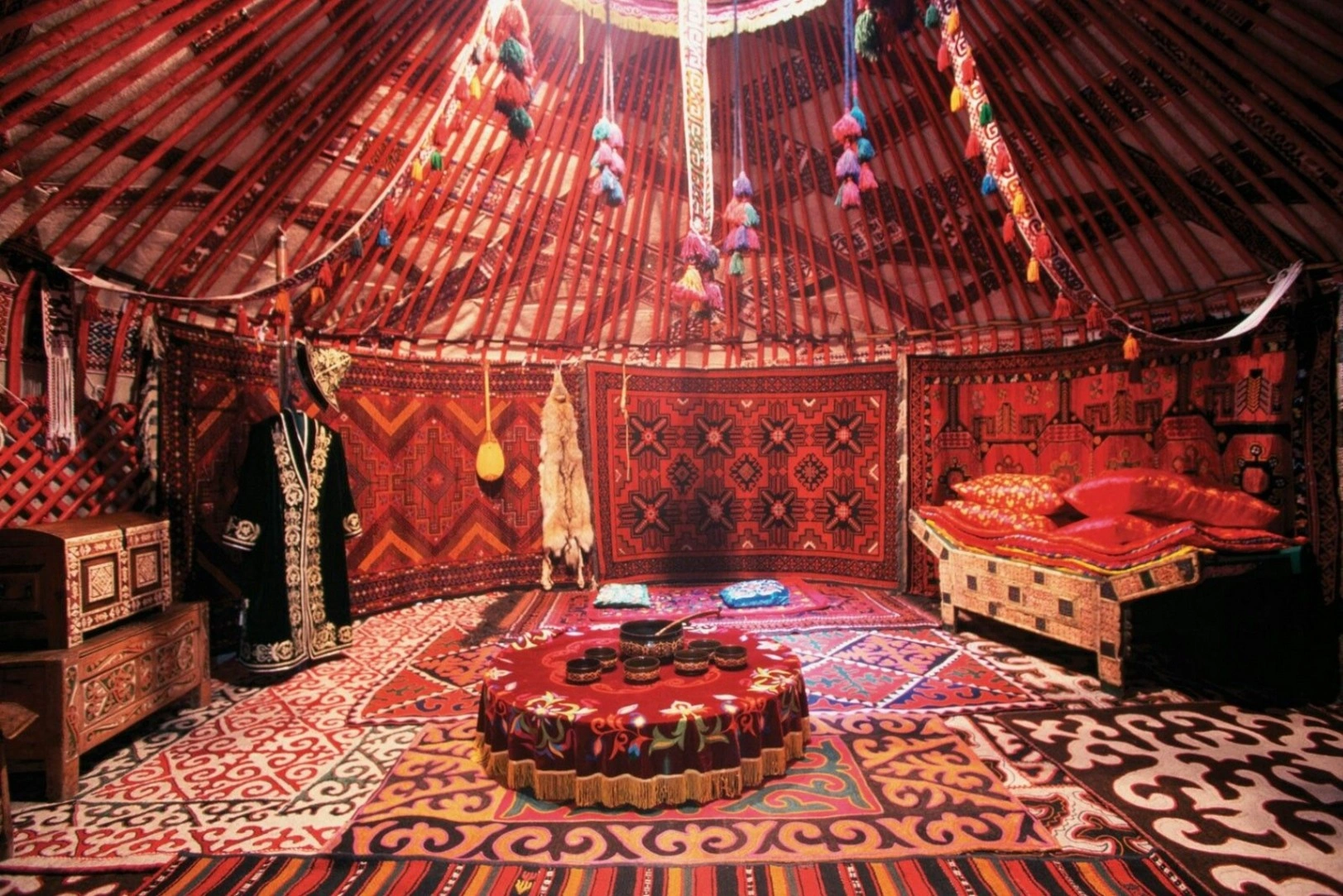
See allStep into any yurt on a summer pasture and the first thing that catches your eye isn't the stove or the painted chests — it's the floor. Layers of vivid felt rugs, curling with motifs that look like ram's horns, keep out the cold, soften every sound and quietly tell a family's story. Shyrdak and ala-kiyiz aren't souvenirs dreamed up for visitors; they're a working part of nomadic life. In 2012 UNESCO placed Kyrgyz felt carpet art on its list of intangible heritage in need of urgent safeguarding, because fewer and fewer women still master the full process.
Ala-kiyiz is pressed felt. Dyed wool is laid out in a pattern on a base layer, soaked with hot water and rolled for hours until the fibres lock together, which gives soft, almost watercolour-like lines. Shyrdak is a mosaic. The same design is cut from two contrasting sheets of felt, the pieces are swapped like a puzzle, hand-stitched together and edged with cord. A large shyrdak can take weeks to finish and lasts for generations — these rugs are passed down as heirlooms.
The signature motif is kochkor muyuz, the ram's horn, a sign of prosperity and strength. Around it you'll spot plant scrolls, triangular amulet shapes, mountains and water. Colour carries meaning too: red for life and fire, blue for the sky, white for purity and good intentions. No two makers work quite alike, and a trained eye can tell a rug from Naryn apart from one woven on the shores of Issyk-Kul.
Kochkor, a village on the road to Song-Kul lake, has long been the felt capital of the country, with women's cooperatives where you can watch every step, from sorting and dyeing wool to the final stitching. Around Issyk-Kul the craft tends to live inside family homes: on the quieter southern shore, artisans welcome guests over tea and fresh boorsok. It slots neatly into a slow route like the one in our story on Issyk-Kul's tranquil south shore.
We don't take guests to busy souvenir workshops. Instead, we arrange a private session with a single artisan: two to three hours in her studio or yurt, rolling a small ala-kiyiz or cutting and sewing a piece of shyrdak — a cushion cover, a coaster, a wall panel. An interpreter is by your side, nobody rushes you, and lunch with your host follows. Kids love it, too — wool, soap and warm water quickly turn into play — which makes it a natural fit for a family journey through the mountains.
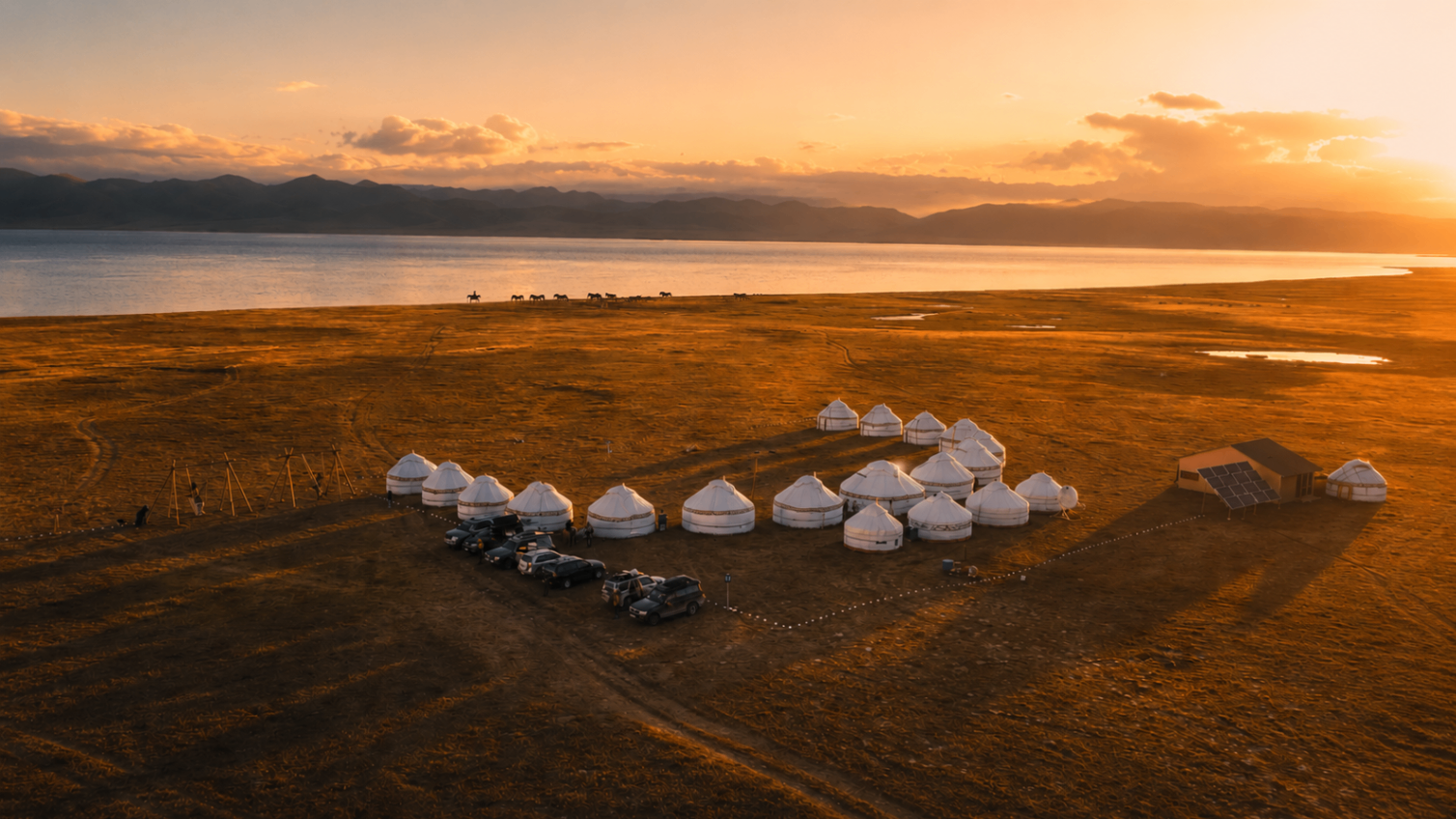
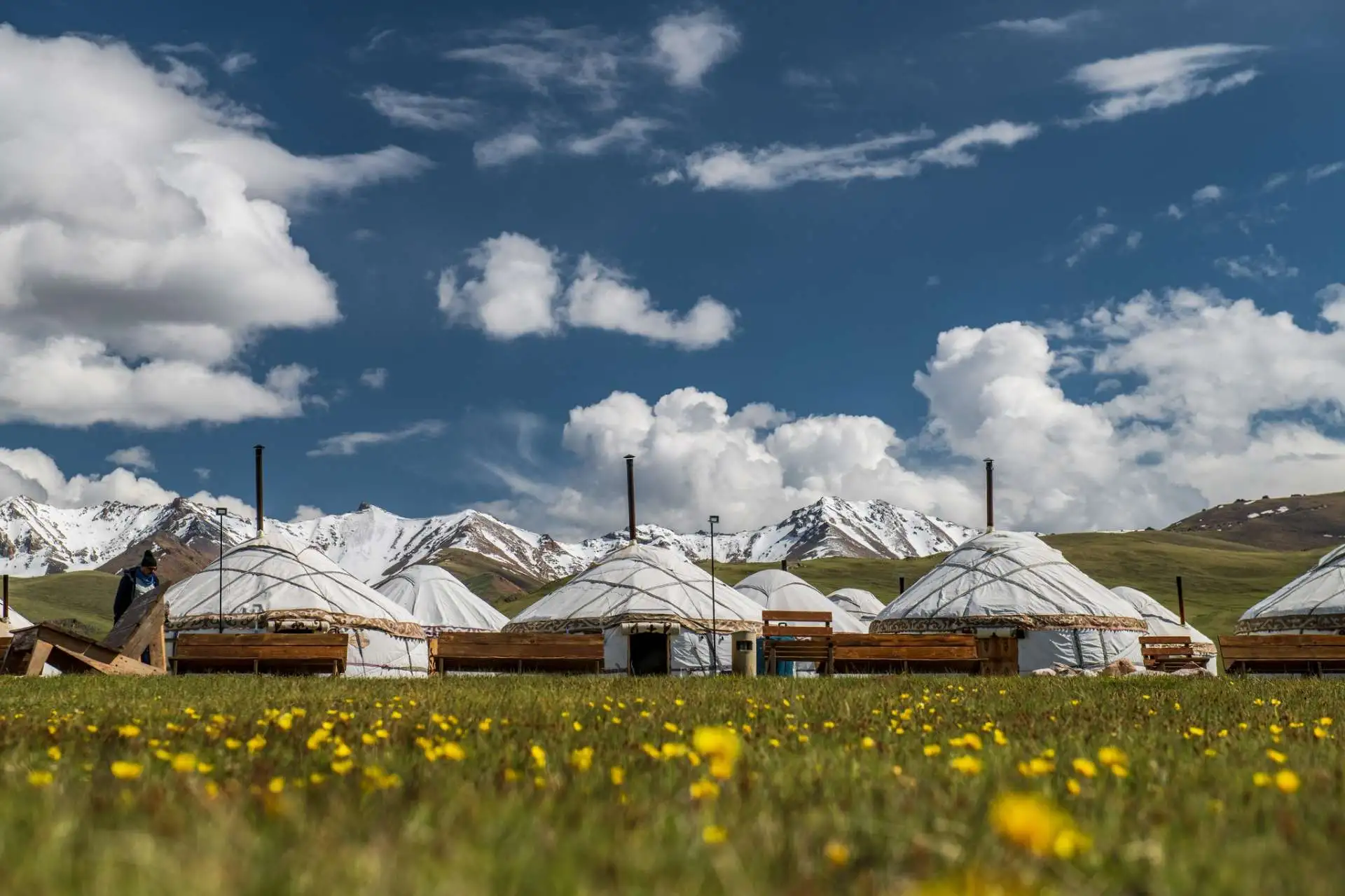
The real privilege is buying straight from the woman who made the piece, with no middlemen. Choose a finished rug or commission a shyrdak for your own home — size, palette and ornament agreed in person, then shipped to you. A tip: check the density of the felt and the evenness of the seams; natural dyes give slightly muted tones. Pair the workshop with a yurt night on Song-Kul and our nomadic food trail through the north, browse our curated travel collections for ideas, or simply get in touch with our team to build it around your dates.
Want to see it with your own eyes?
We'll build a route around your dates, pace and budget — guide, transfers and stays included. We reply within a day.
Popular tours
You may also like