Rules and meaning of kok-boru, where to watch it beyond the World Nomad Games, spectator etiquette and private shows with a commentator-guide by xtravel.

Our tours
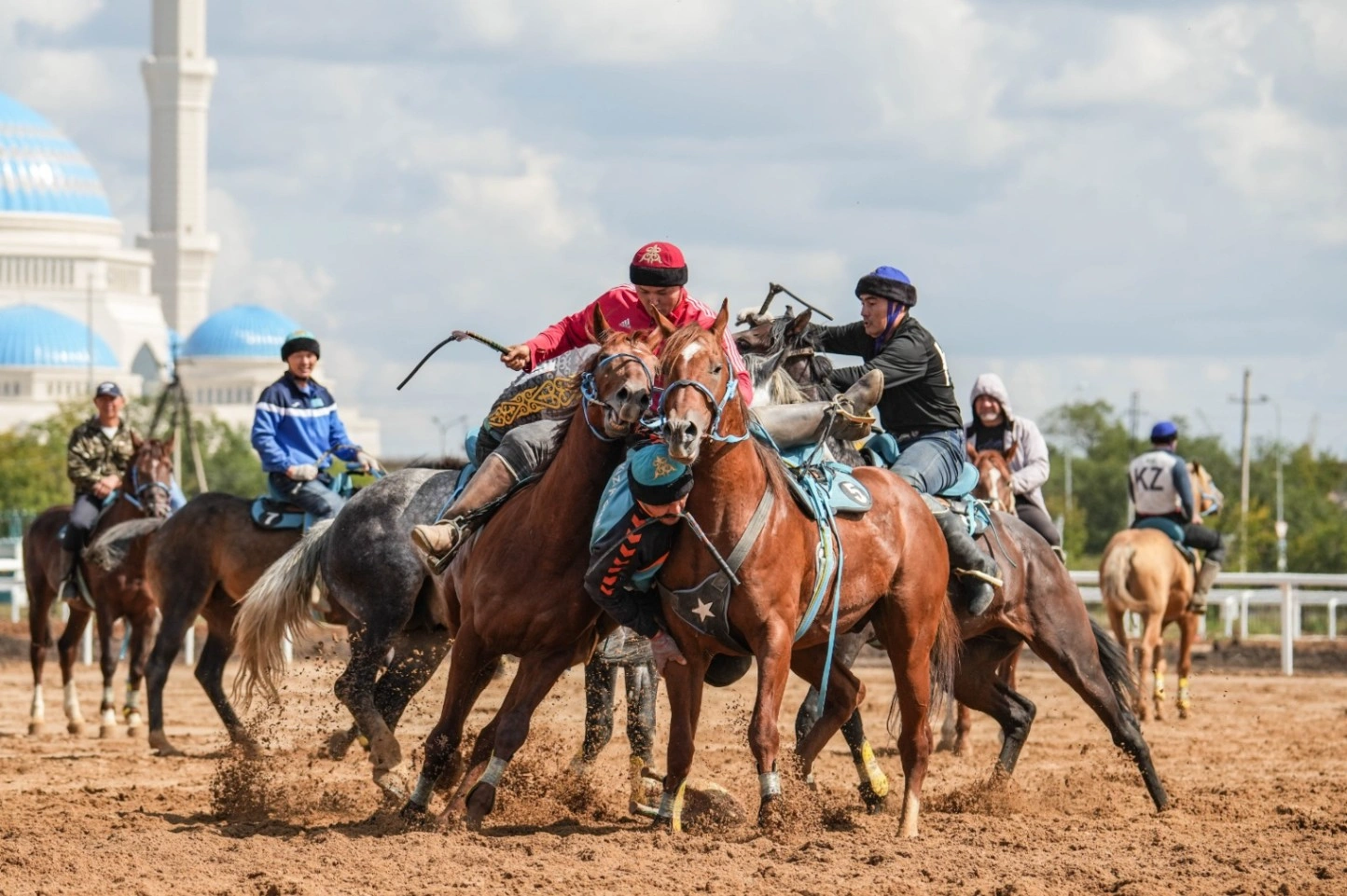
See allThe thing you remember most about kok-boru isn't the riders — it's the sound. The thunder of hooves, the creak of leather, the roar of the crowd when one player bursts out of the scrum with a goat carcass slung across his saddle. It is the most Kyrgyz of all games: part sport, part ritual, part village festival, and a real test of horse and rider. And you don't have to wait for the World Nomad Games to see it.
Kok-boru means "grey wolf". One popular explanation traces the game back to herders who chased down a wolf that had attacked their flock and fought over its body. Today the wolf has been replaced by a goat carcass weighing several dozen kilos. Two teams of riders battle for it and try to hurl it into the opponents' "kazan", a raised circular goal. Scooping the carcass off the ground at full gallop, pinning it under your knee and forcing a path through the pack — that's what earns a player his reputation.
It looks rough, but it's a game of tactics: teammates screen the carrier, horses need stamina and nerve, and riders have to read the field. In the villages a good kok-boru horse is treated as serious wealth and trained for years. In 2017 kok-boru was inscribed on UNESCO's Representative List of the Intangible Cultural Heritage — recognition that this is a living tradition, not a tourist show.

The VI World Nomad Games in 2026 put kok-boru in front of an international audience, and our World Nomad Games tour was one of the most requested trips of the season. Yet the game truly lives in the villages. Matches are played at Nowruz in late March, on Independence Day at the end of August, and at big celebrations — weddings, memorial feasts and elders' jubilees. In summer, district tournaments run around Issyk-Kul, Naryn and the Chui Valley, each region with its own star teams and loyal crowds.
Village fixtures are almost never published in advance; word spreads a week or so ahead through families and local organisers. That's why on-the-ground contacts matter: without them you can easily spend a day by an empty field.

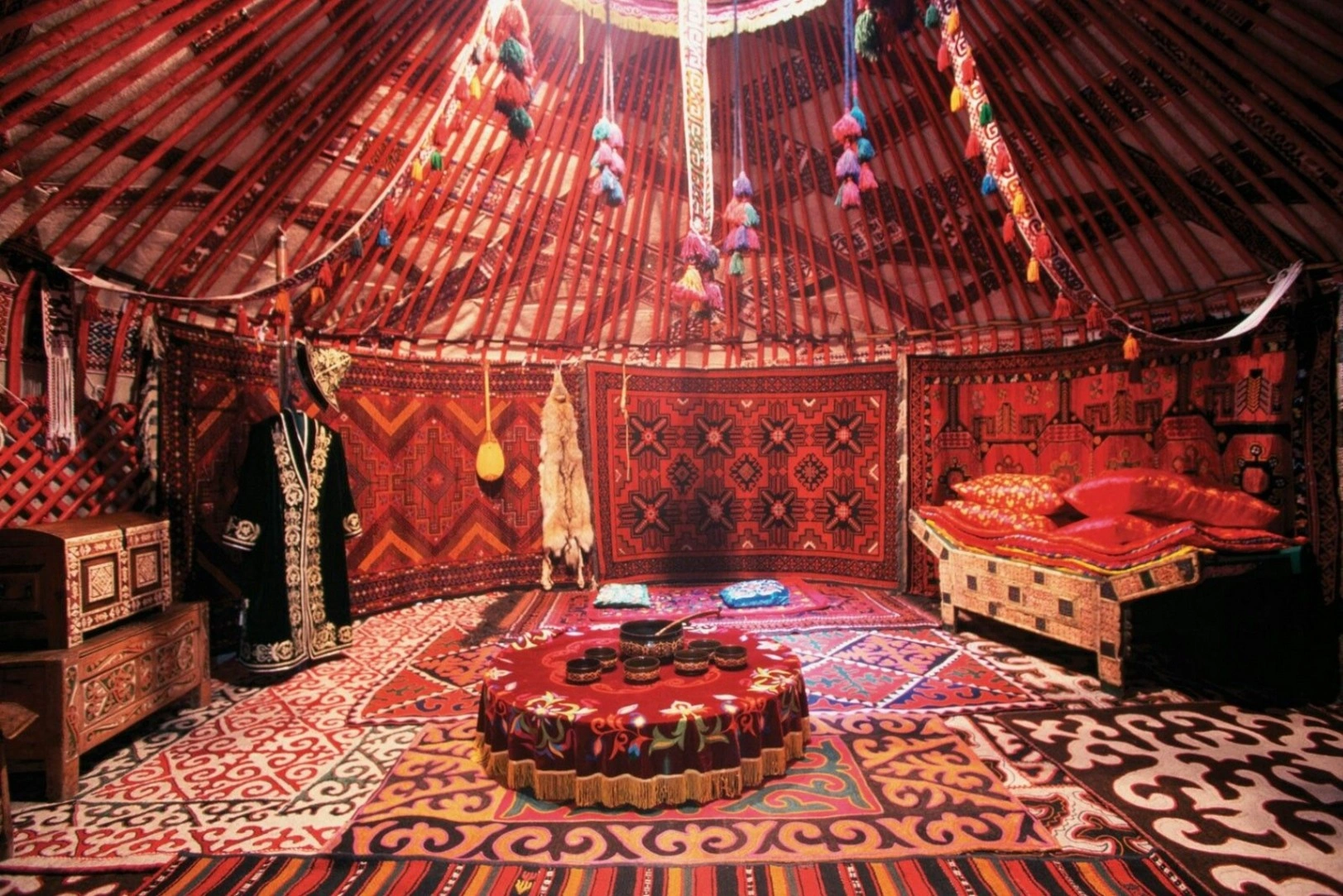
For guests who want to see kok-boru on a date that suits their itinerary, we stage private matches: two local teams, a pitch on a summer pasture or in the foothills, lunch in a yurt and a commentator-guide who explains the action and introduces you to the players. Afterwards you can meet the horses, talk to the riders and even try lifting the carcass from the saddle under a horseman's watchful eye. If your dates line up with a village tournament, we'll take you there instead — nothing beats the energy of a real local festival.

Kok-boru fits naturally into The Way of the Nomad, our deep-dive into Kyrgyz culture, or the Legends of the Tien Shan horse-riding tour. And the perfect end to match day is an evening of Manas epic and komuz music in a yurt. Spring 2027 dates are worth planning now — get in touch with our team and we'll build the match into your route.
Want to see it with your own eyes?
We'll build a route around your dates, pace and budget — guide, transfers and stays included. We reply within a day.
Popular tours
You may also like