Son-Kul at dawn, the red cliffs of Jeti-Oguz, autumn in Arslanbob and nomad life: where and when to shoot in Kyrgyzstan, with a route planned around the light.
Our tours
See allFew places let you shoot a high-altitude lake with not a single power line on the horizon, glaciated peaks, red sandstone and the portrait of a herder who has driven his horses to the same summer pasture for fifty years — all on one trip. Kyrgyzstan does. The catch is that these scenes are spread across the mountains, and the best light lasts about forty minutes. So a serious photo tour here starts not with gear, but with a sunrise schedule.

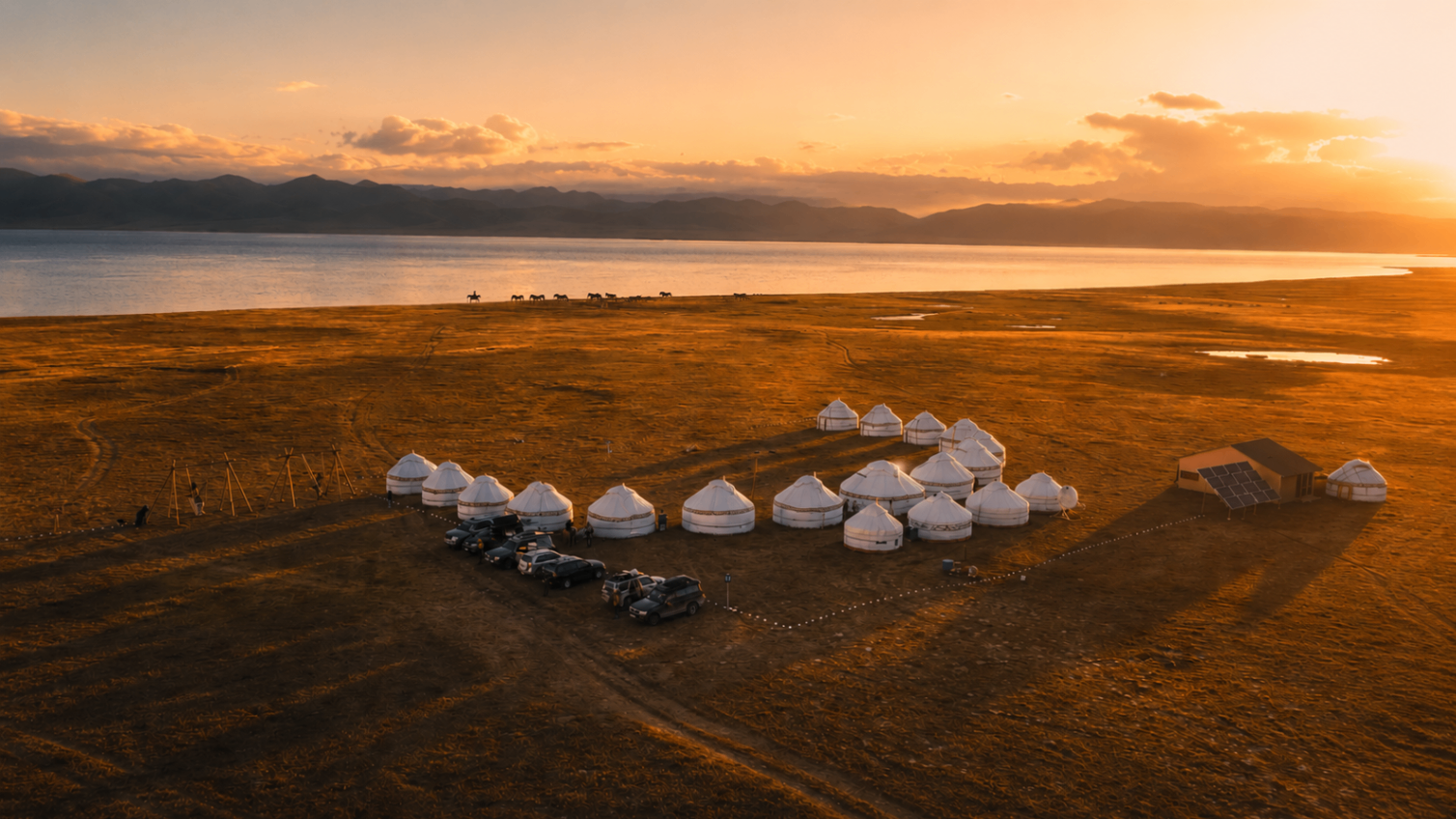
Son-Kul sits on a high plateau just above 3,000 metres, and this is where the Kyrgyz landscape feels most essential: water, grass, yurts and a ridge line. Come between late June and mid-September, when herding families set up their yurt camps and horses graze along the shore. Plan two sessions a day — dawn, when mist hangs over the water and the herds come down to drink, and the blue hour after sunset. On clear nights the Milky Way rises straight over the plateau, so a tripod is non-negotiable. For a slower way to experience the lake, read about our autumn horseback journey to Son-Kul.
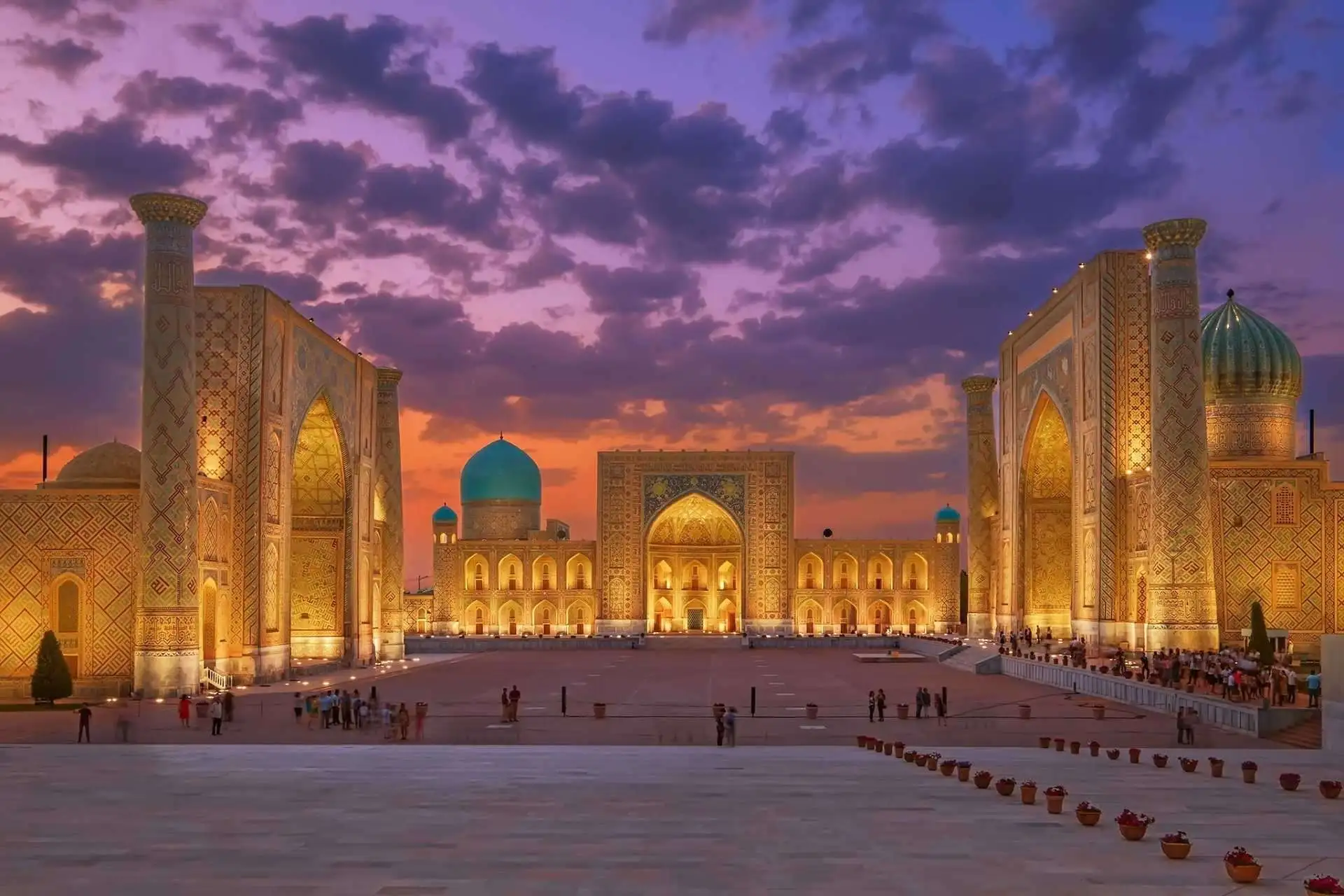
The shores of Issyk-Kul hold the country's most graphic contrasts. In the Jeti-Oguz valley, the red cliffs known as the Seven Bulls and the Broken Heart glow best in the first hours after sunrise, while the spruce forest in shadow stays cool and green. On the southern shore, Skazka Canyon becomes a stage set at golden hour, its eroded ridges throwing long shadows you simply won't get at midday. Our guide to Skazka Canyon and the quiet south shore of Issyk-Kul covers the area in more depth.
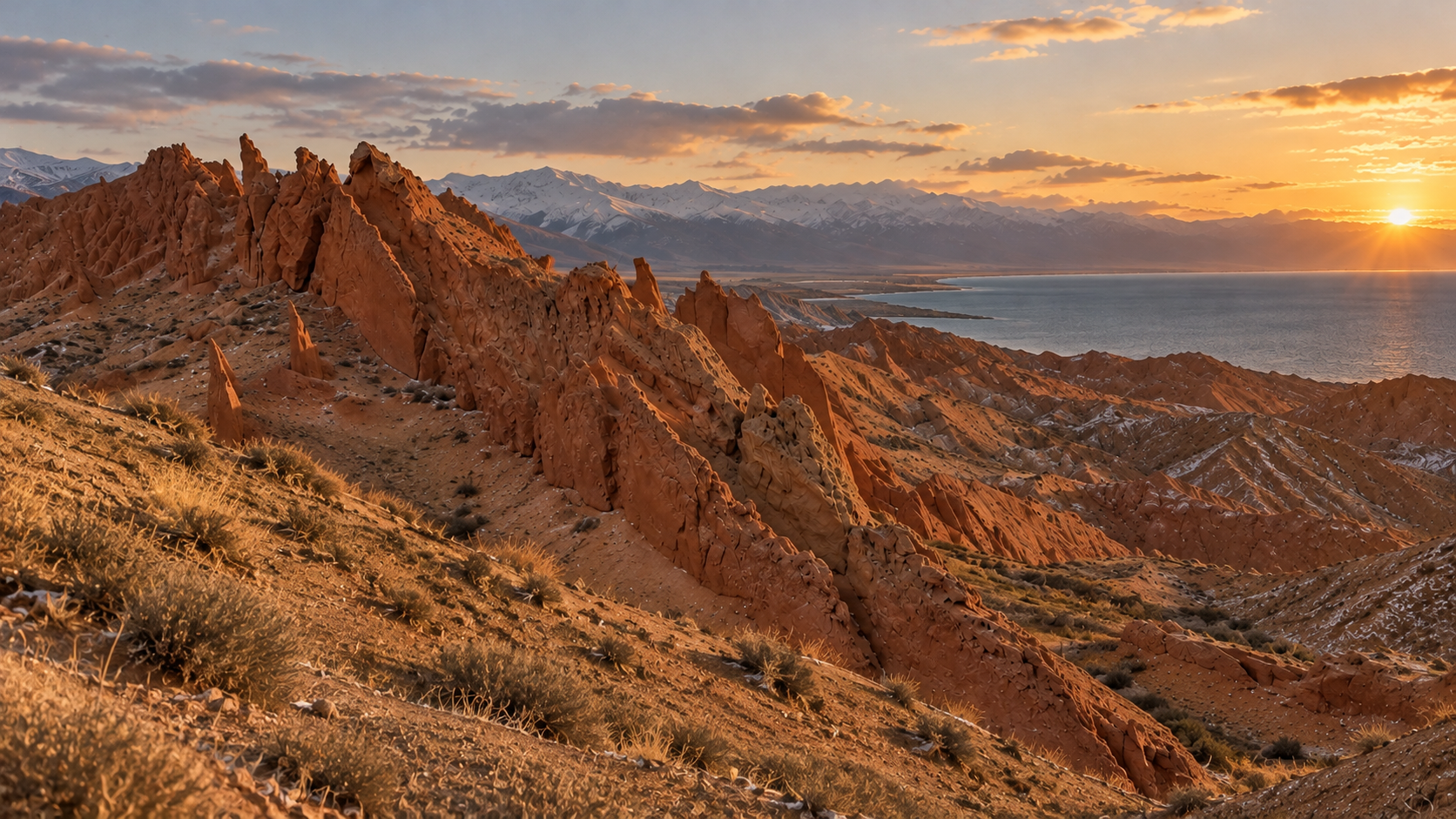
Spring (April–May): flowering foothills, wild tulips and snow still on the peaks — great tonal contrast.
Summer (July–August): nomad life at its fullest, with yurts, herds and every high lake accessible.
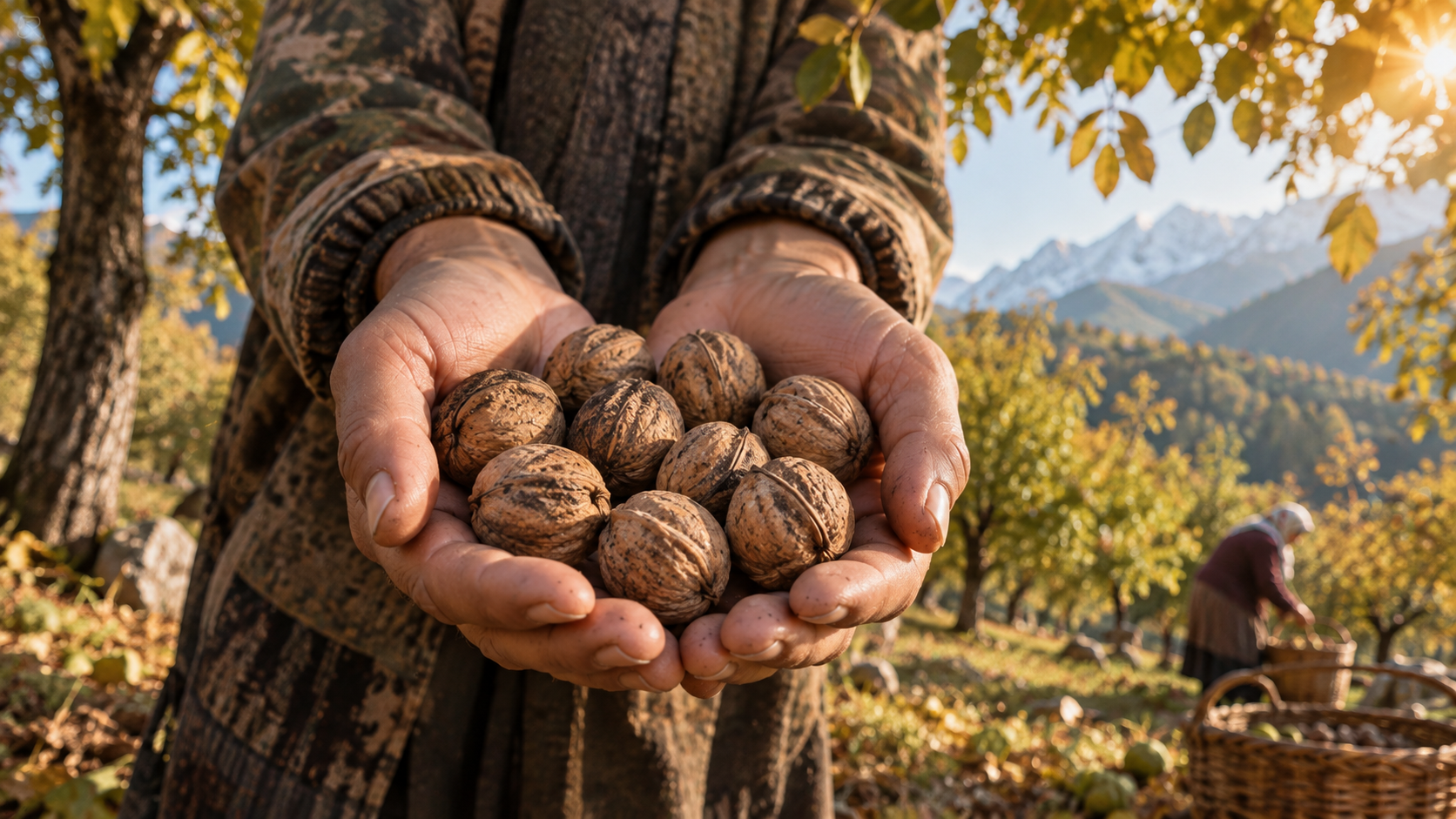
Autumn (late September–October): golden poplars and birches, the walnut forests of Arslanbob, crisp air and soft light for most of the day.
Winter: minimalist snowscapes and mist over the never-freezing Issyk-Kul; bring spare batteries and protect your gear from the cold.
If you're eyeing autumn 2027, start with our story on autumn in the Arslanbob walnut forest — one of the most photogenic corners of the south.
Some of the strongest images you'll bring home will be faces, not landscapes. But a herder on the jailoo isn't a model; he's a host who has welcomed you into his summer home. Tea and conversation come first, the camera second. Ask permission through your guide, show people the image on your screen, and if you promise to send prints, do. The best moments are everyday ones: evening mare milking, bread baked by the hearth, children riding bareback. Eagle hunters are a story of their own — see our piece on hunting with golden eagles.
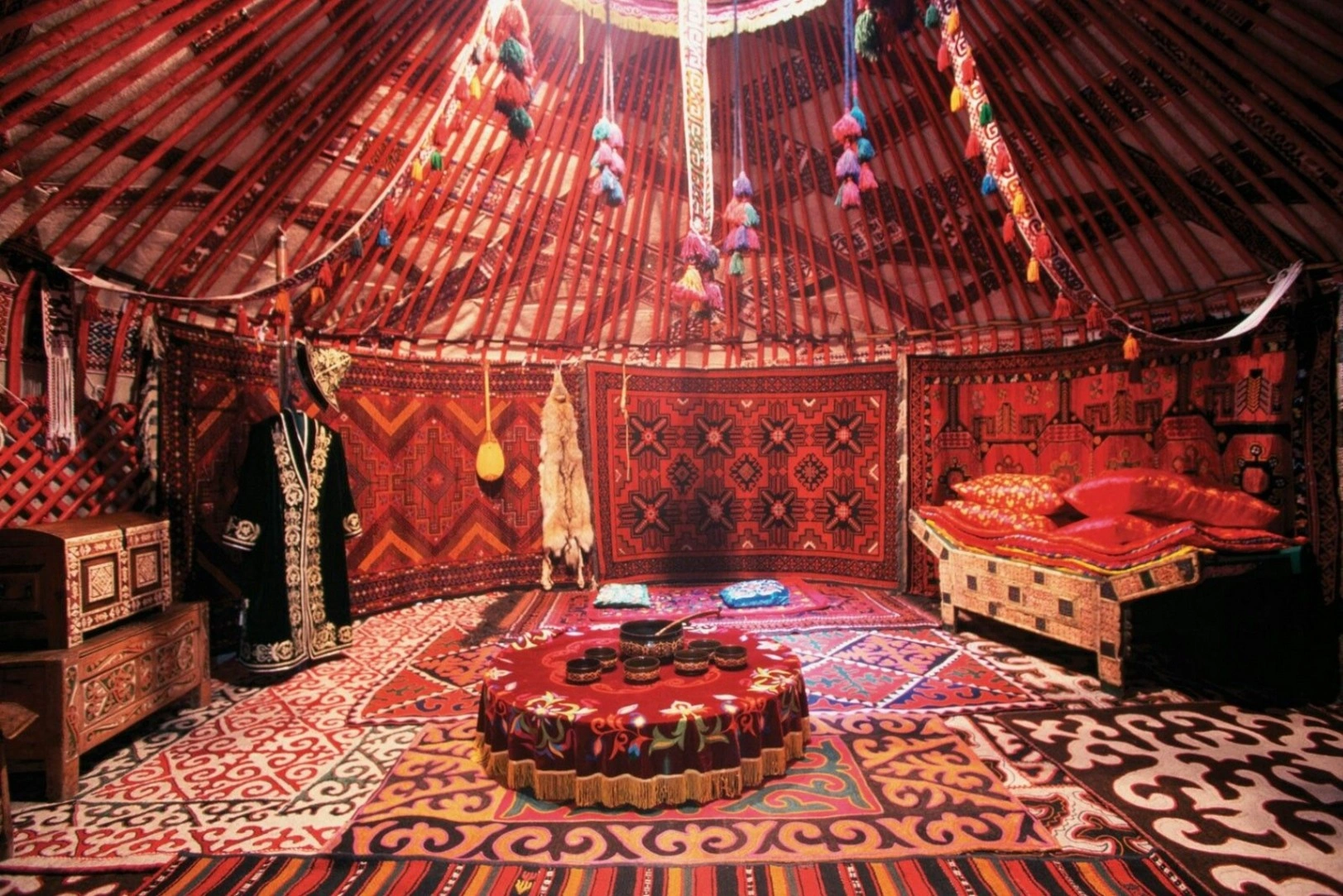
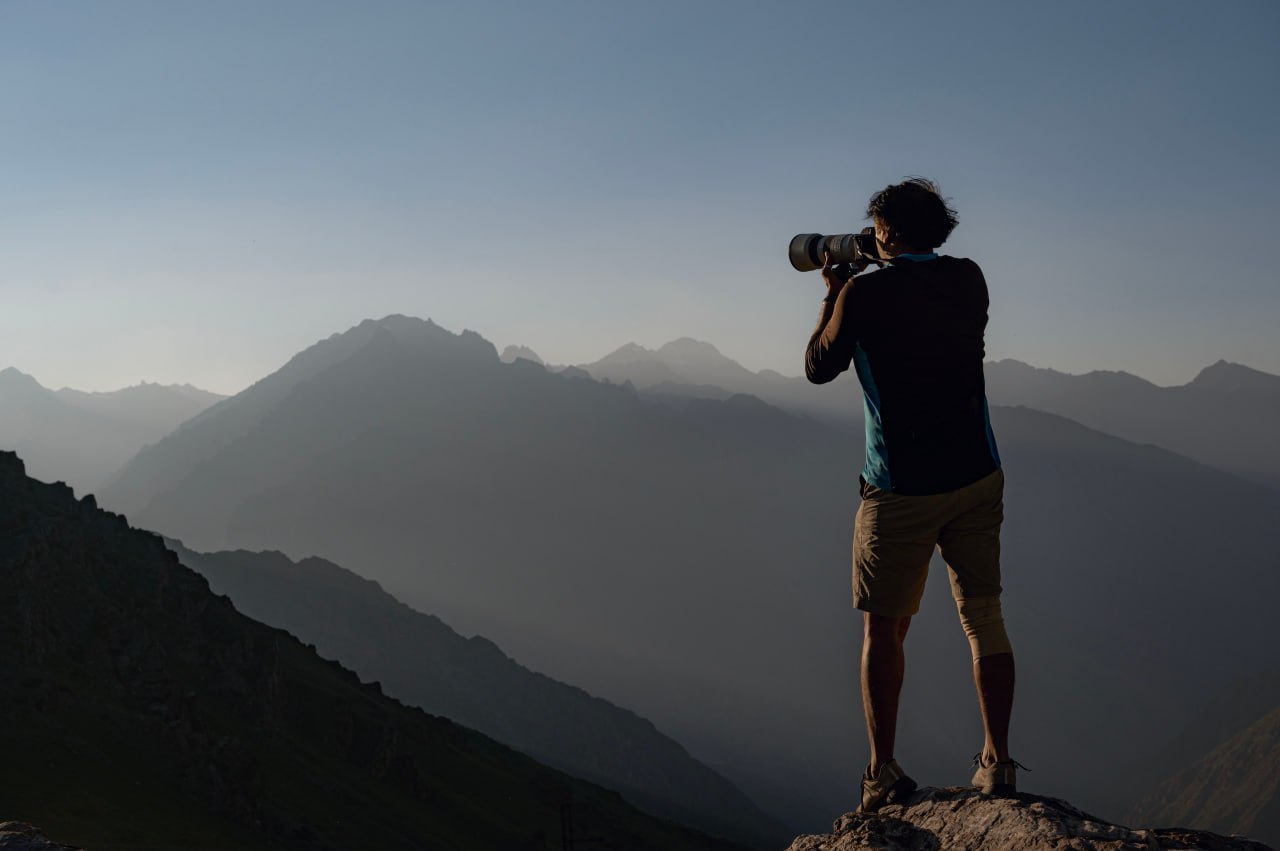
Most tours fit the photographer into the group's timetable. We work the other way round: each day is planned around sunrise and sunset, drives are scheduled for the harsh midday light, and you sleep as close to your locations as possible so mornings aren't lost on the road. Expect a 4x4 with a driver who knows when to pull over, a guide-interpreter for portrait work, buffer days for weather and, where it makes sense, a helicopter to remote lakes. Browse our gallery to see the country through our lens, then get in touch to shape a private photo tour around your style and season.
Want to see it with your own eyes?
We'll build a route around your dates, pace and budget — guide, transfers and stays included. We reply within a day.
Popular tours
You may also like