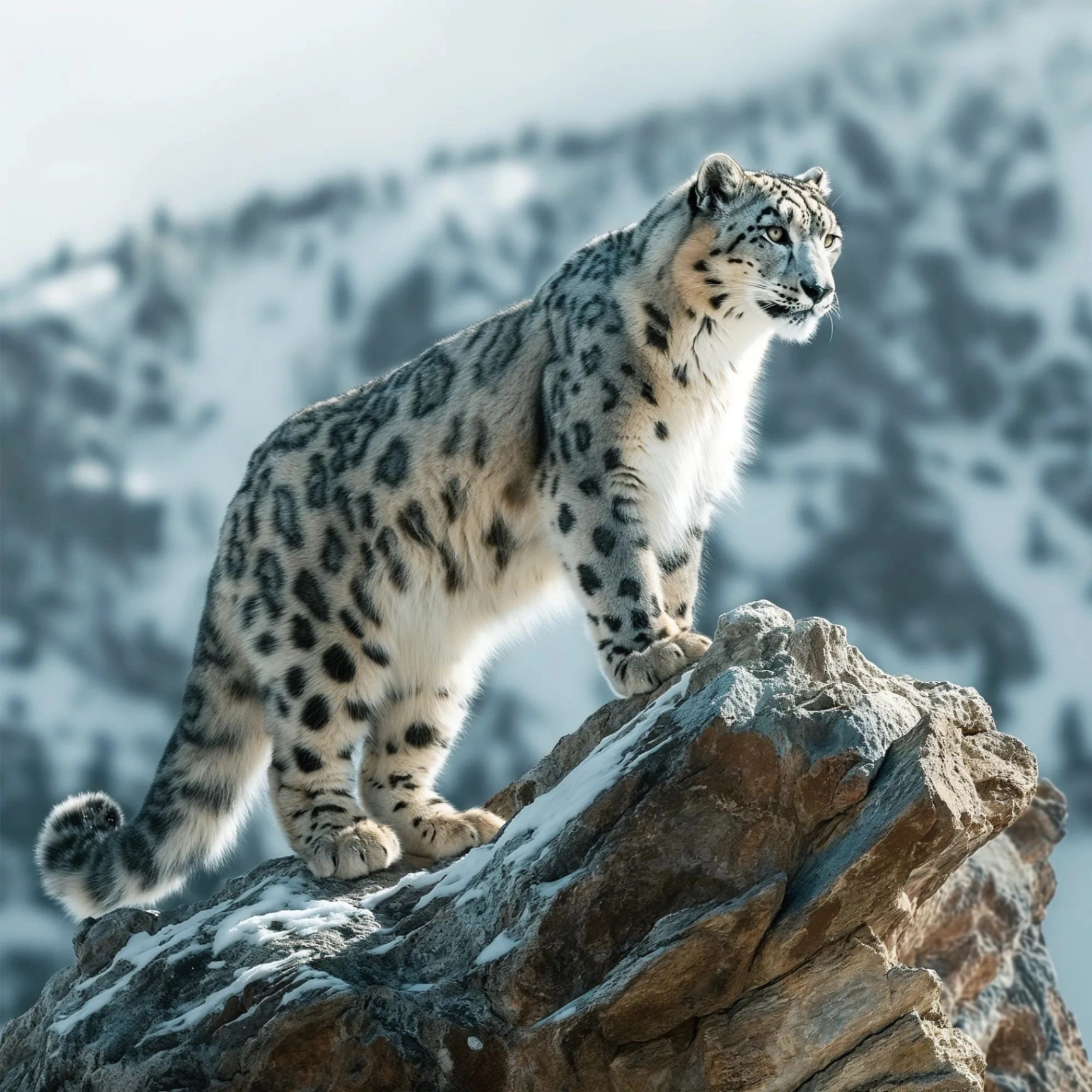
The snow leopard is Kyrgyzstan's emblem. Where to look for its tracks, how camera traps work and how xtravel plans a private expedition with a biologist guide.
Our tours
See allOctober 23 is International Snow Leopard Day, and the date has deep roots in Kyrgyzstan: it was in Bishkek, in 2013, that the snow leopard range countries agreed on a joint plan to protect the cat. The animal sits on the capital's coat of arms and lends its name to mountaineering awards, yet it remains almost invisible. Estimates put Kyrgyzstan's population at a few hundred, and most people who live here have never seen one in the wild.
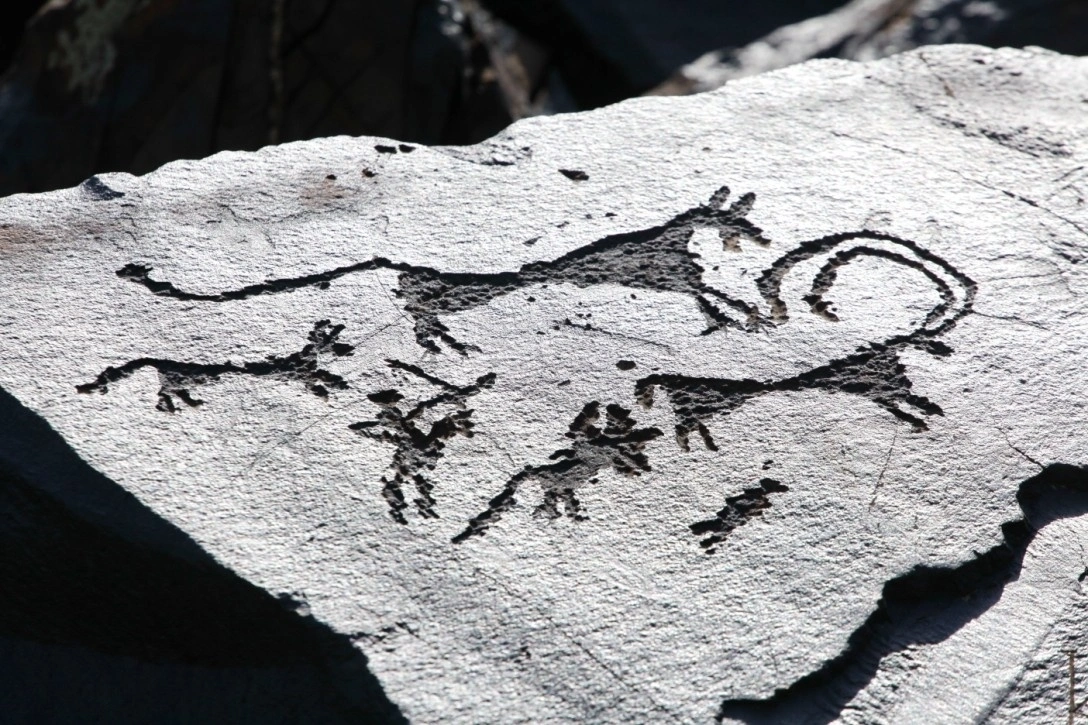
The connection is ancient. Long before writing reached these valleys, people carved the cat's silhouette into stone. A good starting point is the open-air site we described in our piece on the Cholpon-Ata petroglyphs, where the leopard's long tail stands out among ibex and deer.
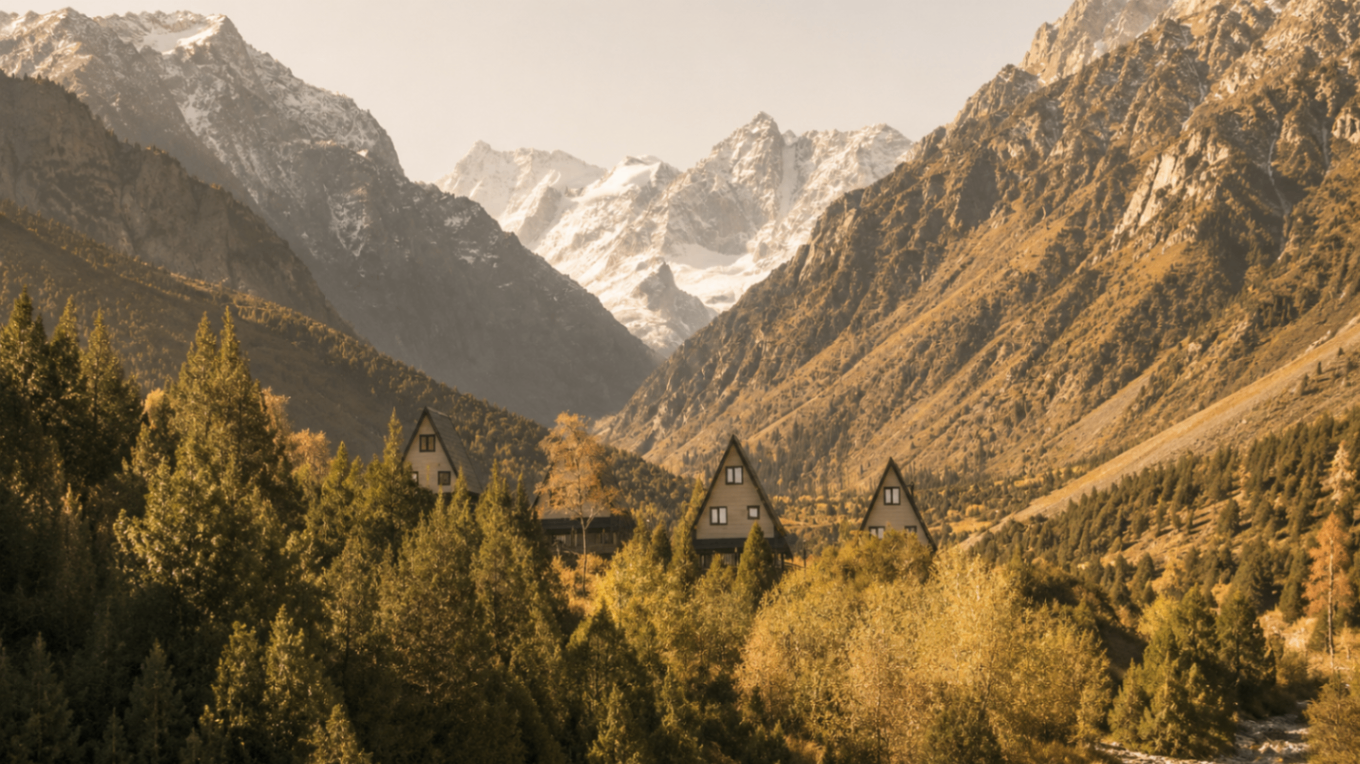
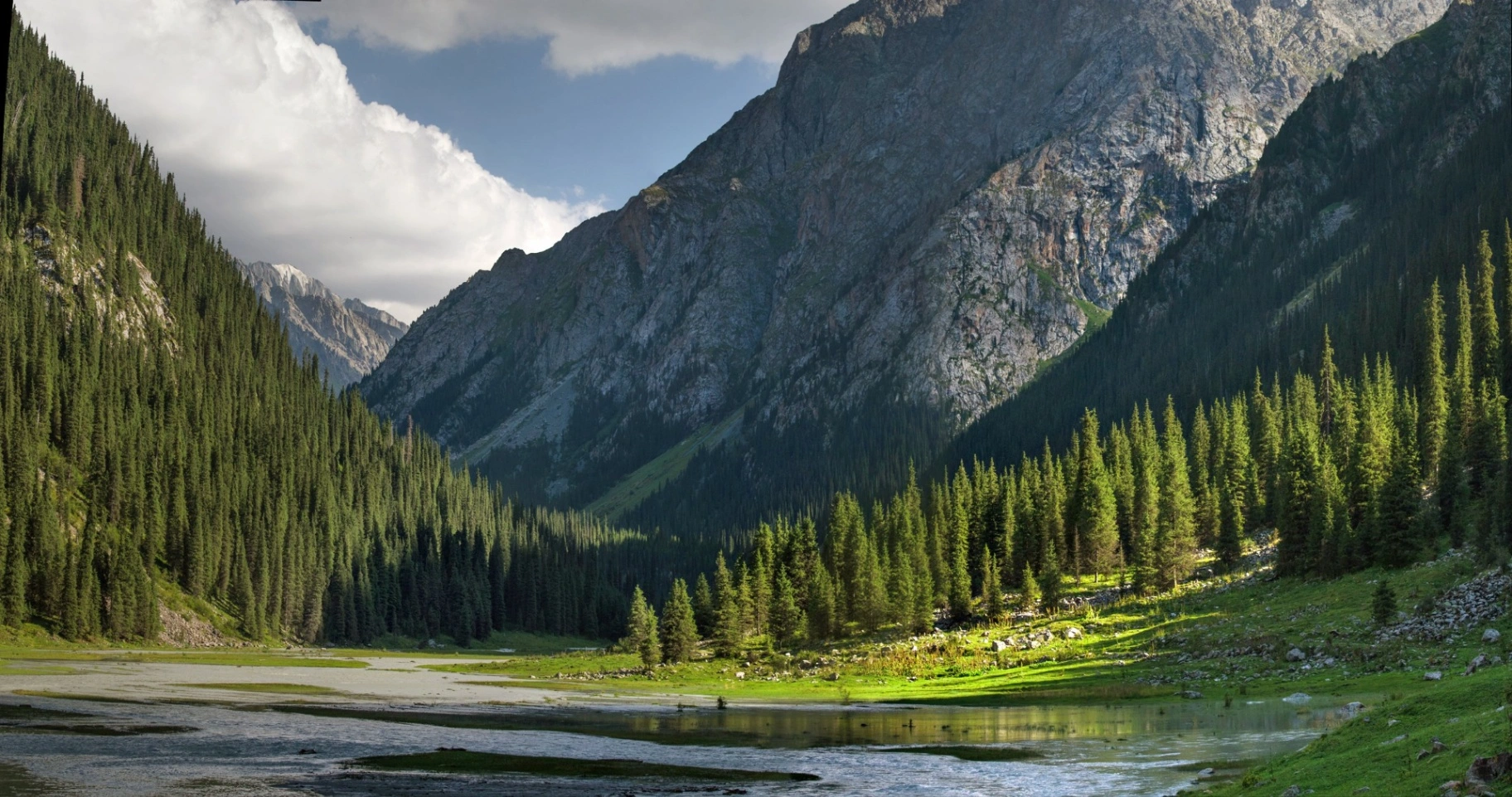
Snow leopards roam between roughly 2,500 and 4,500 metres, following their main prey: Siberian ibex and argali. One of the key areas is the Sarychat-Ertash reserve in the southeast of the Issyk-Kul region, where researchers have run camera-trap surveys for years. Each cat can be identified by its unique rosette pattern, which is how scientists track individuals. If you want the science behind it, the Snow Leopard Trust publishes its fieldwork, including projects in Kyrgyzstan.
We'll be upfront: seeing a snow leopard on a week-long trip is extremely unlikely, and we never promise it. What you can realistically find are fresh tracks in snow, scent marks on rocks, signs of a kill and, with luck, camera-trap footage shared by researchers. Late autumn and winter are the best time: fresh snow records every movement, and ibex move lower with the leopards behind them. In summer, the odds of tracks drop, but herds of ibex and argali are easier to spot.
A snow leopard trip is about respect first. We don't use bait, don't fly drones over wildlife, don't approach kills, and never share the exact locations of camera traps or trails. Much of the high country lies within reserves and the border zone, so permits are arranged well in advance and groups stay small: a couple, a family or a few friends. Part of the cost can go directly to local rangers and conservation work.
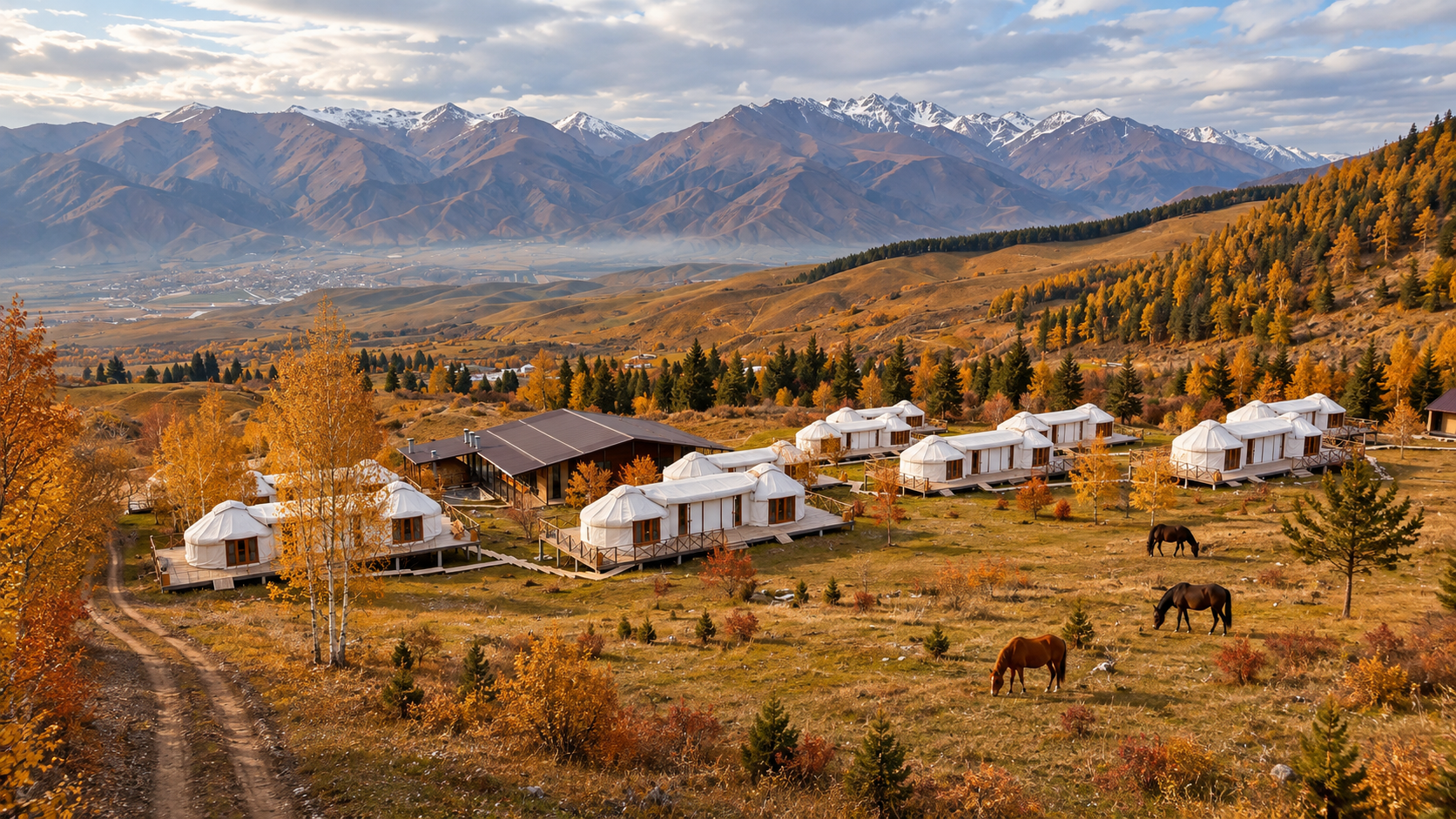
Every trip is led by a biologist guide who works alongside field researchers. We usually start with an easy acclimatisation on Issyk-Kul and in the gorges around Karakol, which pairs well with our six-day Issyk-Kul circuit. From there it's 4x4 runs into the high valleys, nights in heated yurts or a staffed field camp, and, for confident riders, days in the saddle much like our Tian Shan horse-riding tour.
Photographers should bring a 400 mm lens or longer and spare batteries, as the cold drains them fast; our photography guide to Kyrgyzstan covers light and locations in more detail. Planning to track snow leopards in winter 2026/2027? Get in touch with our team early, since permits and the right biologist take time to secure.
Want to see it with your own eyes?
We'll build a route around your dates, pace and budget — guide, transfers and stays included. We reply within a day.
Popular tours
You may also like