Ice-free Issyk-Kul hosts thousands of wintering waterbirds. Where to watch swans and diving ducks, which optics to pack and how a private trip works.
Our tours
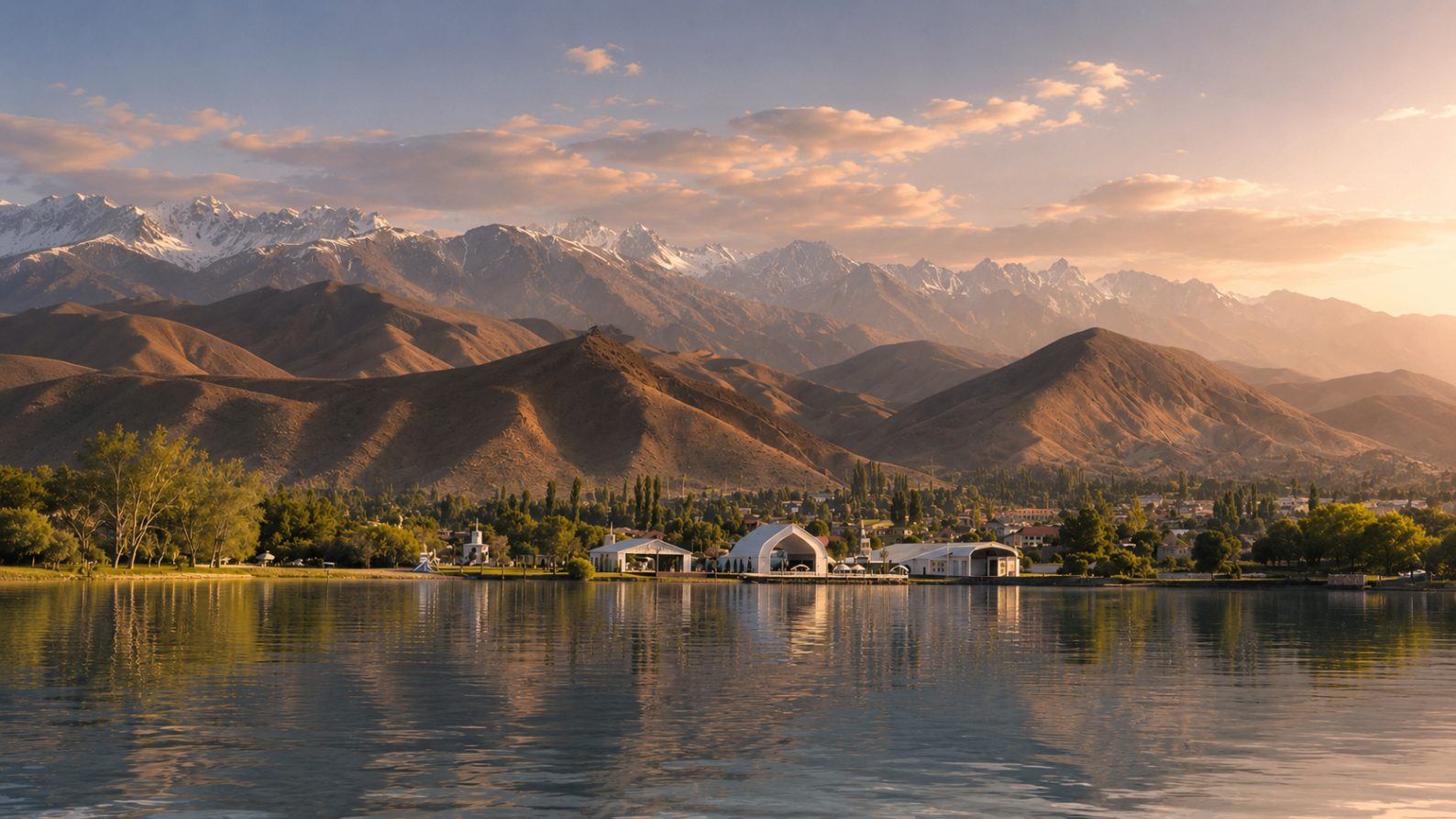
See allWhen the alpine lakes of the Tien Shan lock up under ice, Issyk-Kul stays open. Its depth, sheer volume and slightly saline water keep it from freezing even in January, turning the lake into one of the most important waterbird wintering sites in inner Asia. For birders, that means a rare combination: snow-capped ranges on the horizon, dark water and thousands of birds along the shore — with no crowds at all.
Issyk-Kul sits at roughly 1,600 metres, yet its shoreline stays ice-free all winter and the shallow bays are rich in food. Protecting wintering waterfowl was one of the reasons the Issyk-Kul Nature Reserve was set up back in 1948, and today the lake lies within the Issyk-Kul Biosphere Territory. Numbers peak from December to February, when swans, large rafts of diving ducks, coots, great crested grebes and mergansers gather off the coast.
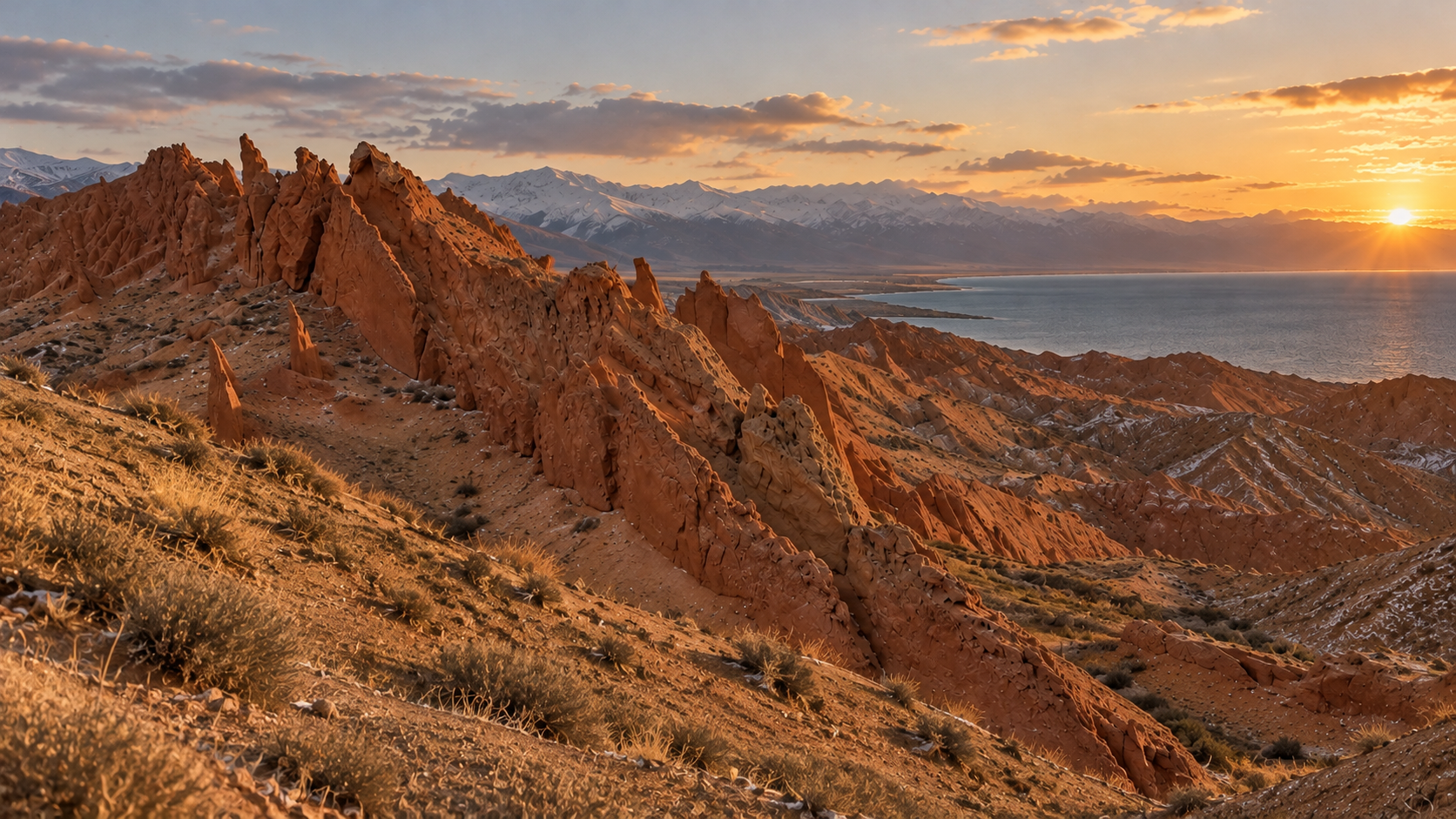
The richest spots are the shallows at the lake's eastern end — the bays around Tyup and the river mouths near Karakol, where fresh water and reed beds provide food and shelter. The quiet south shore between Tamga and Barskoon pairs birding with a walk through Skazka Canyon in soft winter light. The north shore is easier logistically, and on calm mornings duck flocks gather off its beaches too. If you like the idea of a quiet season, read our take on Kyrgyzstan in November and early winter without the crowds.
Bring 8×42 or 10×42 binoculars and, ideally, a spotting scope on a tripod — many flocks sit several hundred metres offshore. Photographers will want 400 mm or longer. Pack gloves with fold-back fingertips and a thermos: the morning breeze off the water bites. Keep a respectful distance, never flush birds for a shot, leave the drone in the bag near flocks and don't feed them bread. In winter, every calorie spent fleeing matters.
We build the day around bird activity: an early start at the water, a hot lunch break, then evening sessions in golden hour. An ornithologist who tracks where the flocks are currently concentrated travels with you, while a driver in a 4×4 handles the logistics. You stay in warm lakeside cottages or hotels — or, for extra comfort, in a winter spa glamping camp on Issyk-Kul with a sauna waiting after a chilly morning.
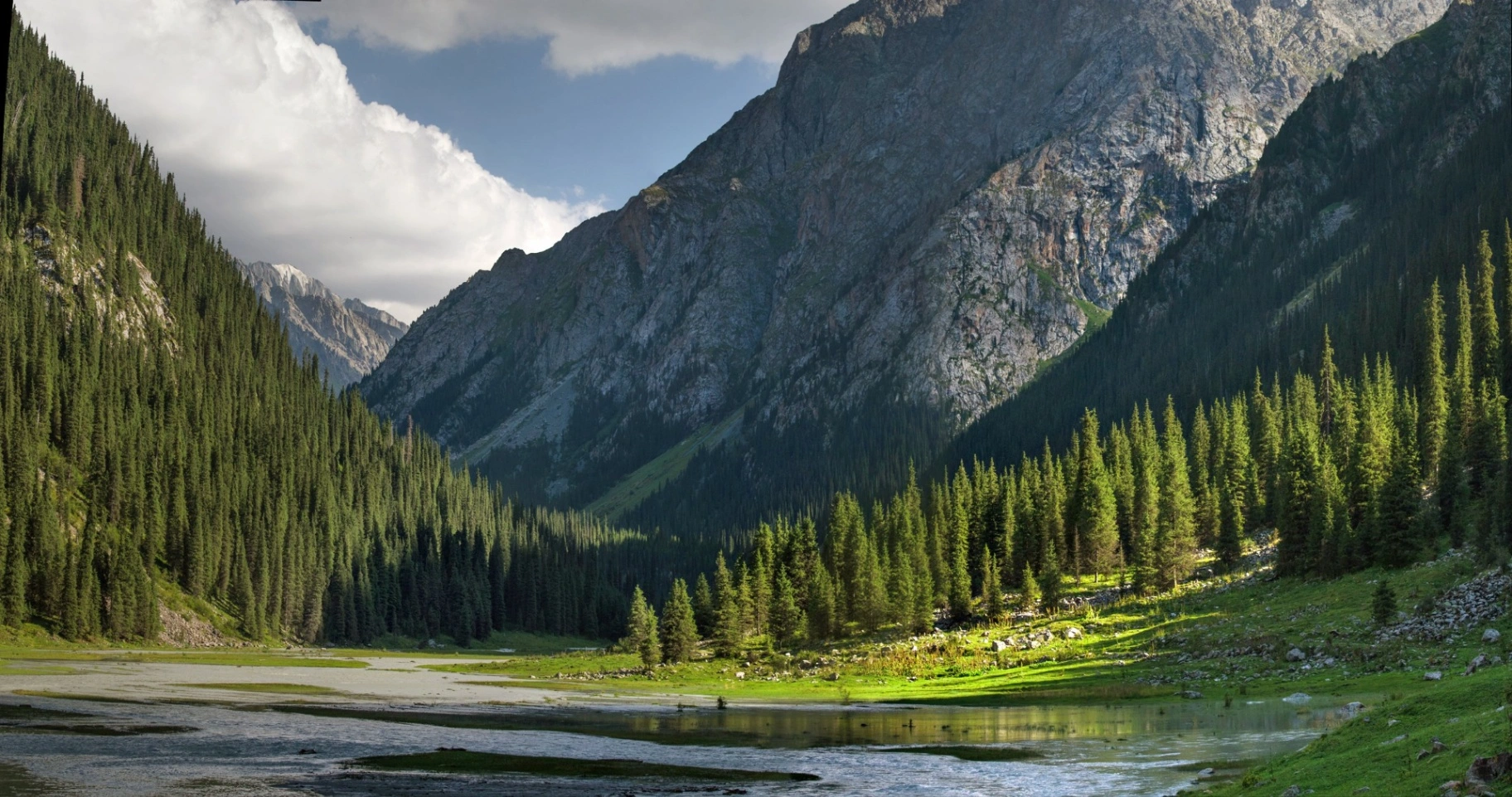
Birding also slots neatly into a broader itinerary, such as The Magic of Issyk-Kul: A Winter Adventure or our relaxed six-day journey around Issyk-Kul, combining the flocks with Karakol, hot springs and mountain gorges. The 2026/2027 season is open for booking — get in touch and we'll match your dates to peak wintering numbers.
Want to see it with your own eyes?
We'll build a route around your dates, pace and budget — guide, transfers and stays included. We reply within a day.
Popular tours
You may also like