




© 2026 All rights reserved.
© 2026 All rights reserved.
Meet Kyrgyzstan's berkutchi eagle hunters on a private xtravel excursion — a centuries-old nomadic art, alive near Issyk-Kul, arranged for discerning travelers.
Our tours
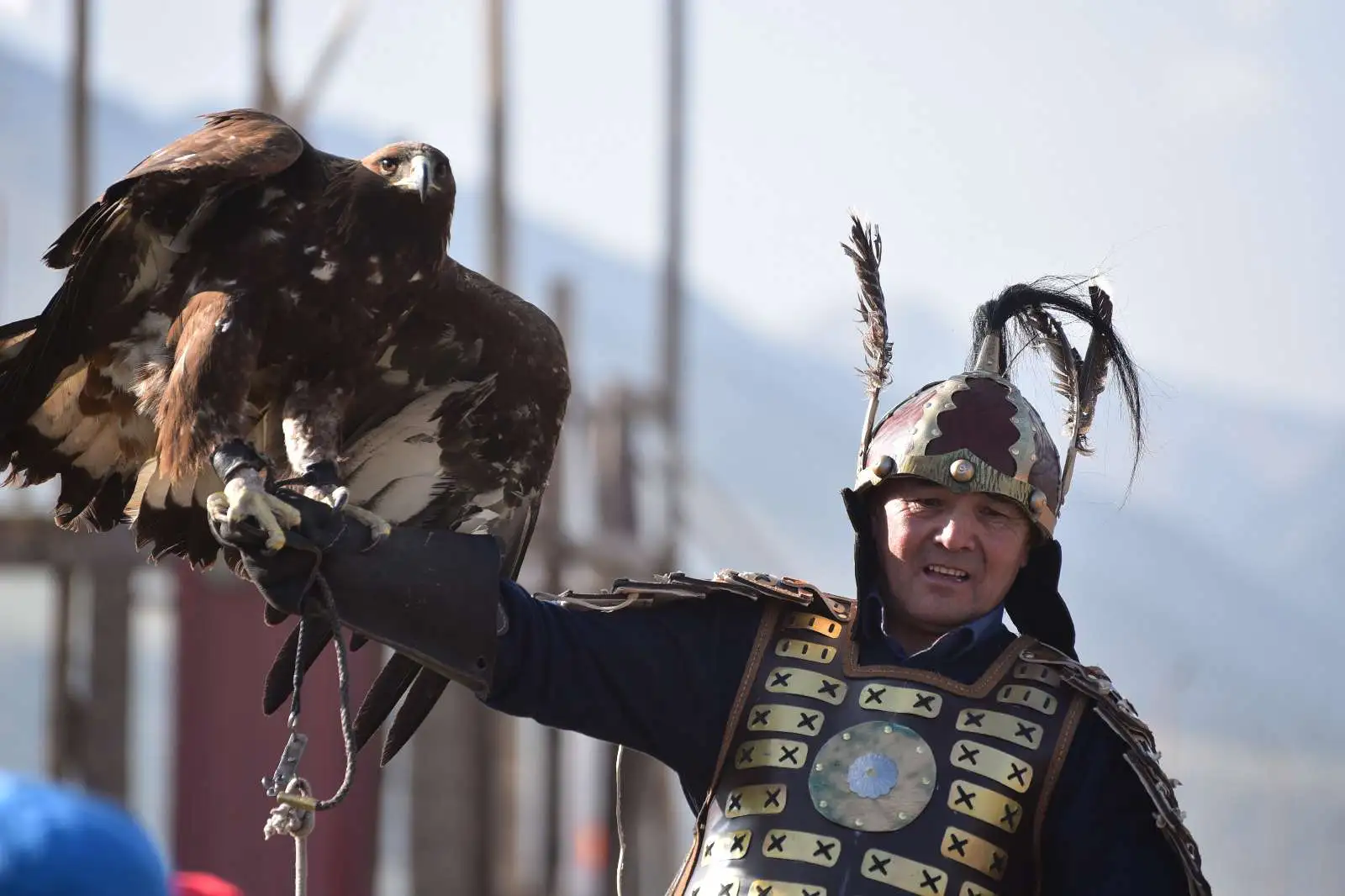
See allDeep in Kyrgyzstan's mountain valleys, a craft older than the Silk Road itself is still practiced today. Berkutchi — eagle hunters — train and fly golden eagles the same way their grandfathers did, in the villages scattered around Lake Issyk-Kul. This isn't a staged performance for cameras; it's a living skill, quietly passed down through families who never stopped needing it. For xtravel guests, meeting a berkutchi is a chance to see nomadic culture up close rather than behind glass in a museum case.
A golden eagle isn't a pet, and it isn't quite a working tool either — it's closer to a partnership earned through patience. Hunters typically take a young eagle from the nest as a chick, or catch one in its first or second year, and then spend months, sometimes years, building trust: teaching the bird to recognize a voice, to return to the glove on command, to hold its nerve around people. The taming process rewards exactly the qualities nomadic life always demanded — steadiness, attentiveness, and time.
Traditional eagle hunting happens in winter, when fresh snow makes tracking easy: the bird scans the ground from the hunter's arm or from horseback and drops on a fox or hare at astonishing speed. In Kyrgyz this broader hunting tradition is known as salbuurun, and it covers more than eagles — it includes hunting with tazy sighthounds too, a full set of mountain survival skills inherited from nomadic ancestors. Salbuurun has found a second life as a competitive discipline at the World Nomad Games, which return in 2026 and once again bring eagle hunters from across Central Asia together for exhibition contests.
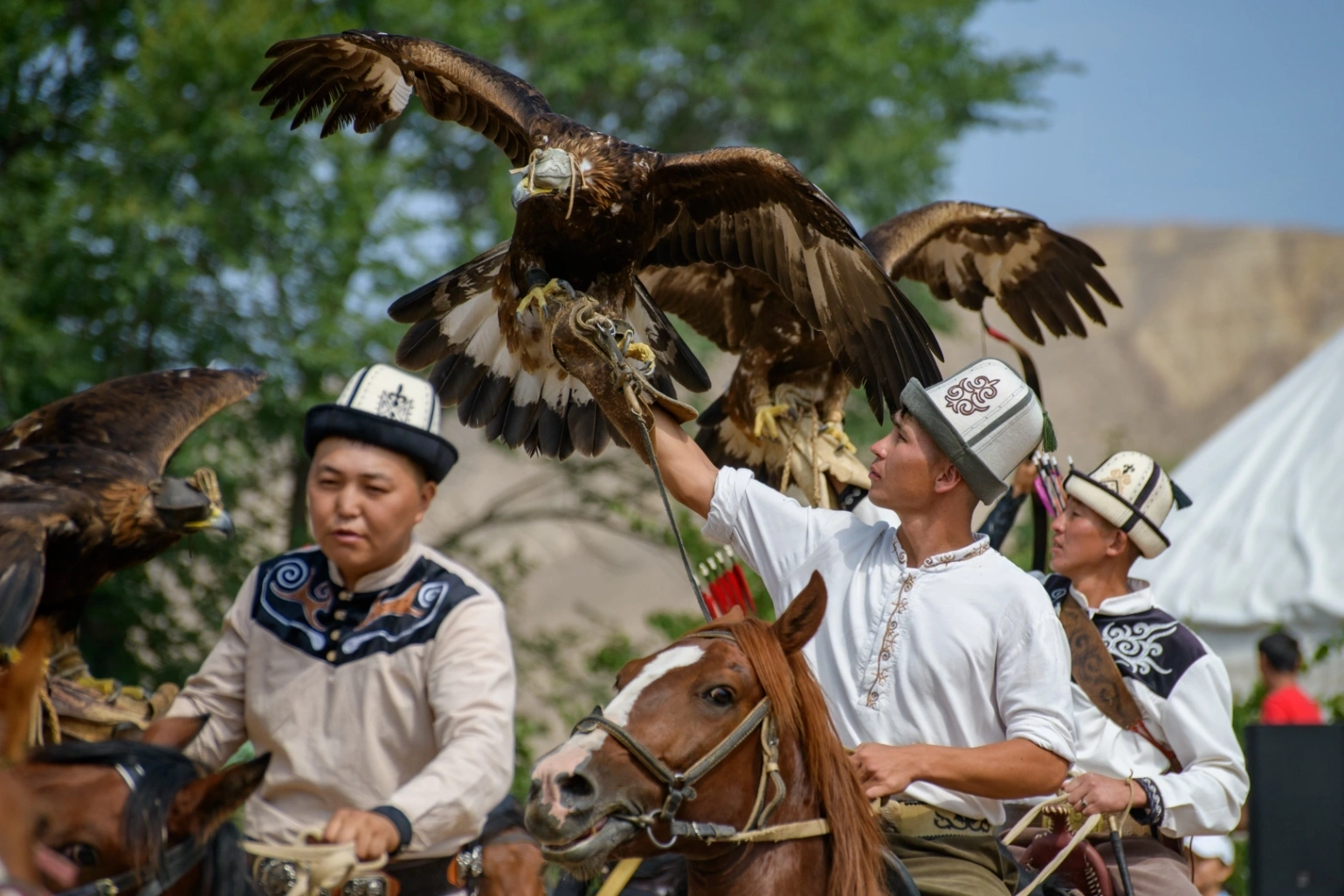
Most of today's hereditary berkutchi families live around Issyk-Kul, particularly near Bokonbaevo and Kyzyl-Suu on the lake's southern shore, where the Teskey Ala-Too range drops almost straight into the water. Hunters historically wintered in exactly this stretch of terrain, and it's still where visitors can catch a rare demonstration: an eagle answering its owner's call, settling onto a thick leather glove, then launching after a lure across open ground. This isn't mass tourism — only a handful of practicing berkutchi remain in the country, and each visit has to be arranged individually and in person.
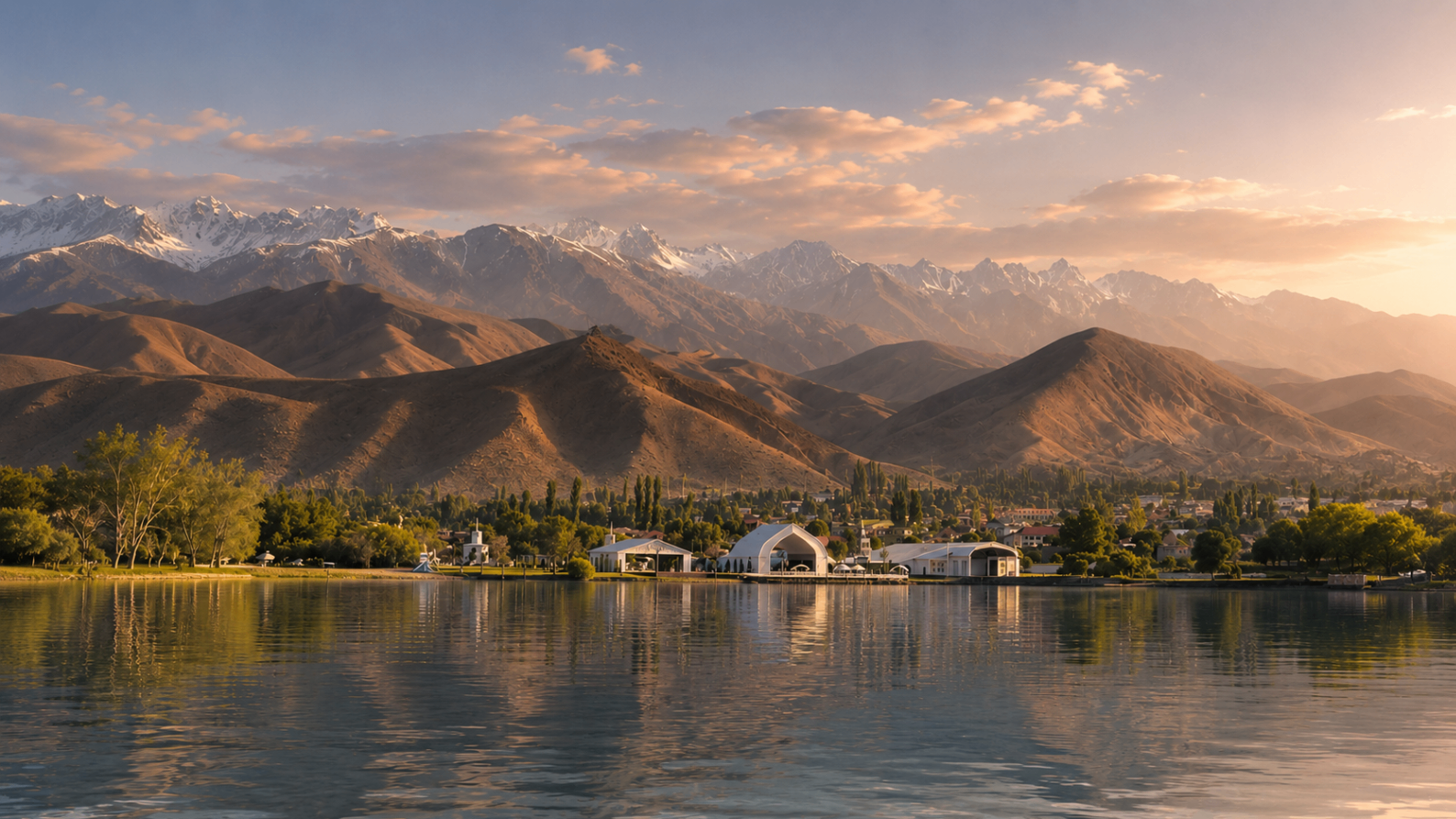
We set up a private encounter with a berkutchi family rather than a scheduled group stop: guests come to the hunter's yurt or home, meet the eagle at close range, hear the story of how it was tamed and what its temperament is like, then watch a demonstration flight against the mountains above Issyk-Kul. On request we build in a horseback ride, a Kyrgyz meal, or tea in the yurt afterward — the itinerary is shaped around the group's own pace and interests rather than a fixed template.
These encounters sit at the heart of how we think about travel in Kyrgyzstan: less about postcard views, more about real people and traditions that have survived on their own terms, without being packaged for display. Eagle hunting is one of the rare cases where a nomadic craft simply kept going — and our guests get to be quiet witnesses to it, rather than an audience for a show.
Want to see it with your own eyes?
We'll build a route around your dates, pace and budget — guide, transfers and stays included. We reply within a day.
Popular tours
You may also like