




© 2026 All rights reserved.
© 2026 All rights reserved.
Summer in Kyrgyzstan: 10 incredible places from Issyk-Kul to Kel-Suu. Routes, accommodation and transport tips for a perfect trip.
Our tours
See allIn summer, a single trip to Kyrgyzstan can take you from a swim in Issyk-Kul to a night in a yurt and a hike beneath snow-covered peaks. Wildflowers brighten the mountain pastures, horses graze beside the roads, and evening light lingers over the lakes. A 10–14-day trip gives you time to explore several regions, with room for walks and relaxation along the way. We have chosen ten places to consider for your summer itinerary. Keep distances in mind when planning: mountain journeys can take much of the day.
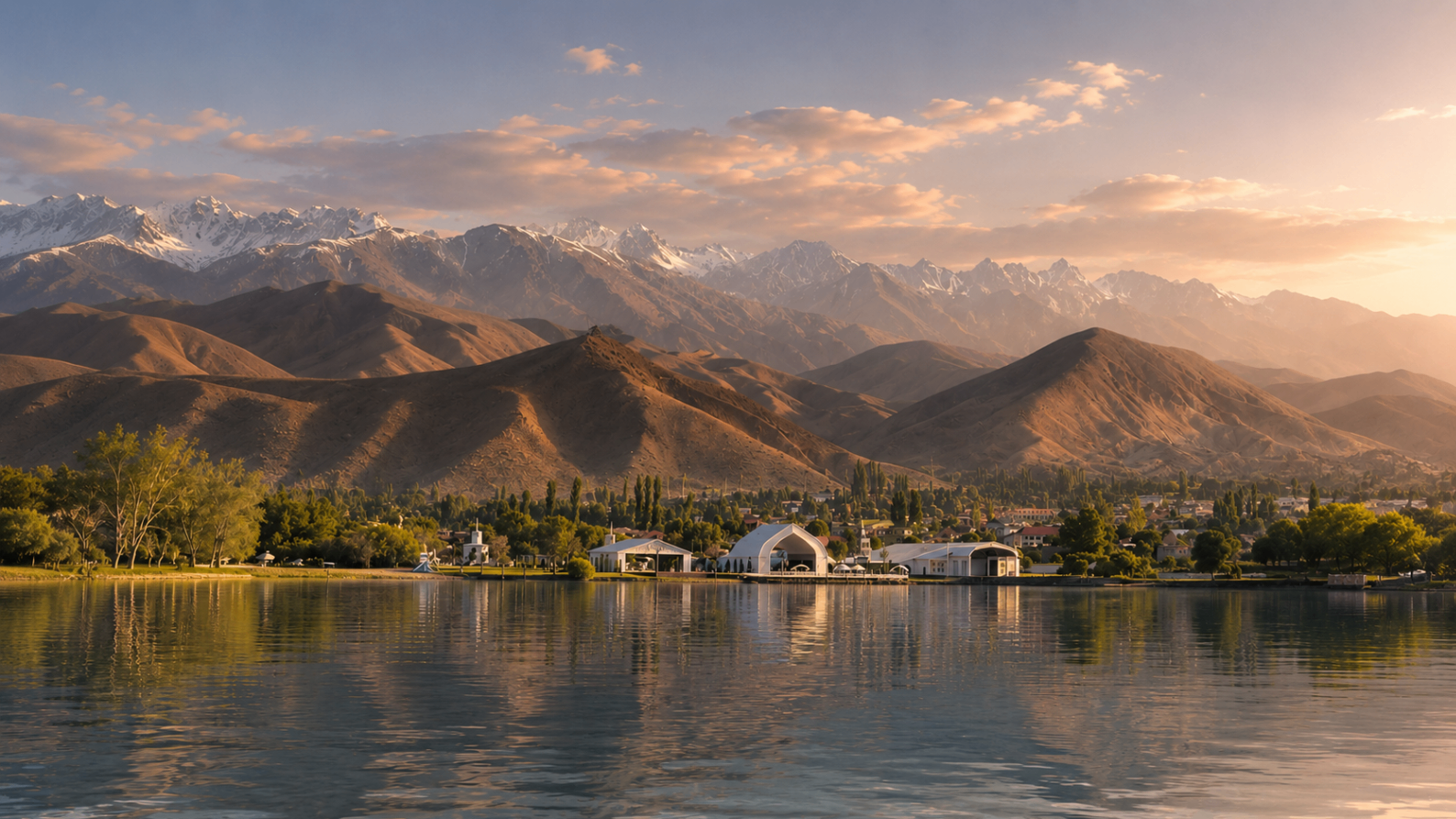
Issyk-Kul makes it easy to combine days by the water with trips into the surrounding gorges. On the northern shore, Cholpon-Ata, Bosteri and Tamchy offer a wide choice of hotels, resorts and beach activities. On the southern shore, in Kaji-Say, Tosor and Tamga, you can stay in a guesthouse or yurt camp and explore nearby canyons and waterfalls. Karakol lies near the eastern end of the lake and is a convenient base for visiting Jeti-Oguz, Altyn-Arashan and Karakol Gorge.
Son-Kul is a place of wide-open views: a vast lake, gently rising mountain ridges, herds of horses and yurts scattered across green pastures. Go horse riding, try kumys, the traditional fermented mare’s milk, and watch the sunset by the water. The main travel season runs from June to September, although road access depends on snow conditions at the passes. One route leads from Kochkor over Kalmak-Ashuu Pass. Choose a vehicle suited to the road conditions and check your camp’s facilities before booking. Temperatures can fall below freezing even in July, so bring a warm jacket.
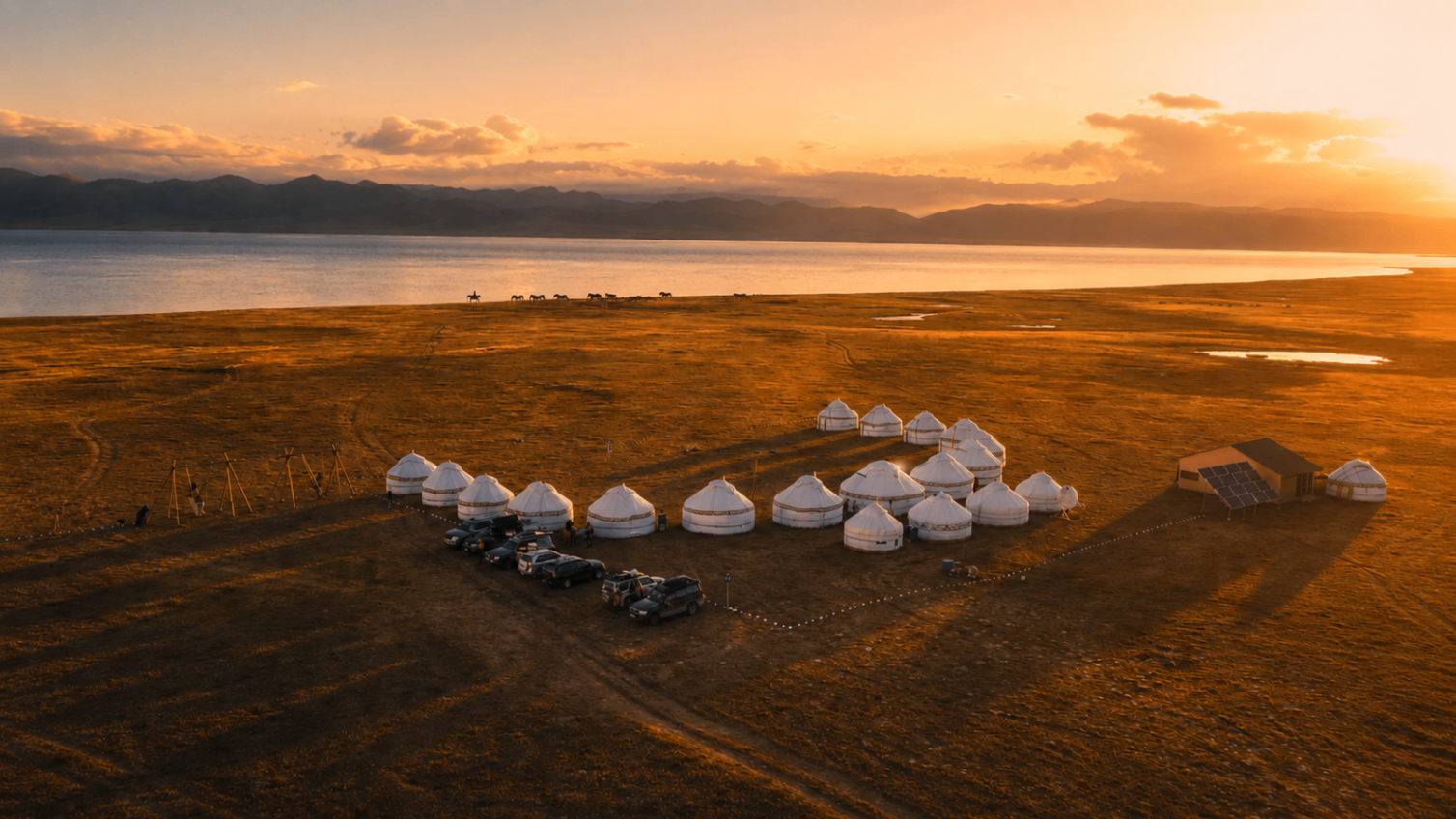
Kel-Suu lies deep in the mountains of Naryn Region, at around 3,500 metres near the Chinese border. The narrow lake winds between cliffs, with only part of its course visible from the shore. From Naryn, travel by 4×4 to the yurt camps in the Kok-Kyya Valley, then continue to the lake on foot or horseback. Allow two or three days from Naryn for the drive and the walk to the lake. A border-zone permit must be arranged in advance. Yurt camps offer overnight accommodation, so you do not have to bring your own tent.
Sary-Chelek lies in western Kyrgyzstan, in Jalal-Abad Region. Dense forests cover the slopes, and the still water reflects the trees and mountains. The lake is part of a biosphere reserve that protects forests of walnut and wild fruit trees, along with several smaller lakes. Stay for a couple of days to explore the permitted trails and choose a route with a local guide. Guesthouses are available in the village of Arkyt. Check visitor rules and accessible routes with the reserve administration.
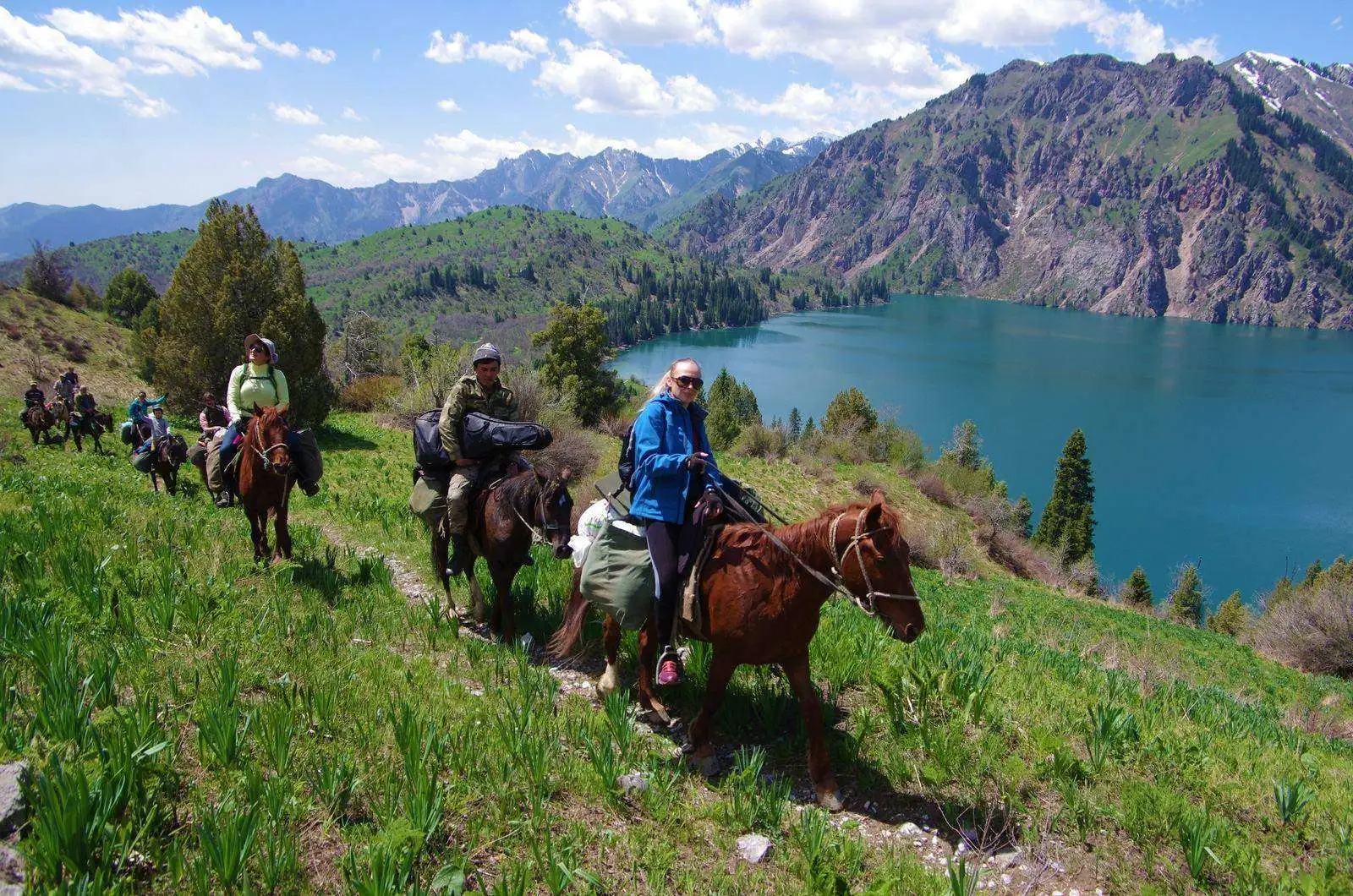
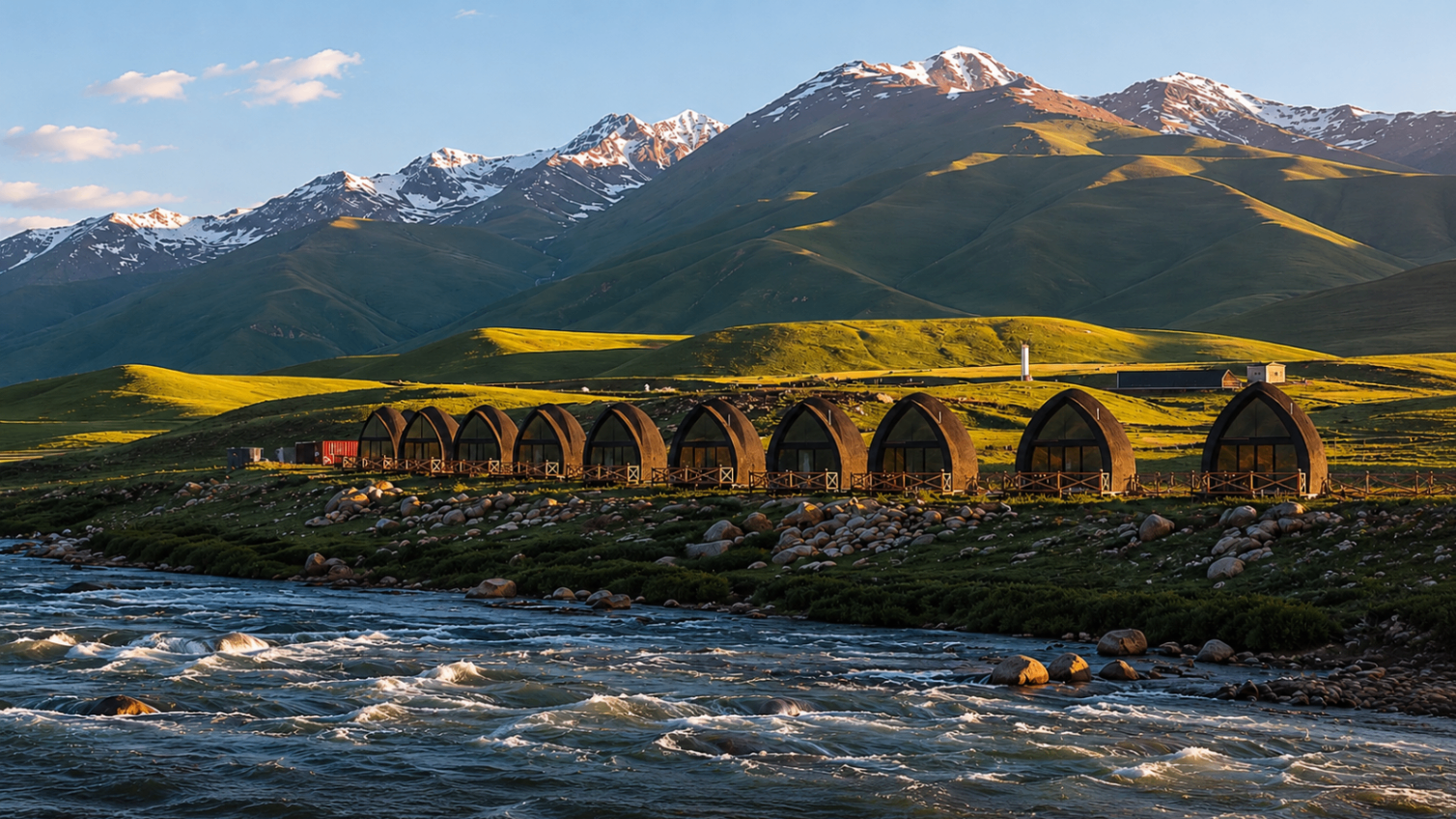
Around 40 kilometres south of Bishkek, Ala-Archa welcomes you with a rushing river, juniper-covered slopes and snowy peaks. For a relaxed day, take a walk along the valley. The trail to Ak-Sai Waterfall is more demanding: allow two to three hours for the ascent from the mountaineering camp, plus time for the return. Higher up, a more challenging mountain trail leads to Ratsek Hut. Glacier excursions require preparation, suitable equipment and a qualified guide. Check current park fees and vehicle access arrangements before your visit.
Beyond Too-Ashuu Pass, the broad Suusamyr Valley opens out before you. In summer, its pastures turn green, yurts appear beside the road, and herds of horses graze across the slopes. It is a good place to break the journey from Bishkek to southern Kyrgyzstan: stop for lunch, take a walk or arrange an overnight stay in advance. Stay until evening and, on a clear, moonless night away from artificial lights, you can enjoy wonderful views of the stars. The valley lies above 2,000 metres, so temperatures drop quickly after sunset. Allow extra time for the mountain drive.
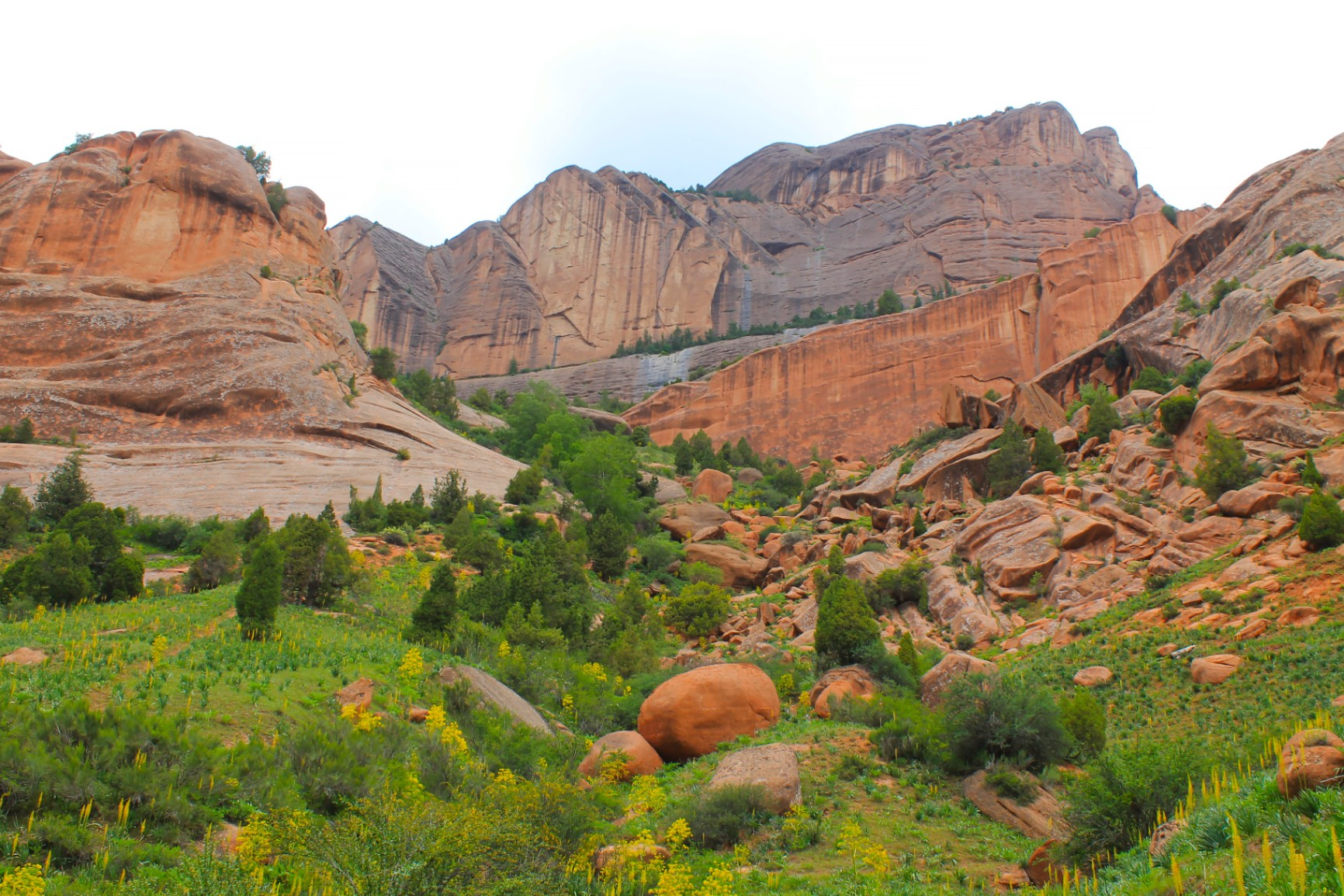
On the southern shore of Issyk-Kul, near the village of Tosor, wind and water have shaped colourful rock into towers, ridges and winding passages. Between the formations, views open out towards the lake. Allow an hour or two to explore Skazka, also known as Fairy Tale Canyon, choosing paths that suit your fitness and confidence. In summer, mornings and the hours before sunset are more comfortable for walking, with cooler temperatures and richer red and golden colours. Bring water and footwear with good grip. Clay sections can be slippery after rain; check the current entrance fee before visiting.
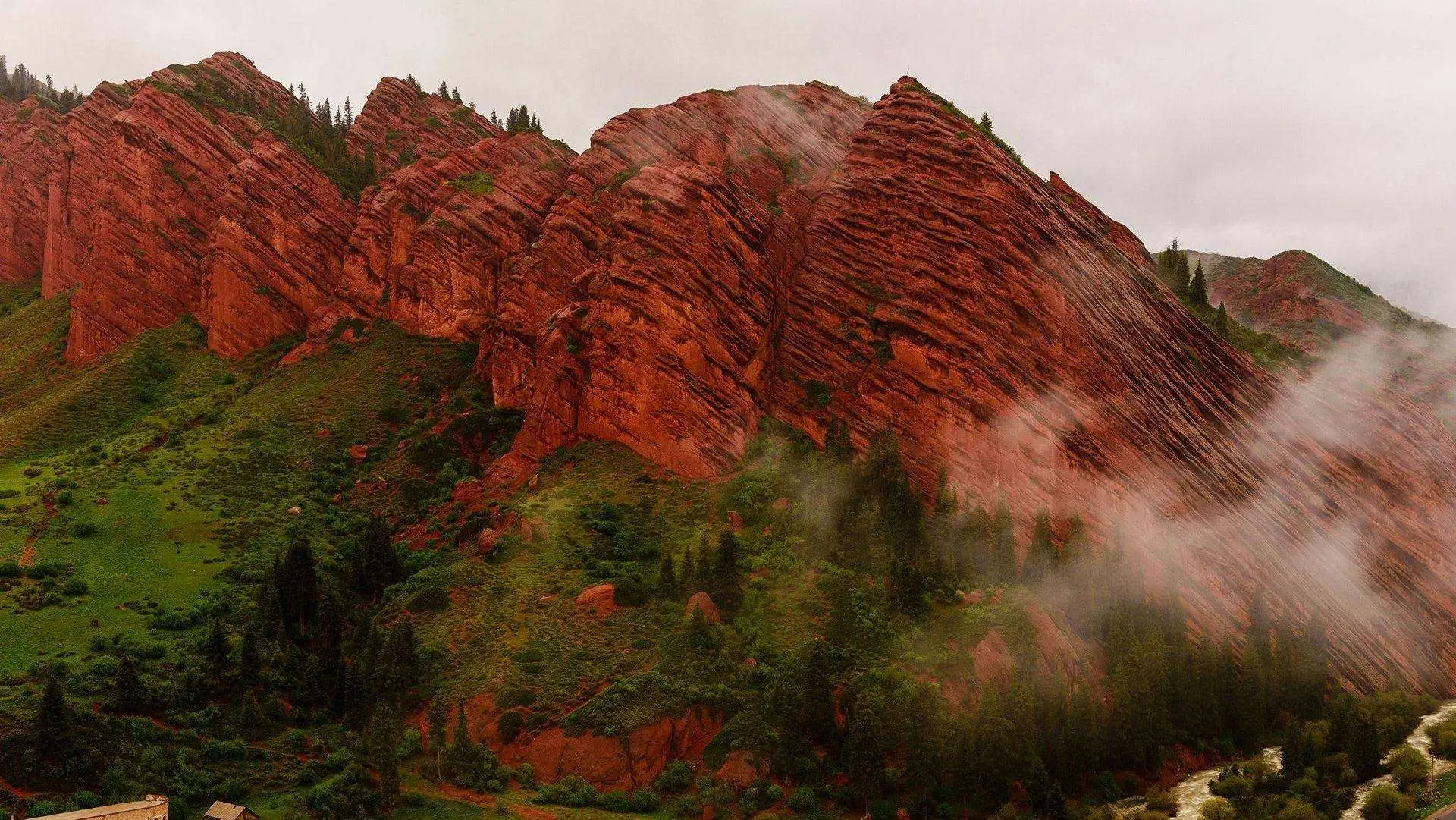
The red rock formations known as the Seven Bulls and the Broken Heart greet you at the entrance to the gorge. Further along, the scenery changes as the road follows the river past spruce trees and green clearings. To explore beyond the famous rocks, continue to Kok-Jaiyk Valley, often called the Valley of Flowers. This is the starting point for the walk to Maiden’s Braids Waterfall. Allow around an hour and a half to two hours for the return walk, plus travel time to the meadow. In summer, you can stay at a yurt camp or arrange a horse ride.
Arslanbob is worth a longer stay for walks beneath walnut trees, mountain views and home-cooked dinners at local guesthouses. The village, in Jalal-Abad Region, is surrounded by extensive forests of walnut and wild fruit trees. Two well-known waterfalls lie nearby. The Small Waterfall is easier to reach, while the hike to the Big Waterfall takes longer and includes steep sections. Choose your route according to your fitness and the weather. The walnut harvest takes place in autumn; summer is a time to enjoy green landscapes, cool woodland walks and a glimpse of local life.
The stone caravanserai of Tash-Rabat stands in a mountain valley in Naryn Region. Its cool corridors and vaulted rooms recall the days of caravans travelling along the Silk Road. Nearby yurt camps offer overnight stays. A trip to Lake Chatyr-Kul requires separate planning, taking the chosen route and the group’s fitness into account. The lake lies at around 3,530 metres within a protected natural area that is important for waterbirds. Visits to the lake require advance arrangements for the route and the necessary permissions, including a border-zone permit.
Transport: a standard car is suitable for the main roads, while rough dirt tracks require a 4×4. Factor mountain passes, stops and road conditions into your driving times.
Acclimatisation: gain altitude gradually, especially before sleeping above 3,000 metres. If you develop a headache or nausea after ascending, do not go higher. If symptoms worsen, descend and seek help.
Money: take cash in Kyrgyz som before heading into the mountains. Card acceptance depends on the business and your bank, and remote areas may have no ATMs.
Mobile coverage: reception varies from valley to valley, not just between operators. Download maps in advance, bring a power bank and check coverage along your route.
Insurance: choose a policy that covers your planned activities and the altitude you will reach. For remote mountain travel, check the terms for search and rescue and medical evacuation, including helicopter evacuation.
A summer trip to Kyrgyzstan can bring together beach days, mountain hikes, evenings in a yurt and walks through the forest. July and August suit many high-altitude routes. Travel continues into September, although access to mountain passes depends on the weather. Explore our itineraries and discuss your trip at xtravel.kg.
Want to see it with your own eyes?
We'll build a route around your dates, pace and budget — guide, transfers and stays included. We reply within a day.
Popular tours
You may also like