





© 2026 All rights reserved.
© 2026 All rights reserved.
The snow leopard petroglyph in Cholpon-Ata is one of the most mysterious ancient rock carvings near Issyk-Kul. What does this symbol of the ancient nomads mean?
Our tours
See allOn the northern shore of Issyk-Kul Lake, near the town of Cholpon-Ata, lies the famous Cholpon-Ata Petroglyph Museum.
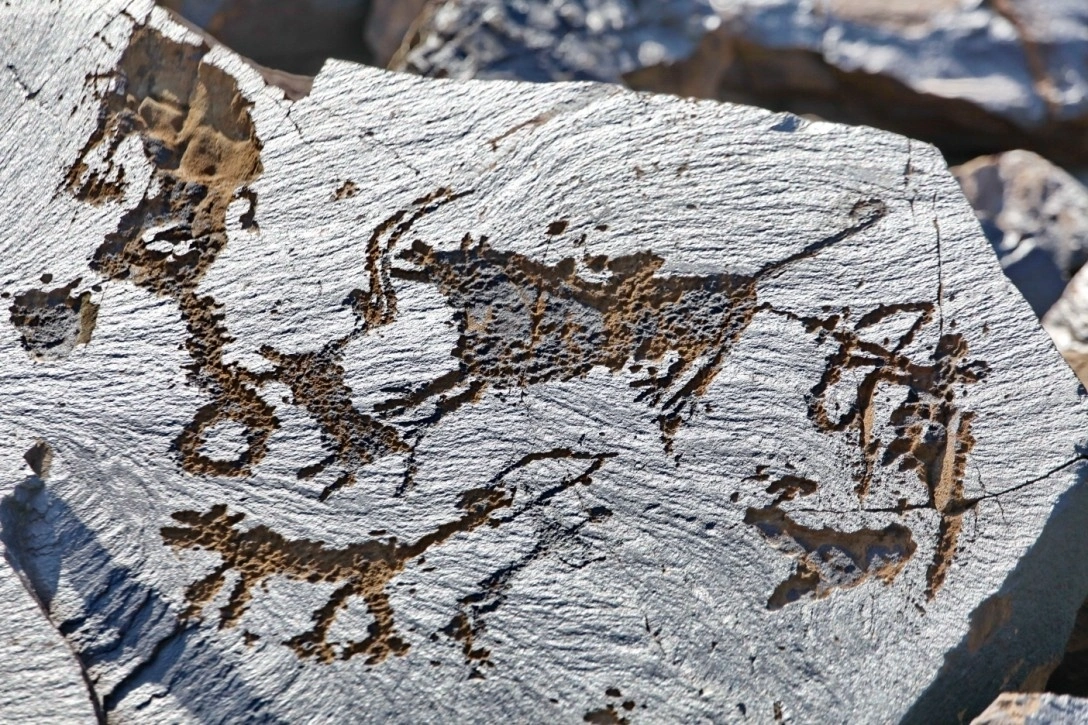
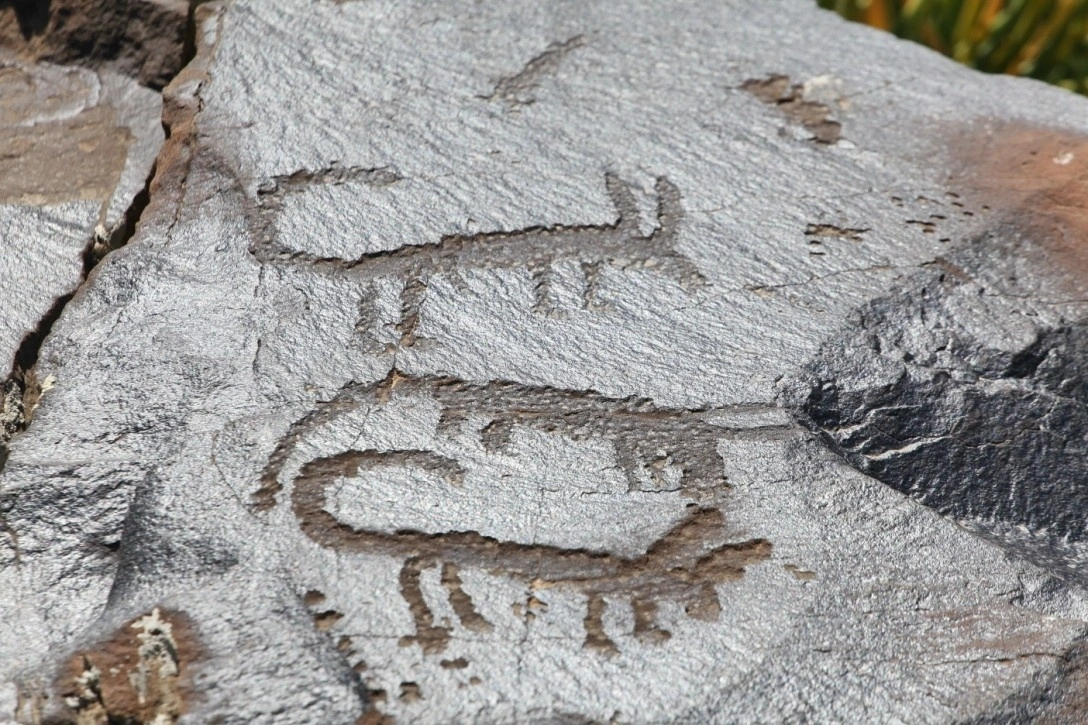
Across the open steppe, hundreds of stones with ancient carvings are scattered. These petroglyphs of Cholpon-Ata were created over many centuries — from the Bronze Age to the Middle Ages.
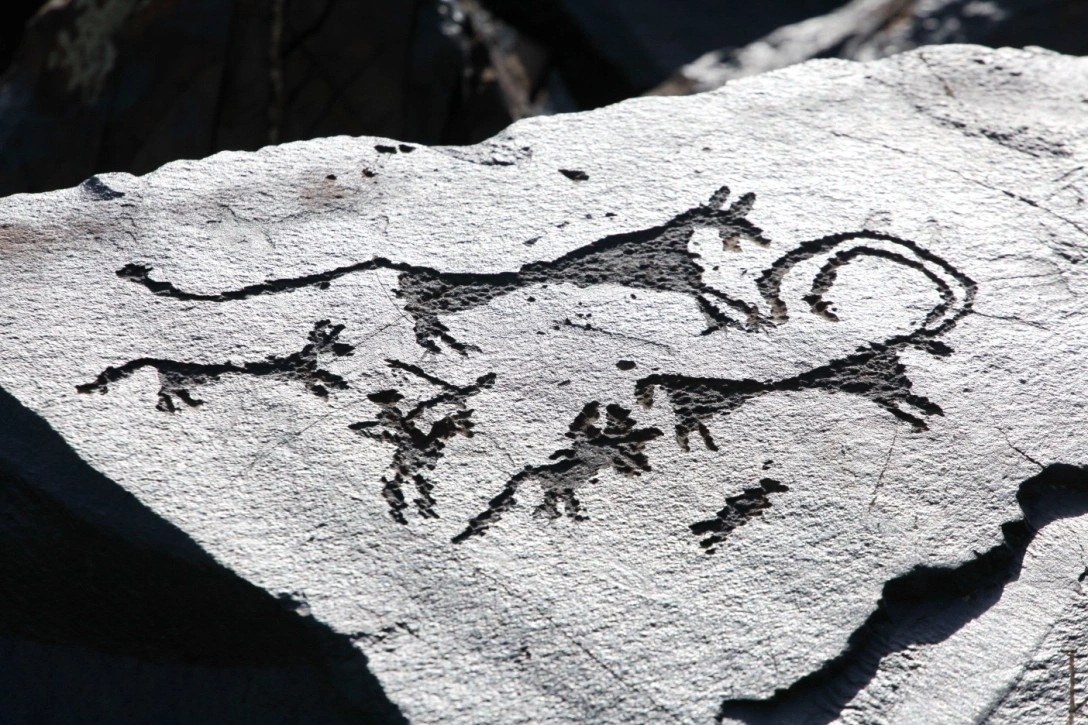
Among hunting scenes, animals, and solar symbols, one drawing surprises researchers the most — the snow leopard petroglyph on a leash.
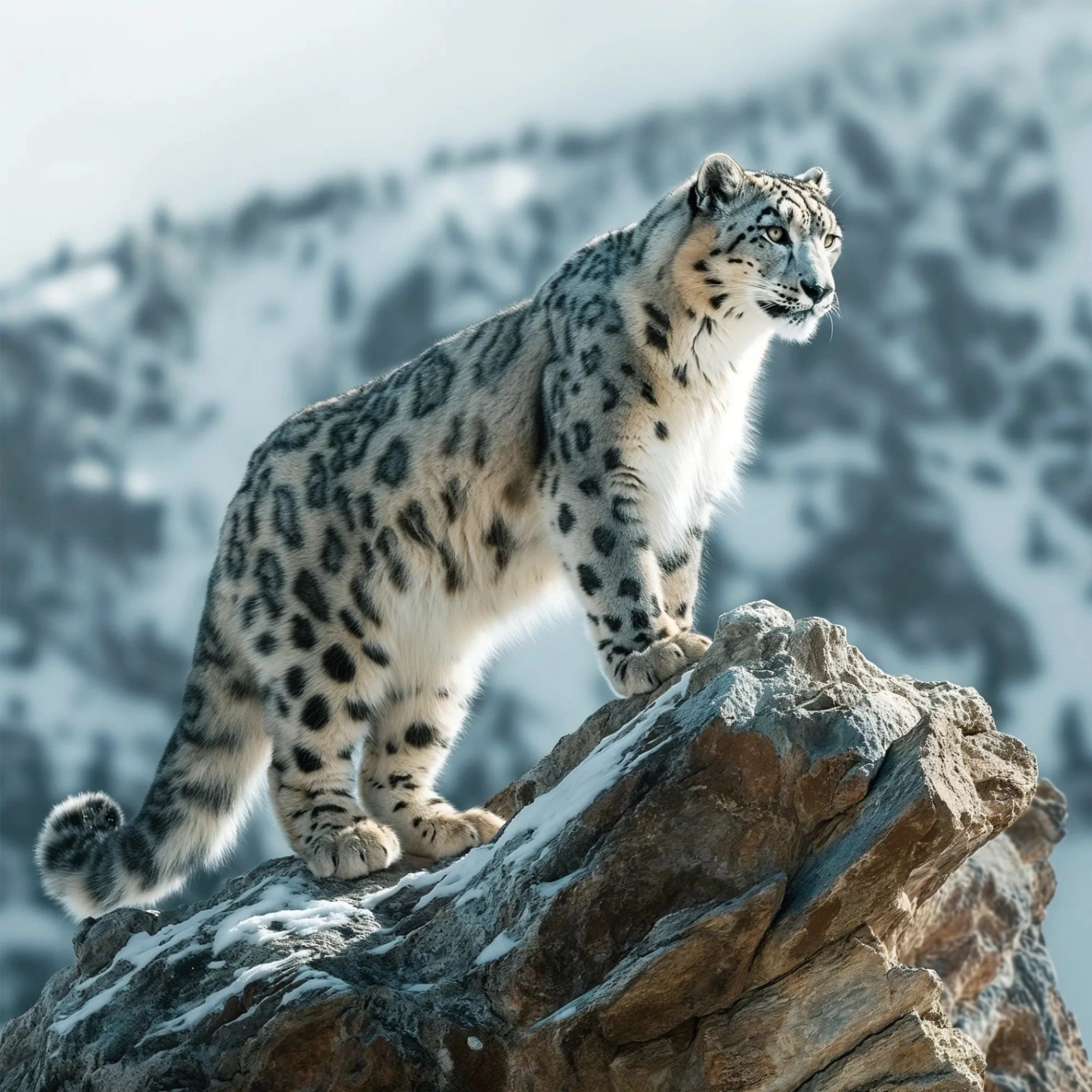
Today, the snow leopard is considered a symbol of the mountains of Kyrgyzstan.
However, in the petroglyphs of Cholpon-Ata, the animal appears in a very unusual role.
One carving shows a person leading a snow leopard on a leash.
Such a scene is extremely rare in the archaeology of Kyrgyzstan and Central Asia.
Researchers still debate its meaning.
It may represent power, spiritual strength, or an ancient myth.
In the culture of the ancient nomads of Central Asia, animals often symbolized strength and protection.
That is why the snow leopard petroglyph may represent:
a totem animal of a tribe
a symbol of power and authority
a spiritual protector of a shaman
a mythological companion of humans
There is still no exact answer, which makes this petroglyph even more mysterious.
Today, the Cholpon-Ata Petroglyph Museum is one of the most interesting historical sites near Issyk-Kul Lake.
Here visitors can see:
thousands of ancient rock carvings
hunting scenes of ancient peoples
images of animals and solar symbols
unique signs of nomadic culture
These petroglyphs help reveal the ancient history of Kyrgyzstan and the culture of the nomads of Central Asia.
During trips around Issyk-Kul, the team at XTRAVEL.KG often includes the Cholpon-Ata Petroglyph Museum in travel routes.
This place allows travelers not only to admire the nature of Kyrgyzstan but also to discover its ancient history.
Popular tours
You may also like