




© 2026 All rights reserved.
© 2026 All rights reserved.
What life on a high jailoo really looks like: mare milking, kumys, fireside evenings, and how xtravel arranges this stay with care.
Our tours
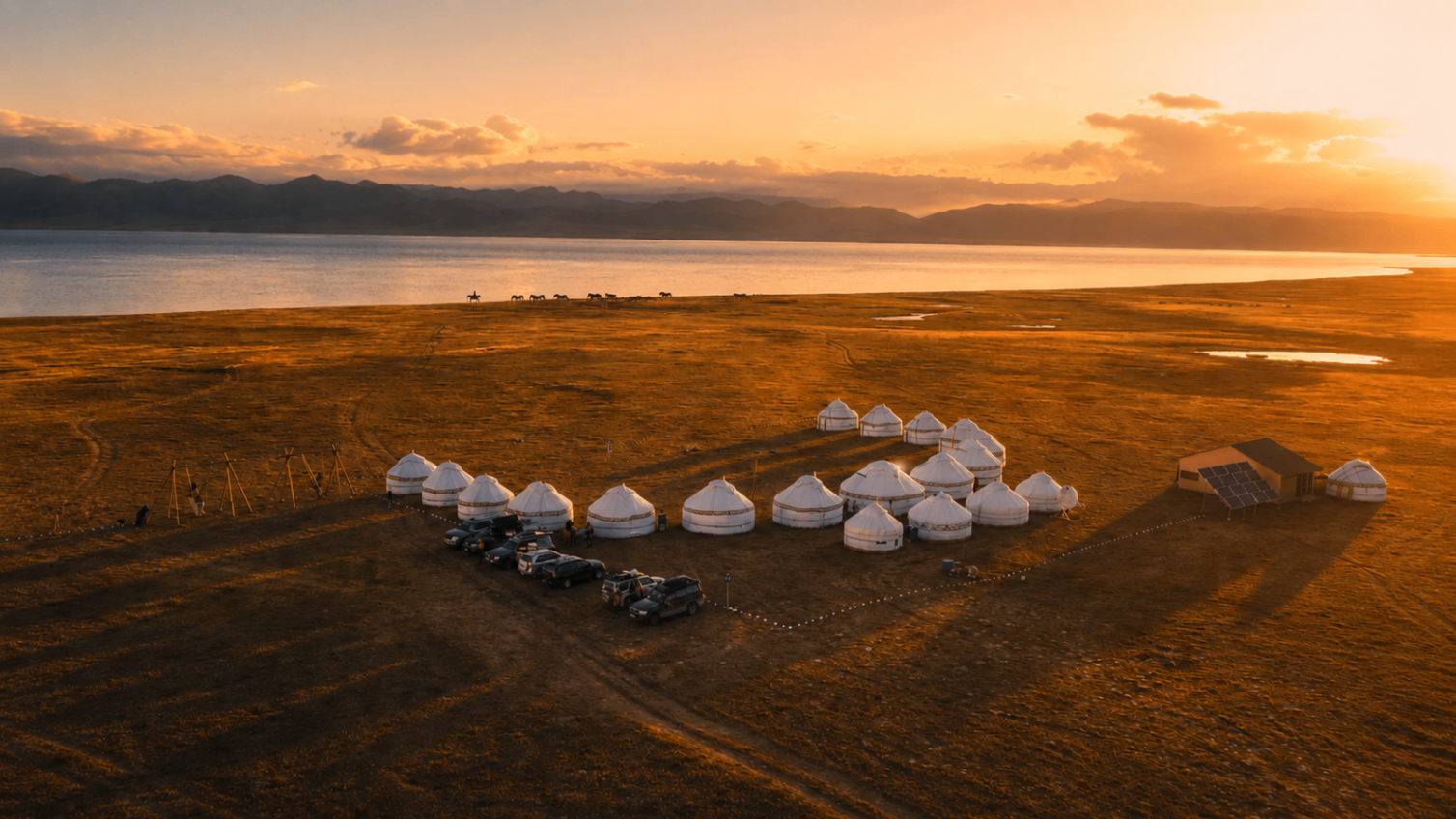
See allJailoo is the Kyrgyz word for a summer pasture, and it names something that has barely changed here for centuries. Every year, as the snow clears from the high passes, herding families move their households and livestock up from the valleys and set up camp beside a lake or river, living there through the short mountain summer. It isn't staged for visitors. It's how a real part of the country still makes its living.
That's the core difference from glamping. A glamping camp is usually built around the guest — canvas tents with proper beds, a private cook, a schedule designed so nothing gets in the way of comfort. On a jailoo, you step into someone else's routine instead. Mornings start when the herder's wife gets up, not when it suits a traveller, and that's typically at first light, when the animals need moving and the milking begins.
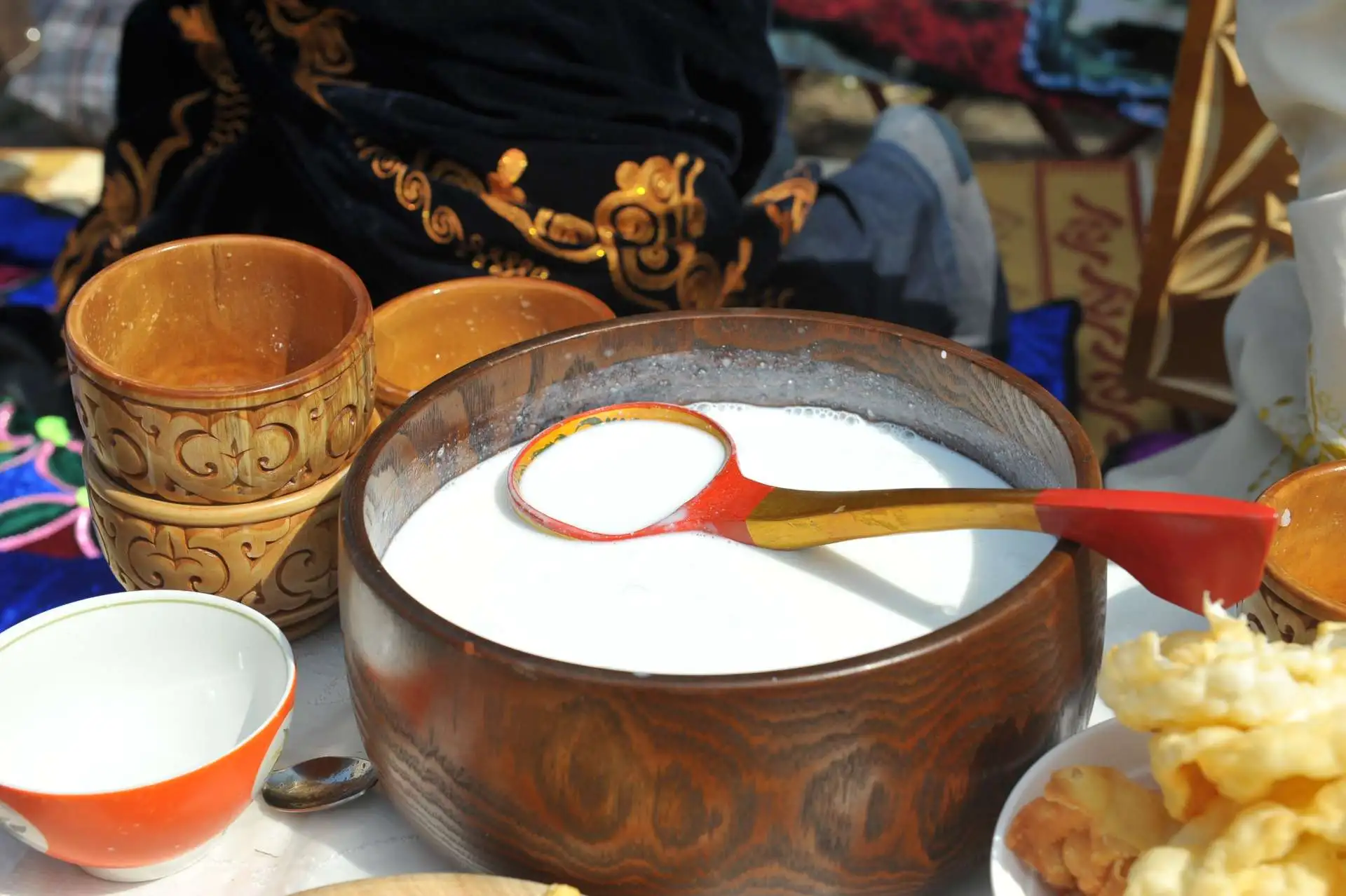
Milking mares is its own quiet craft. It happens several times a day, a small amount each time, and not every family member is trusted to do it well. The fresh milk goes into a chigyn — a leather or wooden churn — and gets stirred and worked over several days until it turns into kumys, a lightly fizzy, faintly sour drink that still anchors much of the family's summer routine. Guests are usually offered kumys at a few different stages of fermentation, along with an explanation of what separates a fresh batch from a stronger, more matured one.
The best part of the day tends to arrive once the herd is back and the chores are done. Dinner is cooked for everyone over a fire fed with dried dung or brushwood, and if someone in the family plays the komuz, the evening almost always drifts into stories — about the family's history, past migrations, how life on the jailoo has shifted over the decades. There's usually no electricity and no signal, and that isn't packaged as a "digital detox" experience. It's simply how things are up there.
Because a stay like this is so personal, xtravel puts it together differently from a standard tour. We meet the host family ourselves ahead of time, explain who is coming and what they're hoping for, and talk through what feels comfortable for that particular family and what would cross a line — how much time guests can reasonably spend near the herd, whether photographing the milking is welcome, where the line sits between sharing their life and turning it into a performance. That conversation happens fresh with every family, not from a template.
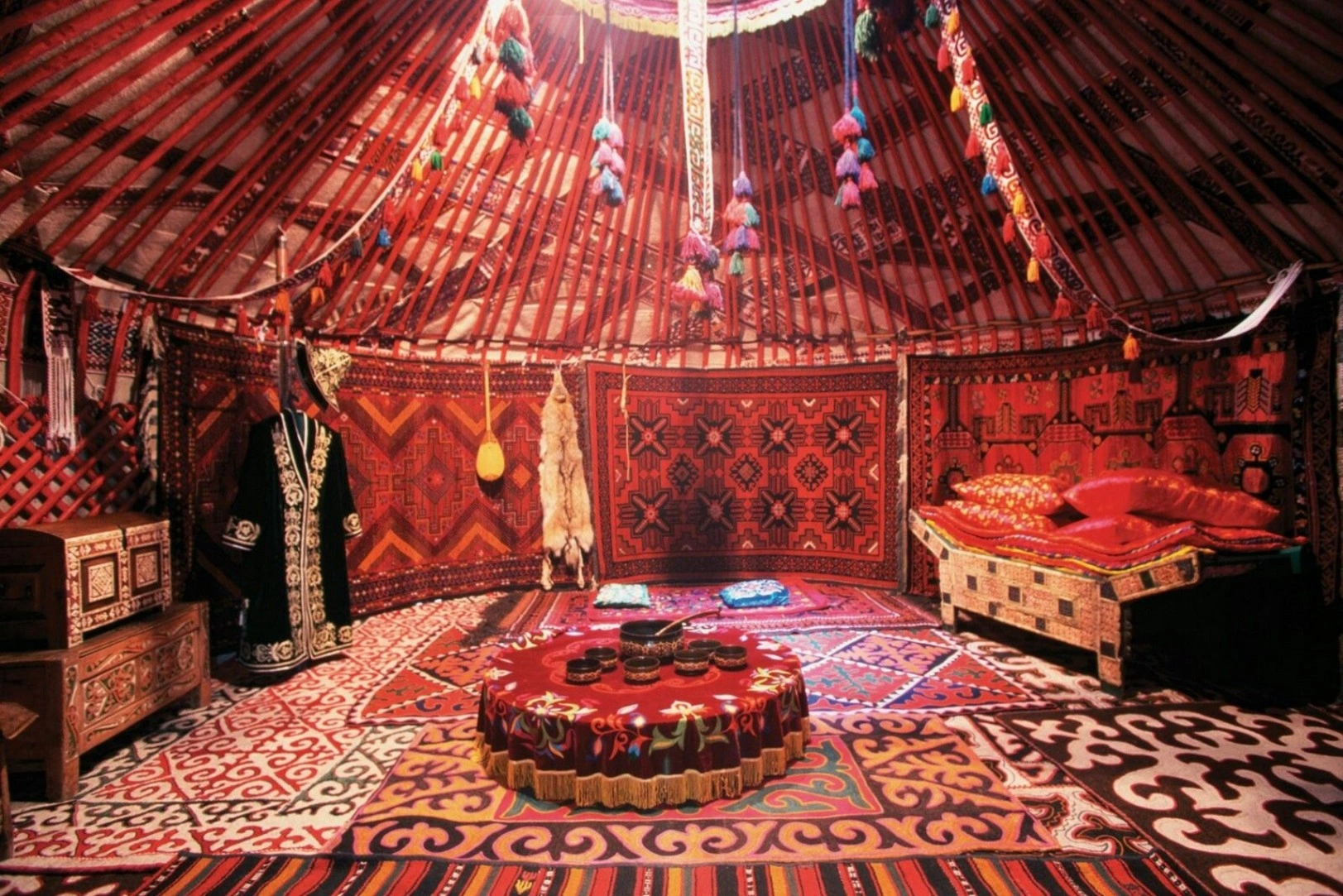
Comfort levels aren't standardised either. For some families we arrange a separate guest yurt with extra bedding and a portable toilet nearby; for others we bring in water and set up a way to charge devices off-grid; and for some guests, the honest option is simply living the way the family does, without additions. We work out which of those fits before the trip, along with how long to stay — anywhere from a couple of nights, enough for a real first impression, to a full week for travellers who want to see the weather turn and settle into the actual rhythm of the place.
The high jailoo season is short — roughly June through September, while the pastures stay green and the passes stay open, and that window holds again for 2026. This kind of stay suits travellers who've already seen the postcard version of Kyrgyzstan and want something with more depth: photographers, families travelling with teenagers, anyone tired of "wild" scenery that turns out to be carefully arranged. We're equally upfront about the trade-offs — there's no service on a schedule, mountain weather can turn quickly, and some days the highlight is nothing more dramatic than tea and conversation with the woman who runs the yurt.
Want to see it with your own eyes?
We'll build a route around your dates, pace and budget — guide, transfers and stays included. We reply within a day.
Popular tours
You may also like