




© 2026 All rights reserved.
© 2026 All rights reserved.
Bishkek deserves more than a layover: restaurants, art spaces, felt and textile shopping, Soviet-era boulevards and parks — xtravel's guide to the capital.
Our tours
See allMost itineraries through Kyrgyzstan treat Bishkek as a formality — land, transfer to a 4x4, disappear into the mountains. A more deliberate traveler builds in two or three days here first. Not because the capital has landmark museums or a dramatic skyline, but because it's the one place on the trip where the country's actual rhythm is visible: wide Soviet boulevards, shaded irrigation canals, the clatter of teahouses, and workshops where felt is still rolled by hand.
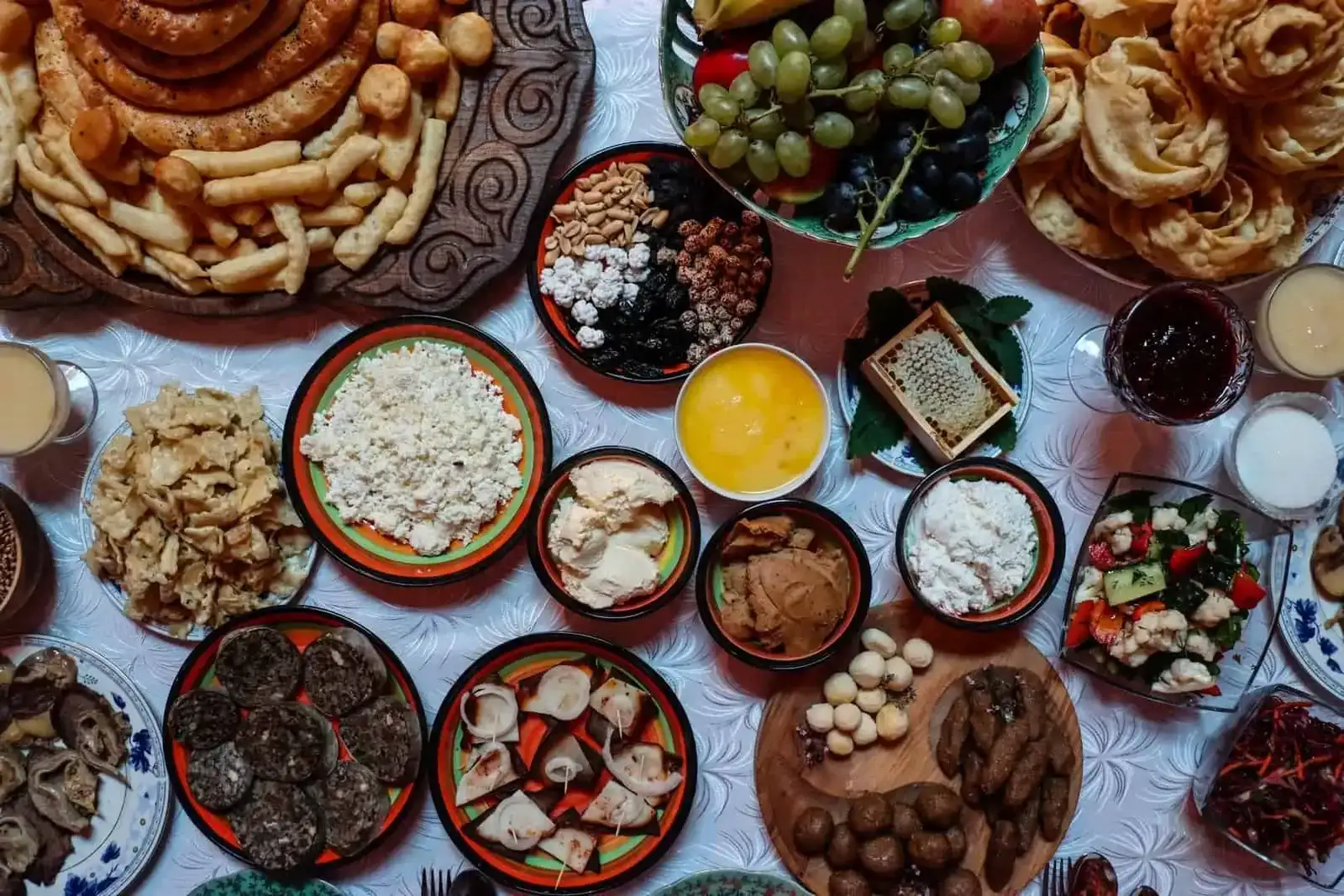
Bishkek's restaurant scene has quietly matured. Alongside the classic spots serving beshbarmak, kuurdak and lamb manty, a newer wave of kitchens is reworking Kyrgyz cooking with a lighter touch — local herbs, kumys, and young kurut cheese showing up in combinations you wouldn't expect from a mountain-country capital. For travelers who've had their fill of Central Asian flavors mid-trip, the city holds its own with Georgian, Italian and pan-Asian restaurants worth the detour, from basement wine bars in converted courtyards to rooftop terraces with clear views of the Ala-Too range.
The architecture alone rewards a slow walk. Chuy and Erkindik avenues, lined with lime trees, still carry the mosaic panels and modernist facades of the Soviet era — a city that feels caught between decades rather than erased by them. Underneath that surface, Bishkek has a genuinely active independent art scene: small galleries showing contemporary Kyrgyz artists working through themes of nomadism and post-Soviet identity, and former industrial buildings now hosting exhibitions and performances.
It's worth budgeting time for an unhurried walk with a local guide rather than a checklist tour — that's how the details surface: hidden courtyards behind Stalin-era apartment blocks, secondhand book stalls near the state circus, and small private collections that simply aren't open without an introduction.
Bishkek souvenirs, chosen carefully, aren't fridge magnets. Hand-felted ala-kiyiz and shyrdak rugs, made in workshops outside the city and brought in for sale, remain one of the most honest things to bring back from Kyrgyzstan. Add to that the traditional ak-kalpak hat and elechek headdress, silver jewelry set with turquoise and carnelian in nomadic patterns, and a handful of small ateliers reworking national dress for everyday wear. Osh Bazaar suits travelers who enjoy the noise and the bargaining; the boutiques in the city center suit those who'd rather have the editing done for them.

Bishkek is one of the rare post-Soviet capitals whose park network survived largely intact. Ala-Too Square, Panfilov Park, the botanical garden and the shaded avenues near Molodaya Gvardiya keep the city genuinely green even in the height of summer. And the mountains here aren't just scenery on the horizon — Ala-Archa National Park sits about 40 minutes from the center, close enough that a morning there fits easily before an evening flight or the next leg of the trip.
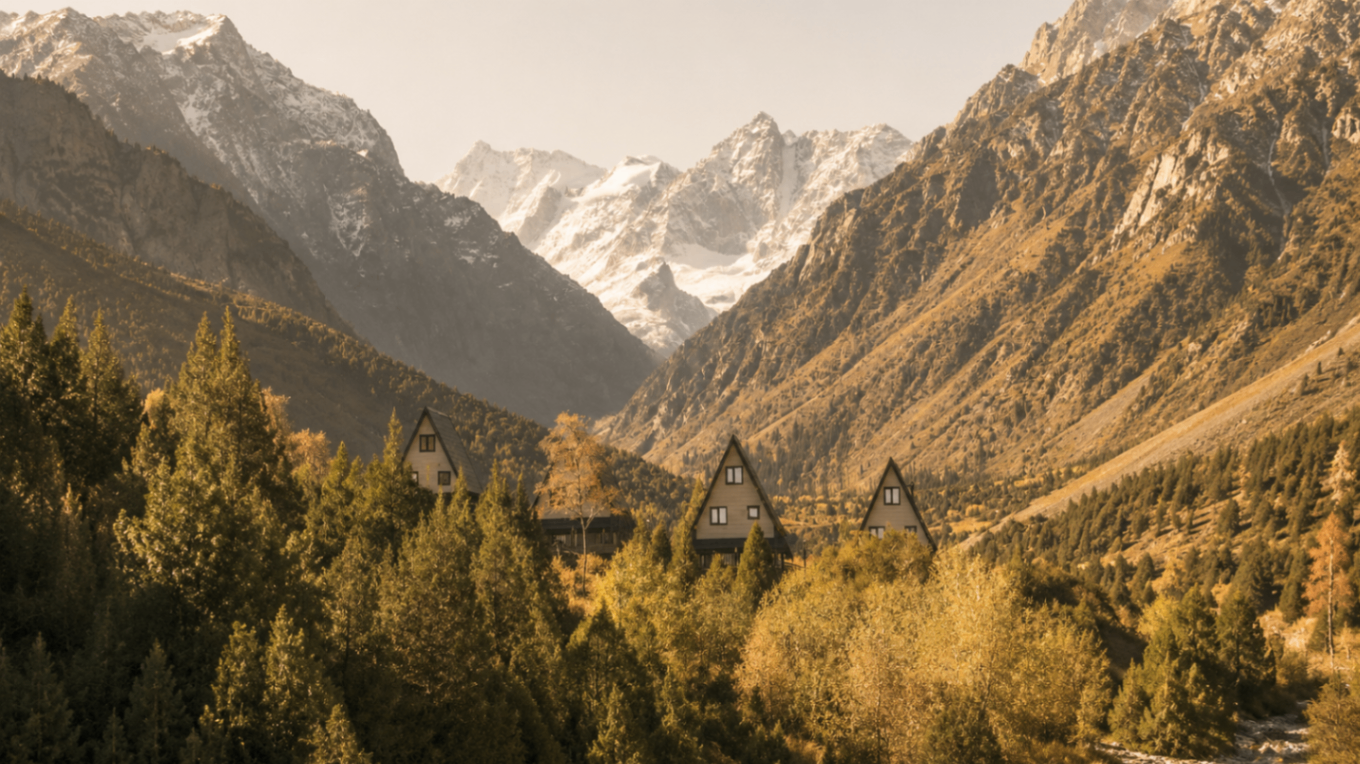
On xtravel.kg routes, Bishkek is rarely just an arrival airport. We build in a day or two in the capital — a private guide, dinner at a chosen restaurant, a visit to a felt workshop, a walk down the boulevards — before the group heads on to Issyk-Kul, Song-Kul, or a helicopter expedition to Kel-Suu. Treated this way, the capital stops being a formality and becomes a real chapter of the journey: a quiet starting point before the mountains, and an equally quiet close before the flight home.
Want to see it with your own eyes?
We'll build a route around your dates, pace and budget — guide, transfers and stays included. We reply within a day.
Popular tours
You may also like