





© 2026 All rights reserved.
© 2026 All rights reserved.
The Silk Road in Central Asia — legends, history, and modern travel. How the ancient route looks today and why traveling the Silk Road with XTRAVEL.KG is worth it.
Our tours
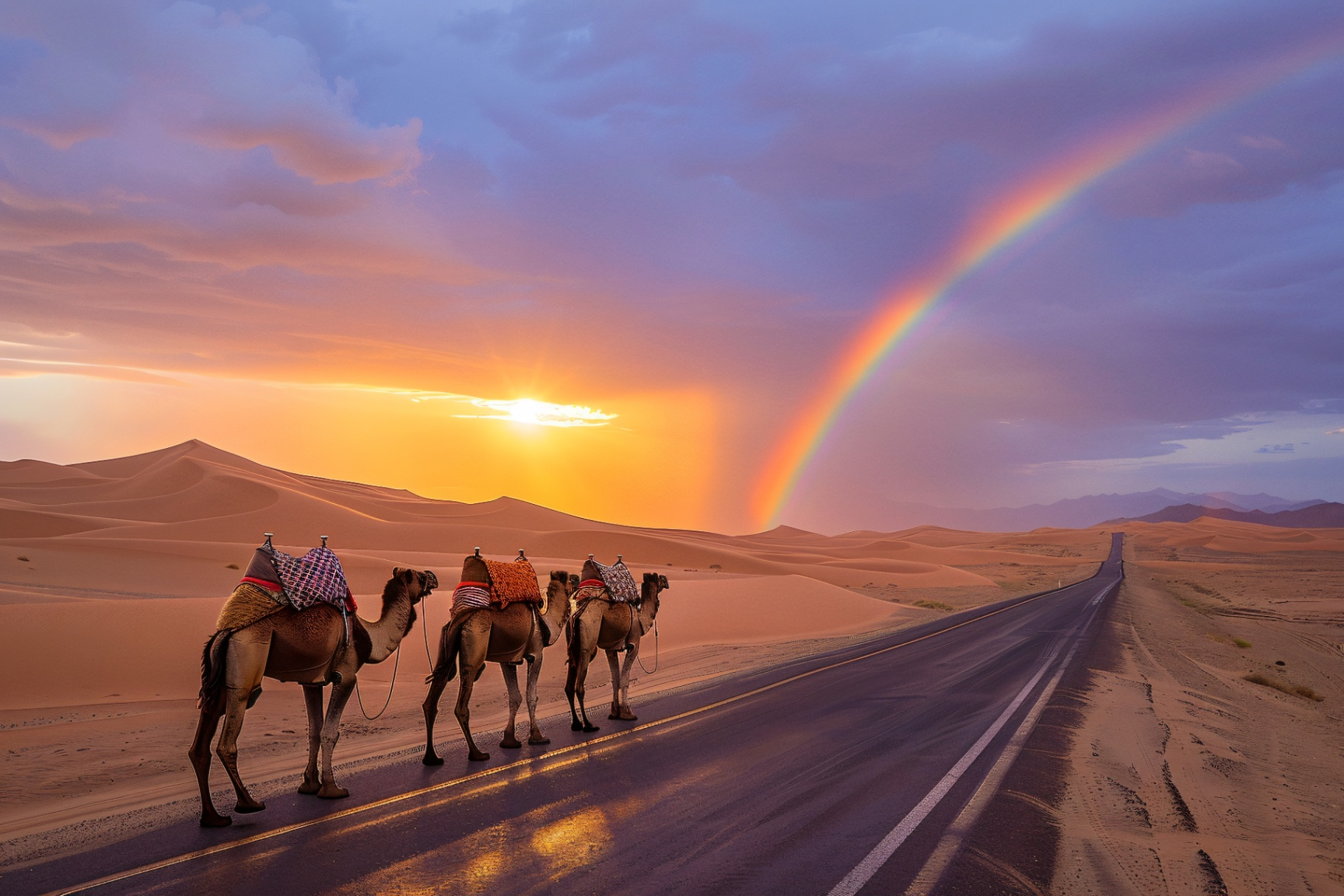
See allThe Silk Road was not a single road but a vast network of routes connecting China, Central Asia, the Middle East, and Europe.
Through these lands, caravans transported silk, spices, gold, and knowledge.
Today, the Silk Road in Central Asia is not just history but a living space where the past naturally blends with modern travel.
For centuries, the Silk Road was surrounded by legends.
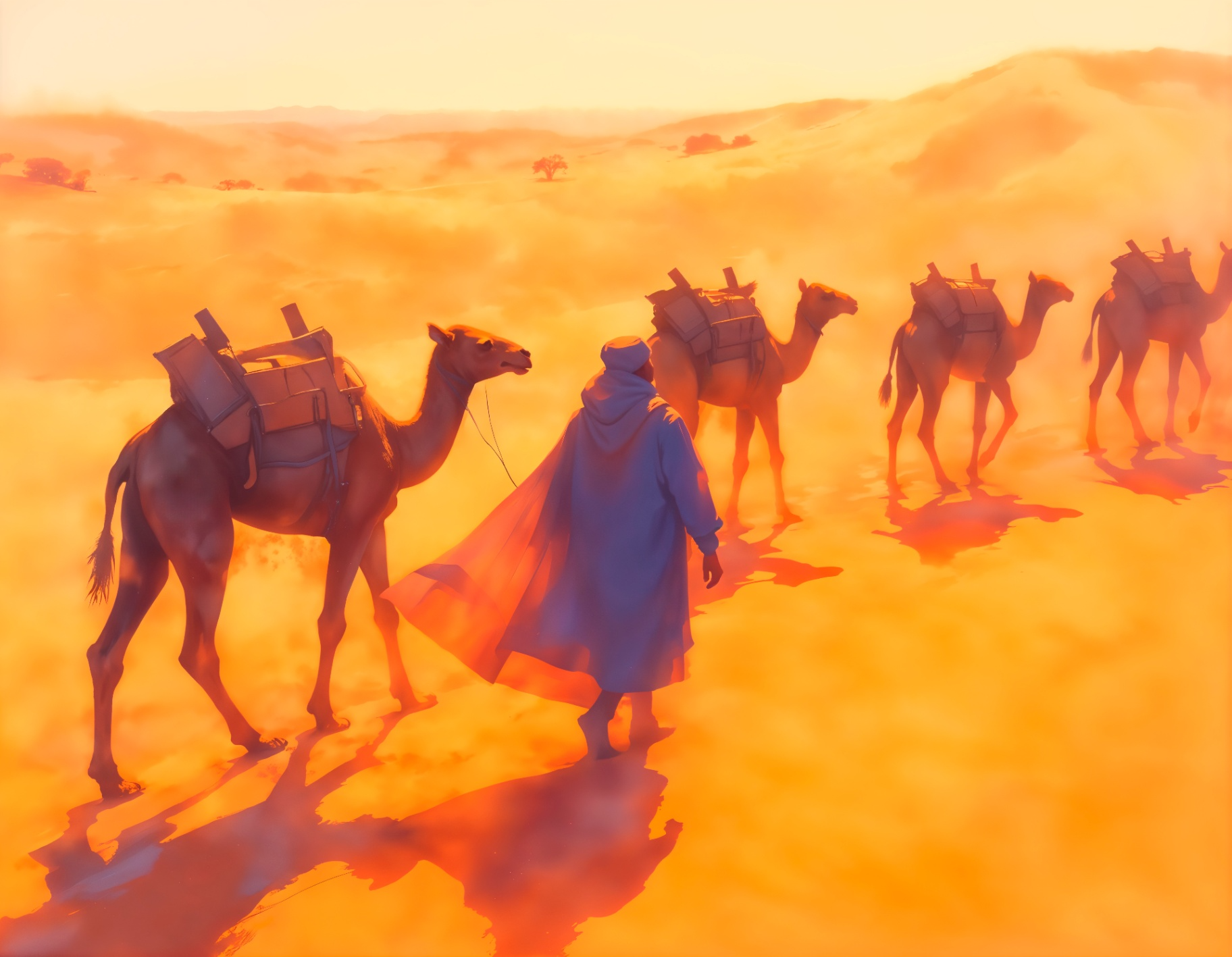
Caravans traveled for weeks across the Tian Shan Mountains, deserts, and steppes, risking everything for trade and discovery.
Stories spoke of cities where gold was exchanged for silk, of caravanserais that protected travelers from heat and cold, and of merchants who knew the roads better than their own homes.
These legends still live in Samarkand, Bukhara, Osh, and other cities of Central Asia — places where the Silk Road was once part of everyday life.
Central Asia has always been a key region of the Silk Road.
This is where trade, culture, and religion intersected.
Cities of the region became:
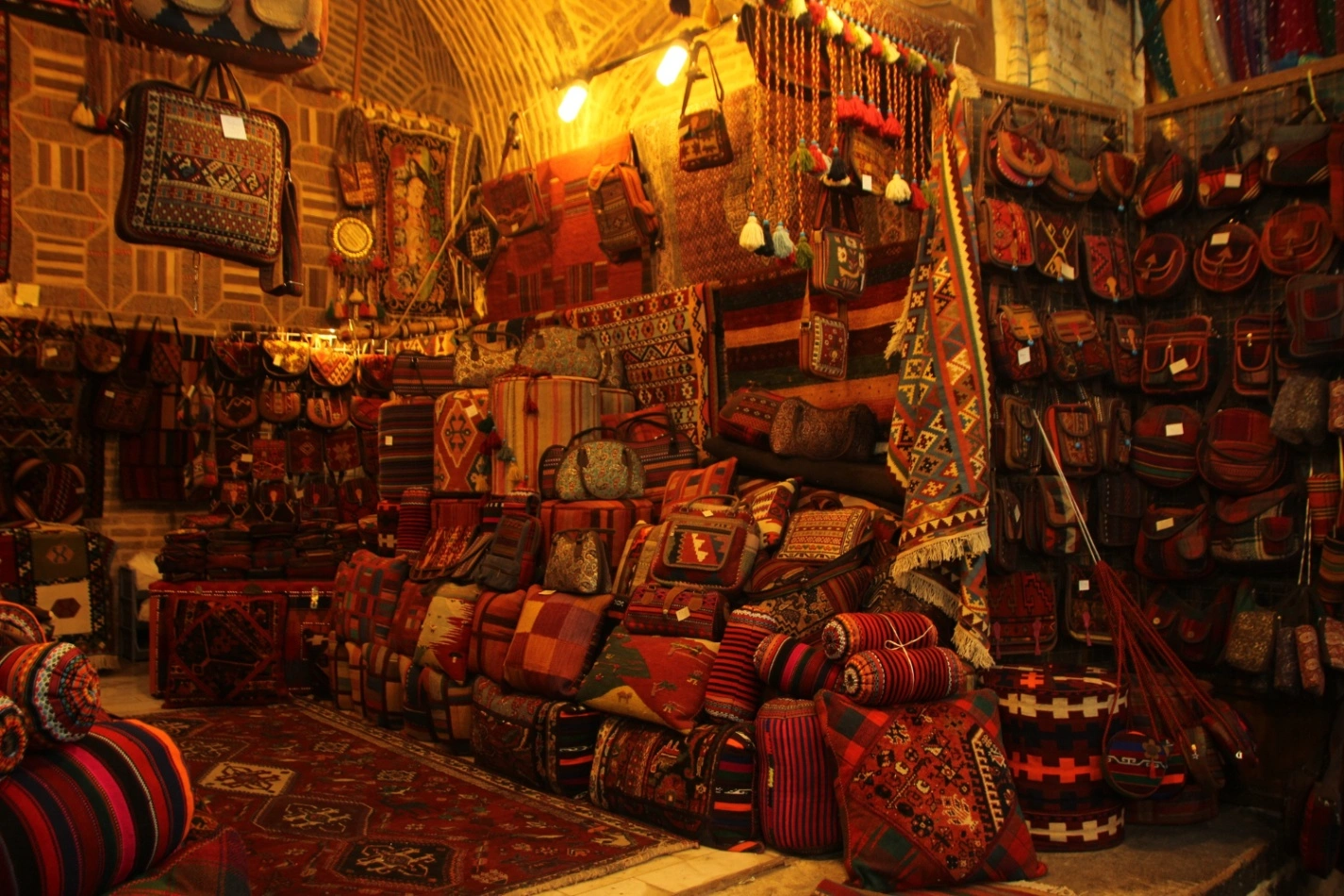
centers of trade and craftsmanship;
places of knowledge exchange and technological transfer;
crossroads for religions and philosophies.
The history of the Silk Road in Central Asia is a story of diversity. Its legacy remains visible today in architecture, traditions, and ways of life.
Unlike many ancient routes, the Silk Road has not disappeared.
It continues through cities and roads accessible to modern travelers.
Today, travelers can follow Silk Road routes through:
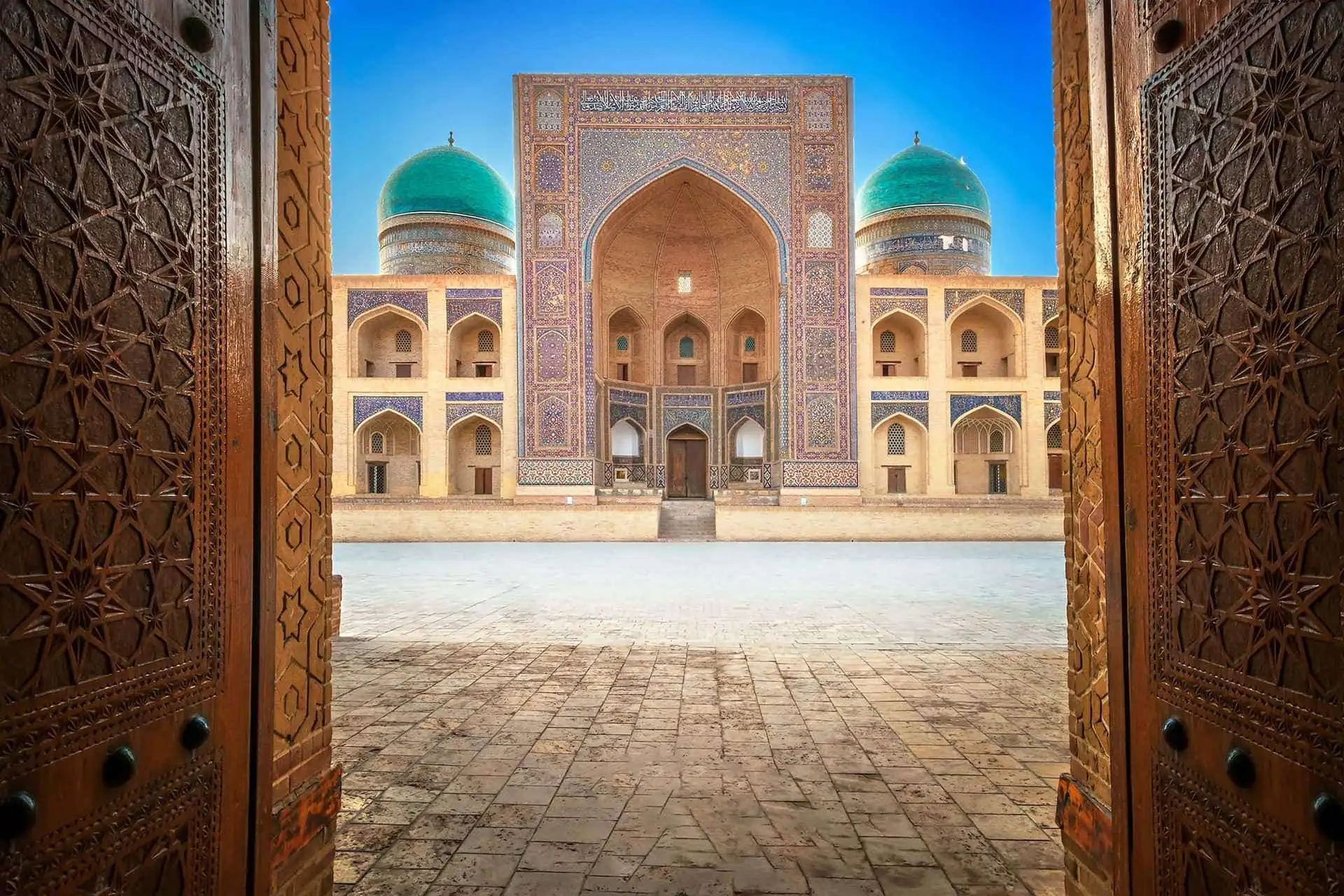
Samarkand and Bukhara — symbols of magnificent ancient architecture;
Tashkent — a modern city with deep historical roots;
Osh — one of the oldest cities in Central Asia;
Mountain routes of Kyrgyzstan and Tajikistan once used by caravans.
Traveling the Silk Road allows visitors not only to see landmarks but to understand how the region was shaped.
Today, the Silk Road attracts travelers tired of standard destinations.
Modern Silk Road travel offers:
slow-paced routes;
deep cultural immersion;
local cuisine and genuine interaction with local people;
a combination of cities, nature, and history.
Central Asia remains one of the few regions where the Silk Road has not been turned into a theme attraction and still retains its authenticity.
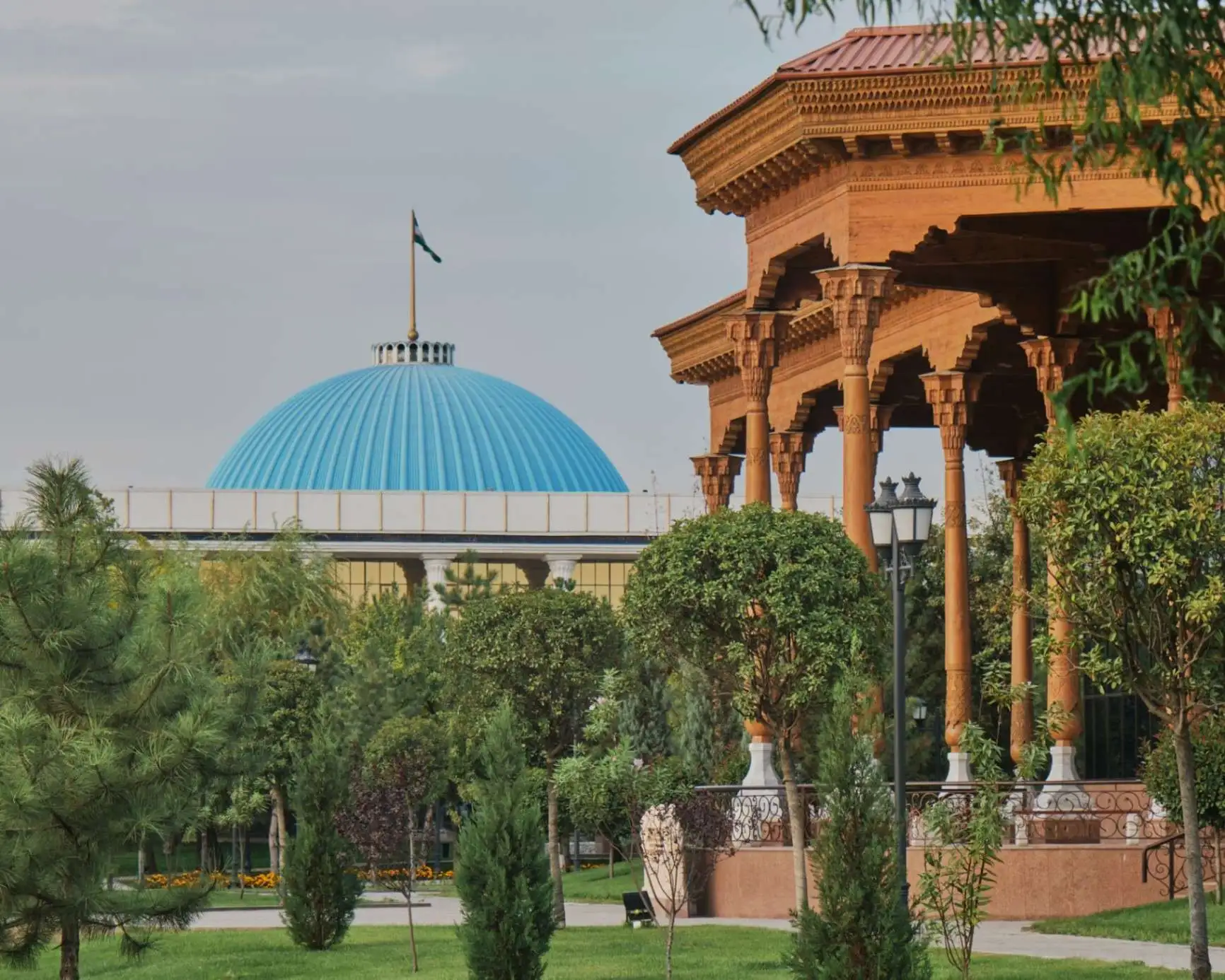
The Silk Road is a complex route that requires regional expertise.
It is important not just to visit cities but to connect them into a comfortable and meaningful journey.
XTRAVEL.KG:
designs tailor-made Silk Road tours in Central Asia;
combines historic cities with natural landscapes;
works with local guides and reliable logistics;
creates journeys where history comes alive.
Central Asia remains the heart of the Silk Road.
And XTRAVEL.KG helps travelers experience this route deeply, safely, and with purpose.
Popular tours
You may also like