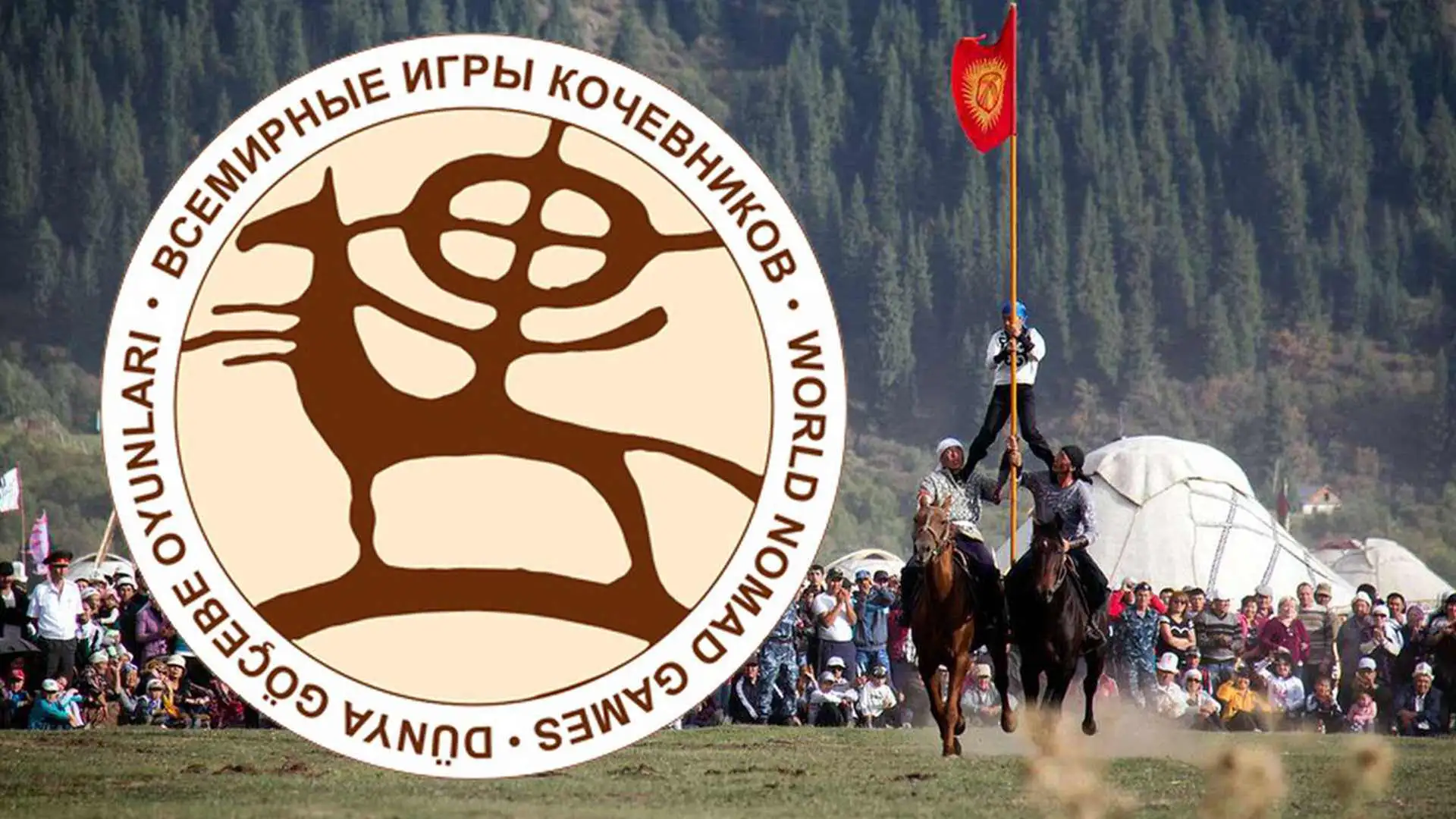
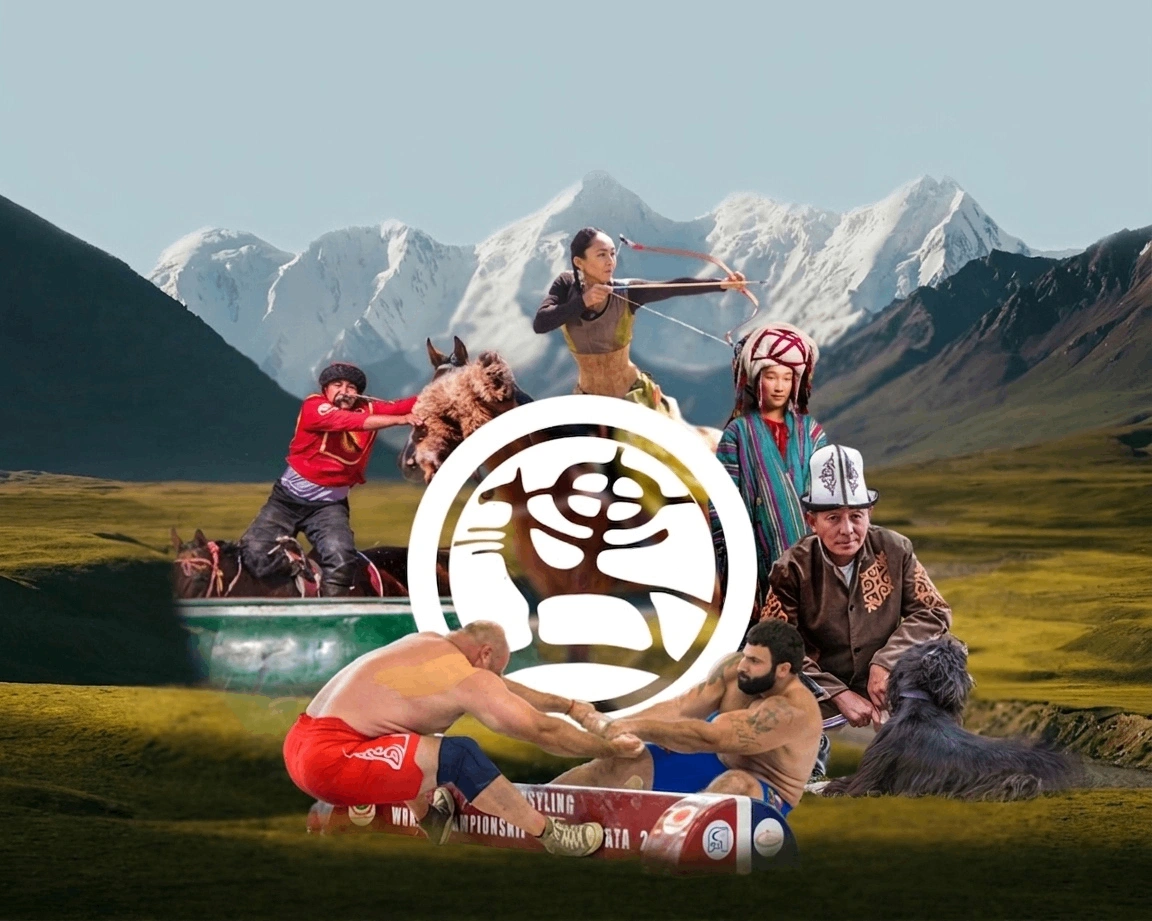
Discover the 6th World Nomad Games in Kyrgyzstan from August 31 to September 6, 2026! Immerse yourself in ancient traditions, horse games, and unique culture with an exclusive tour from xtravel.kg.
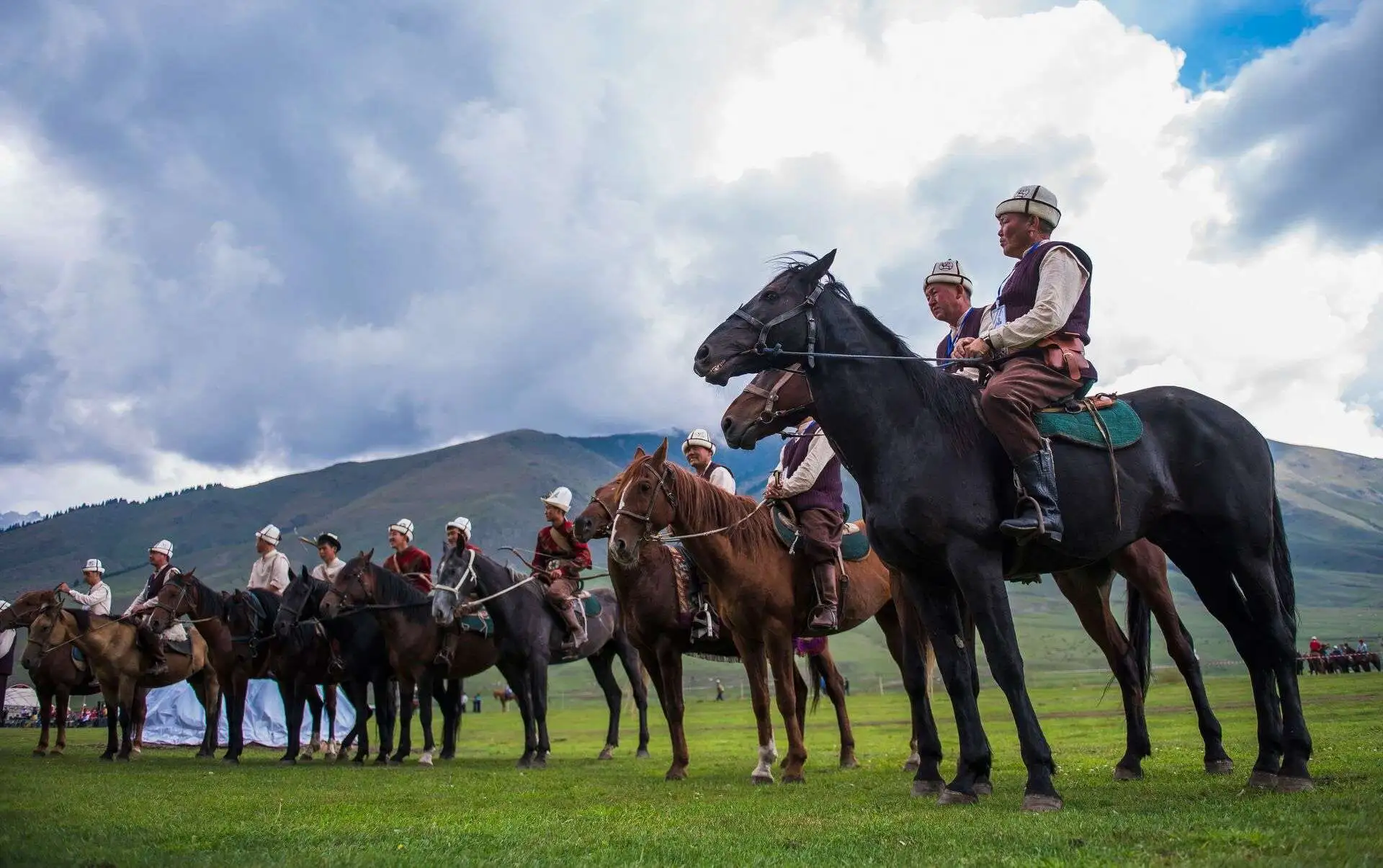
Our tours
See allThe Nomad Games are an important part of the cultural heritage of the peoples of Central Asia. They originated from the daily life and military practices of ancient nomads: horse riding skills, archery, strength, and endurance. Today, these games are experiencing a revival and attracting athletes, tourists, and researchers.
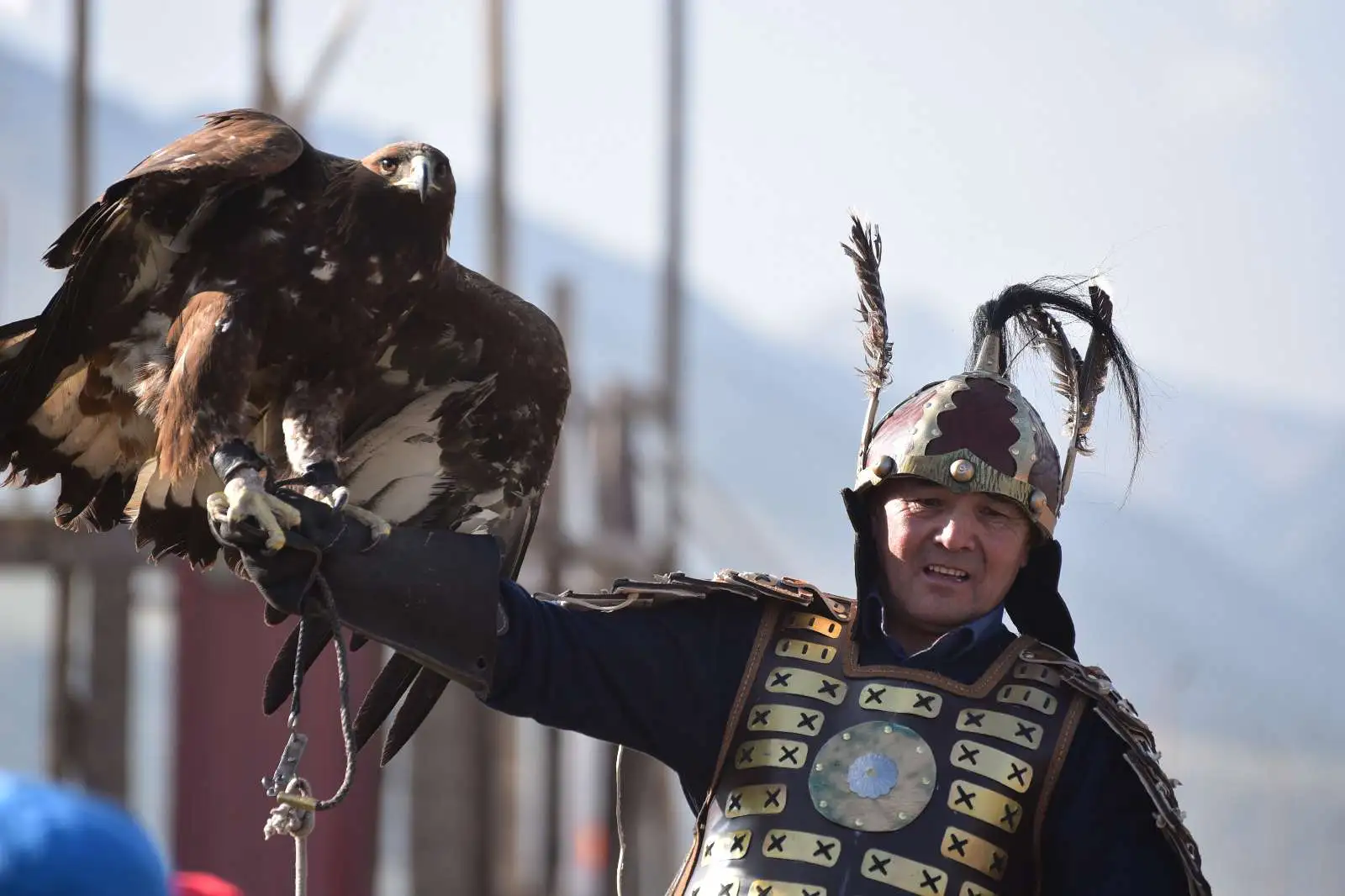
The games emerged from the natural needs of nomadic life. In open steppes and high mountains, only those who were resilient, fast, and skilled in horse riding could survive. Therefore, the competitions served both as entertainment and as training for future warriors.
Key features of ancient games:
participation of both young and experienced warriors
competitions held during festivals, rituals, and family celebrations
a combination of sport, rituals, music, and hospitality
high status of winners and their families
The games strengthened clan ties and showcased strength and skill.
Many ancient disciplines have survived to this day and have become official ethnosport competitions.
Kok-boru (Kokpar) 🐎
A team horseback game in which riders compete to deliver a goat carcass to a special zone.
Ordos (Wrestling) 🤼♂️
A national form of wrestling where strength and balance are crucial.
Toguz Korgool 🧠
A strategic board game considered an important intellectual tradition.
Audarysh 🐎
Wrestling on horseback: the goal is to pull the opponent out of the saddle.
Jamby Atuu 🏹
Archery at a suspended target to test precision and skill.
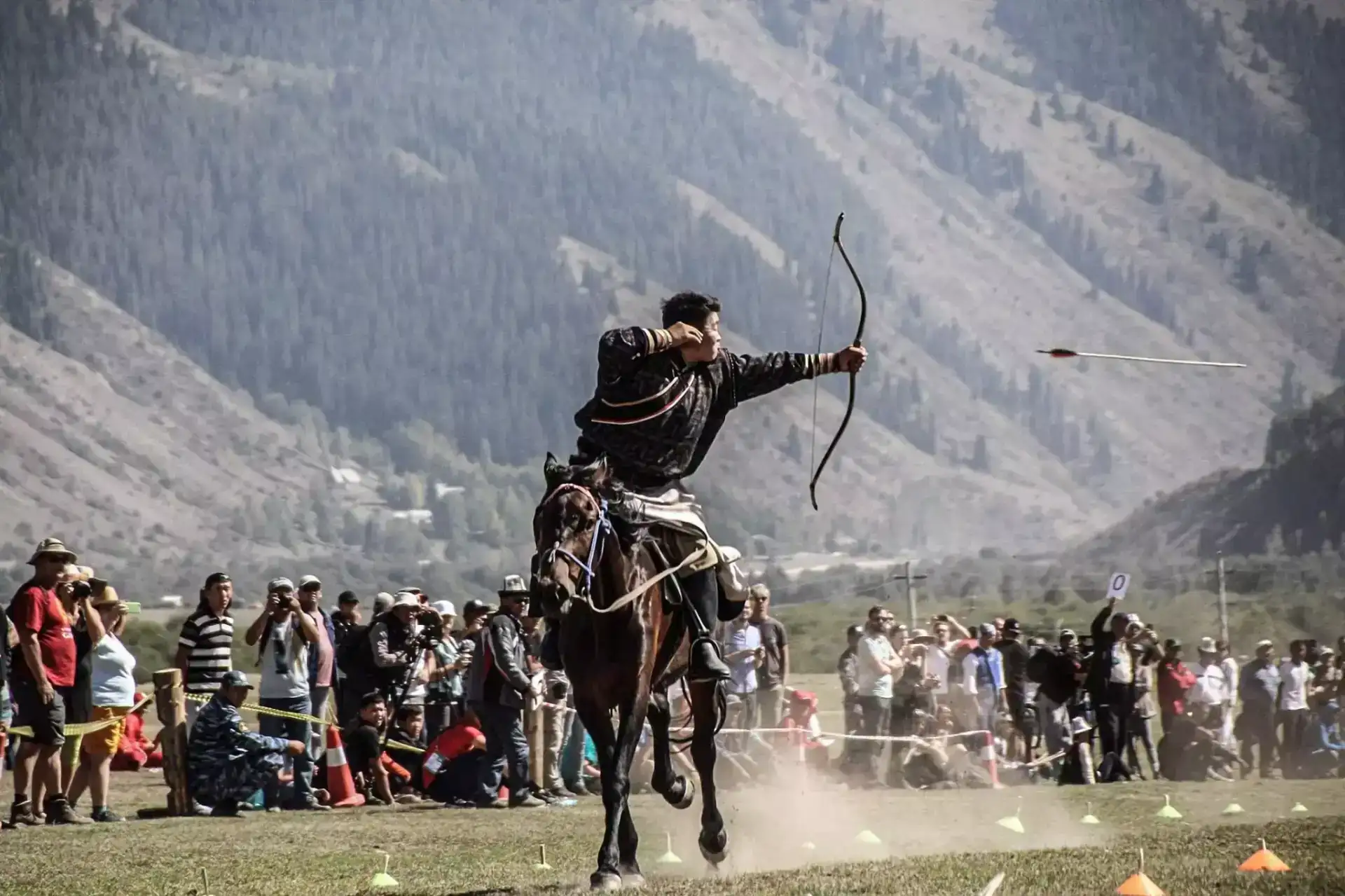
Interest in traditional games is growing globally. In Central Asia, federations, schools, and training centers are being created, while international festivals attract thousands of visitors.
What has changed:
standardized rules
youth leagues and junior tournaments
inclusion of ethnosport in tourism programs
increased cultural exchange between nomadic countries
Nomadic games have become a cultural symbol of the region.
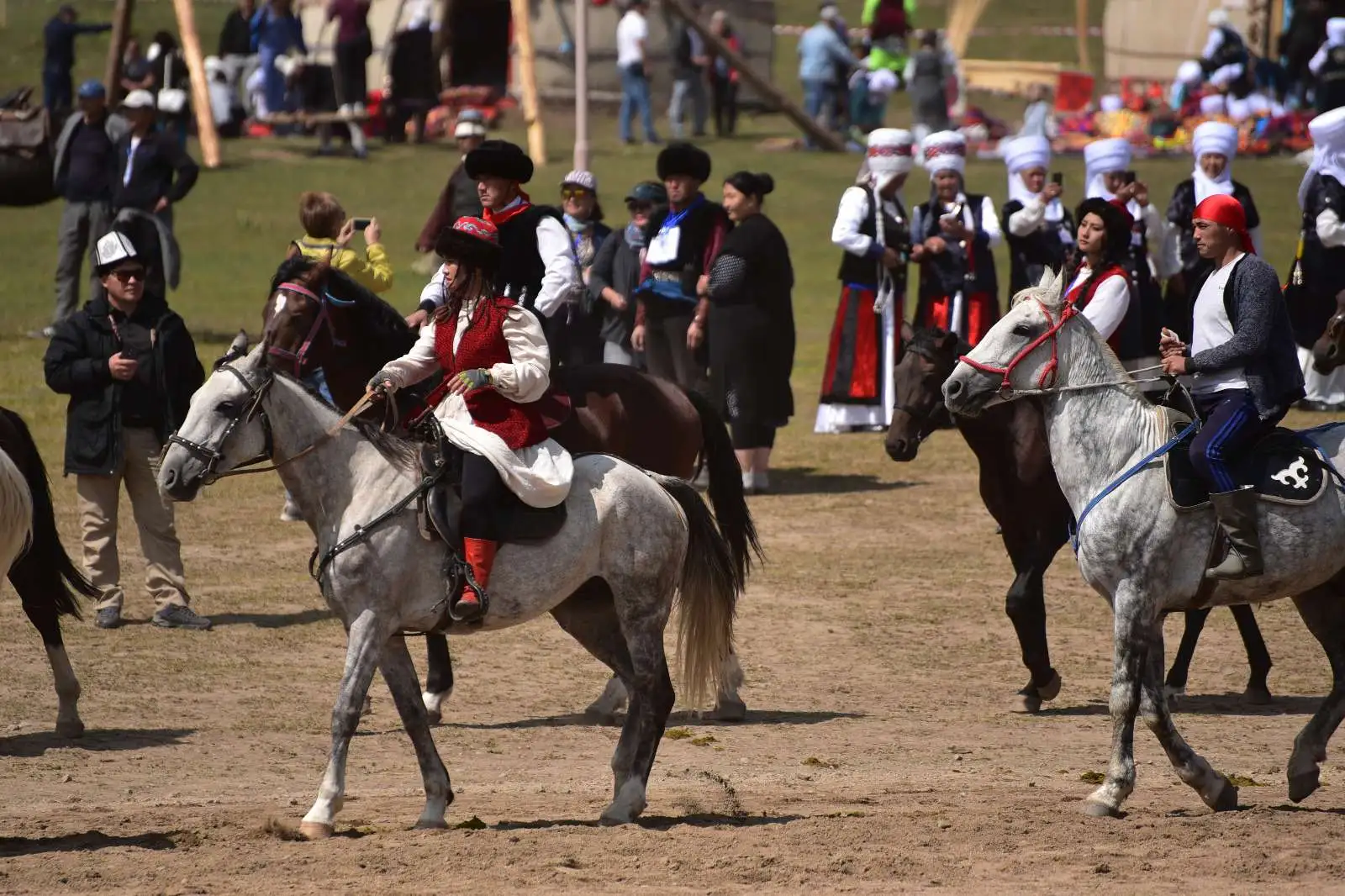
2026 promises to be a significant year for ethnosport fans.
Major events in 2026:
1. World Nomad Games 2026
Disciplines: kok-boru, Kyrgyz kuresh, mas-wrestling, toguz korgool, ordos
Cultural program with crafts, music, and workshops
2. Central Asian Ethnogames
Participants: Kyrgyzstan, Kazakhstan, Uzbekistan, Mongolia, Turkmenistan
Focus on horseback sports and wrestling
3. Youth tournaments and school festivals
Programs for toguz korgool, archery, and wrestling
4. Ethnocultural festivals within tourism forums
Demonstrations and workshops for visitors
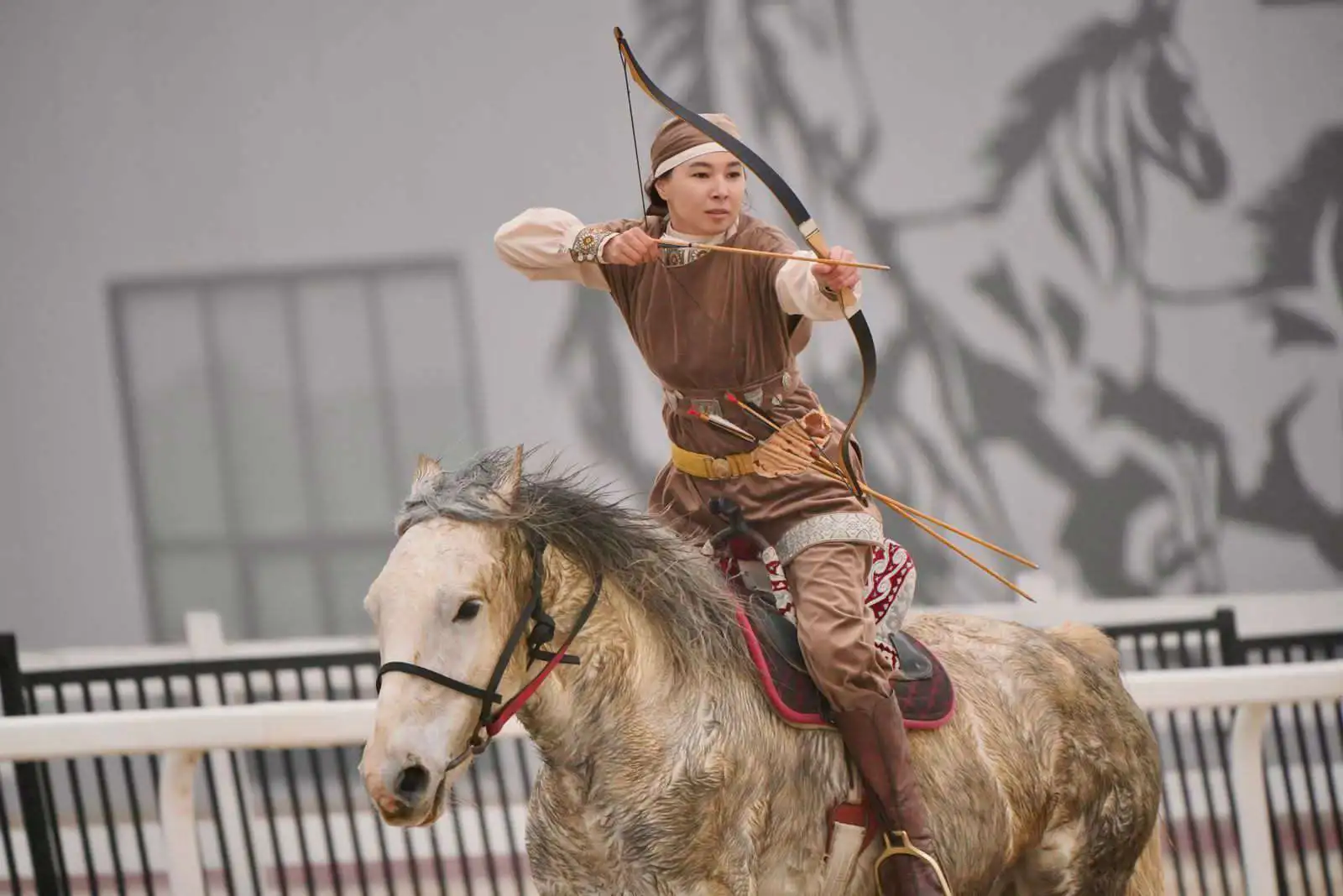
Why they matter:
preservation of ancient traditions
promotion of respect for nature and horses
strengthening of regional cooperation
attraction for tourists and researchers
Games are a universal language understood without words.
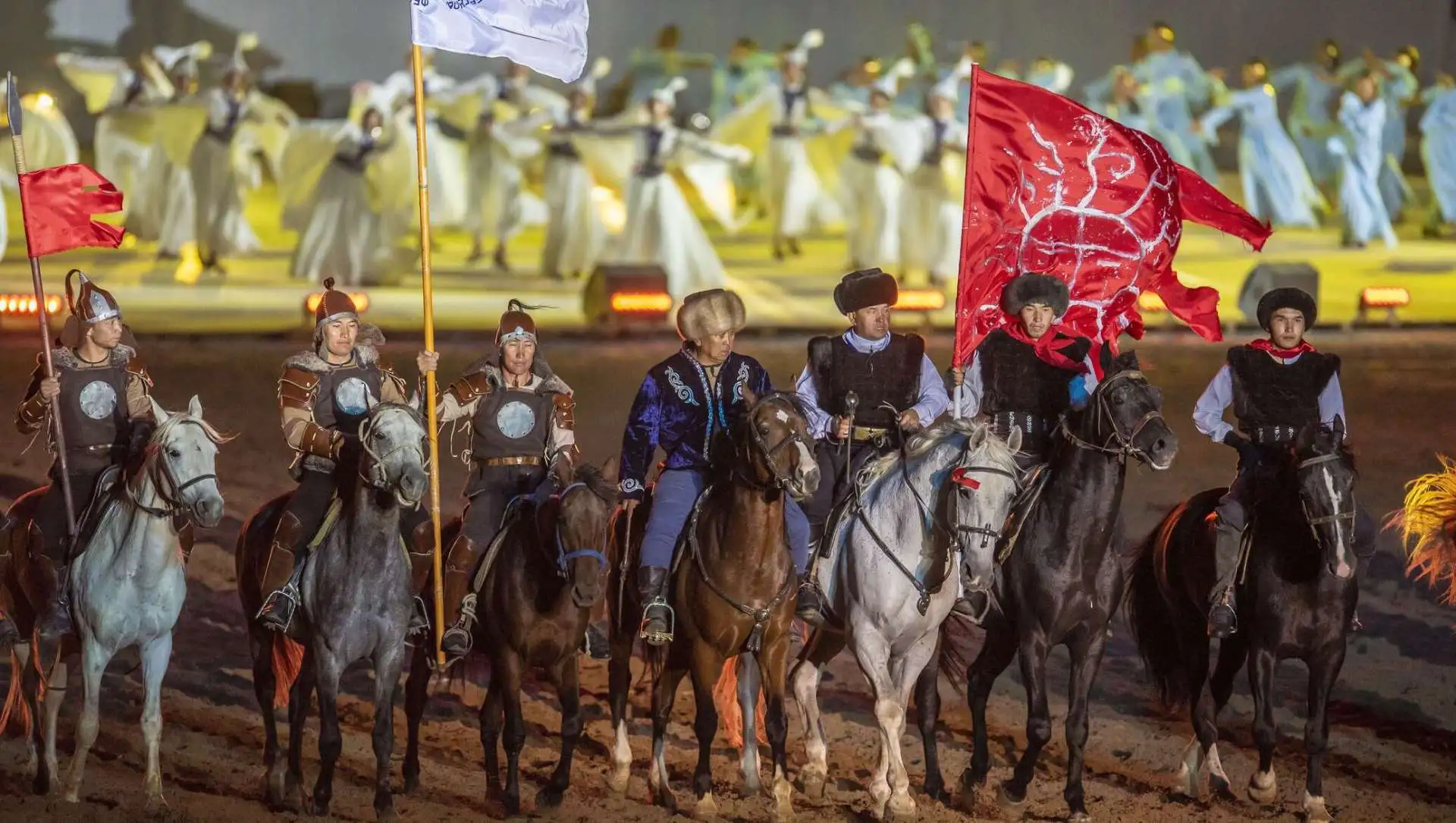
From ancient steppe competitions to modern international festivals, the Nomad Games have come a long way.
In 2026 they will continue to grow, inspire, and connect cultures.
They remain a living heritage that protects the spirit of freedom and strength.
Want to see it with your own eyes?
We'll build a route around your dates, pace and budget — guide, transfers and stays included. We reply within a day.
Popular tours
You may also like